plaga
“plaga” means “plague” in Spanish. It has 2 different meanings depending on context:


plague, pest, infestation
Also: pestilence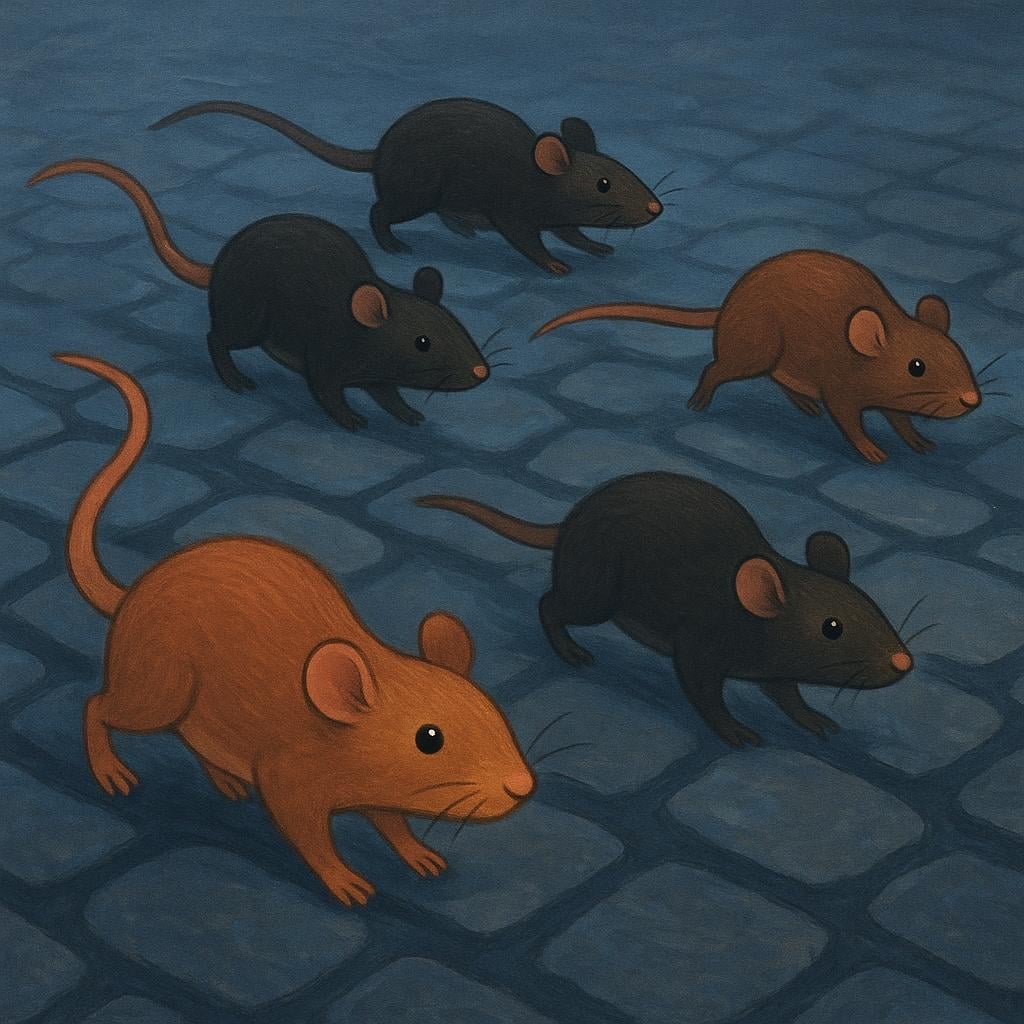
📝 In Action
La plaga de langostas destruyó toda la cosecha.
B1The plague of locusts destroyed the entire harvest.
Necesitamos un exterminador para deshacernos de esta plaga de cucarachas.
B2We need an exterminator to get rid of this cockroach infestation.
La zona rural sufrió una plaga de mosquitos este verano.
B1The rural area suffered a mosquito plague this summer.
nuisance, curse, affliction
Also: scourge
📝 In Action
La burocracia es la plaga de nuestra sociedad.
B2Bureaucracy is the curse/scourge of our society.
Ese ruido constante es una plaga para los vecinos.
C1That constant noise is a nuisance for the neighbors.
La falta de transporte público es una plaga en las afueras de la ciudad.
B2The lack of public transport is an affliction in the city outskirts.
Translate to Spanish
Words that translate to "plaga" in Spanish:
affliction→curse→infestation→nuisance→pest→pestilence→plague→scourge→✏️ Quick Practice
Quick Quiz: plaga
Question 1 of 1
Which sentence uses 'plaga' in its figurative sense?
📚 More Resources
👥 Word Family▼
🎵 Rhymes▼
📚 Etymology▼
Comes from the Latin word *plaga*, which originally meant 'a blow' or 'a wound.' Over time, this meaning extended to refer to the great suffering or affliction caused by a wound, and eventually, to a widespread destructive event like a pestilence.
First recorded: 13th century
Cognates (Related words)
💡 Master Spanish
Take your Spanish to the next level. Read 200+ illustrated and narrated Spanish stories tailored to your level with the Inklingo app!
Frequently Asked Questions
Is 'plaga' only used for insects?
'Plaga' most often refers to biological problems like insects, rodents, or crop diseases. However, it is also very commonly used to talk about large, destructive problems or annoyances, like 'la plaga del crimen' (the curse of crime).
How is 'plaga' different from 'peste'?
While both can mean 'plague,' 'peste' is usually reserved for serious infectious diseases (like the bubonic plague) or sometimes used informally to mean 'a bad smell.' 'Plaga' is the standard word for widespread animal or insect infestations and figurative problems.