How to Say "aches" in Spanish
The most common Spanish word for “aches” is “dolores” — use 'dolores' for general, often more persistent or significant physical discomfort or pains, especially in medical contexts or when referring to multiple areas.

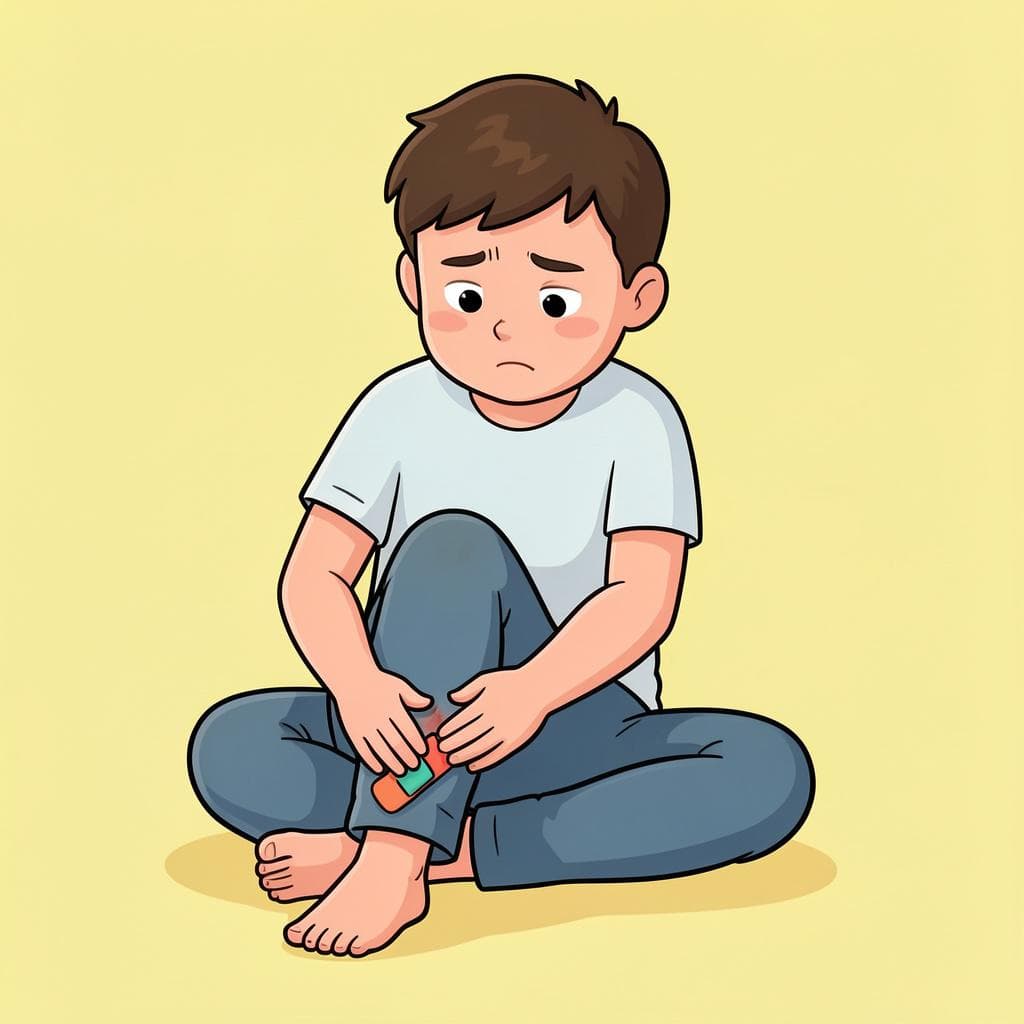
dolores
doh-LOH-rehsdoˈloɾes

Examples
Tengo dolores de cabeza todos los días.
I have headaches every day.
El doctor le preguntó si tenía dolores en las articulaciones.
The doctor asked him if he had pains in his joints.
Después de correr la maratón, mis dolores musculares duraron tres días.
After running the marathon, my muscle aches lasted three days.
Los dolores de la guerra afectaron a toda la región.
The sorrows of the war affected the entire region.
Always Plural for Aches
When talking about specific, recurring physical discomfort (like headaches or stomach aches), you almost always use the plural form 'dolores,' even if you only have one headache.
Confusing Dolor vs. Dolores
Mistake: “Tengo un dolor de cabeza. (Using singular 'dolor' for headache)”
Correction: Tengo dolores de cabeza. (Using plural 'dolores' is the most natural way to express a headache in Spanish.)
molestias
mo-LES-tyasmoˈlestjas
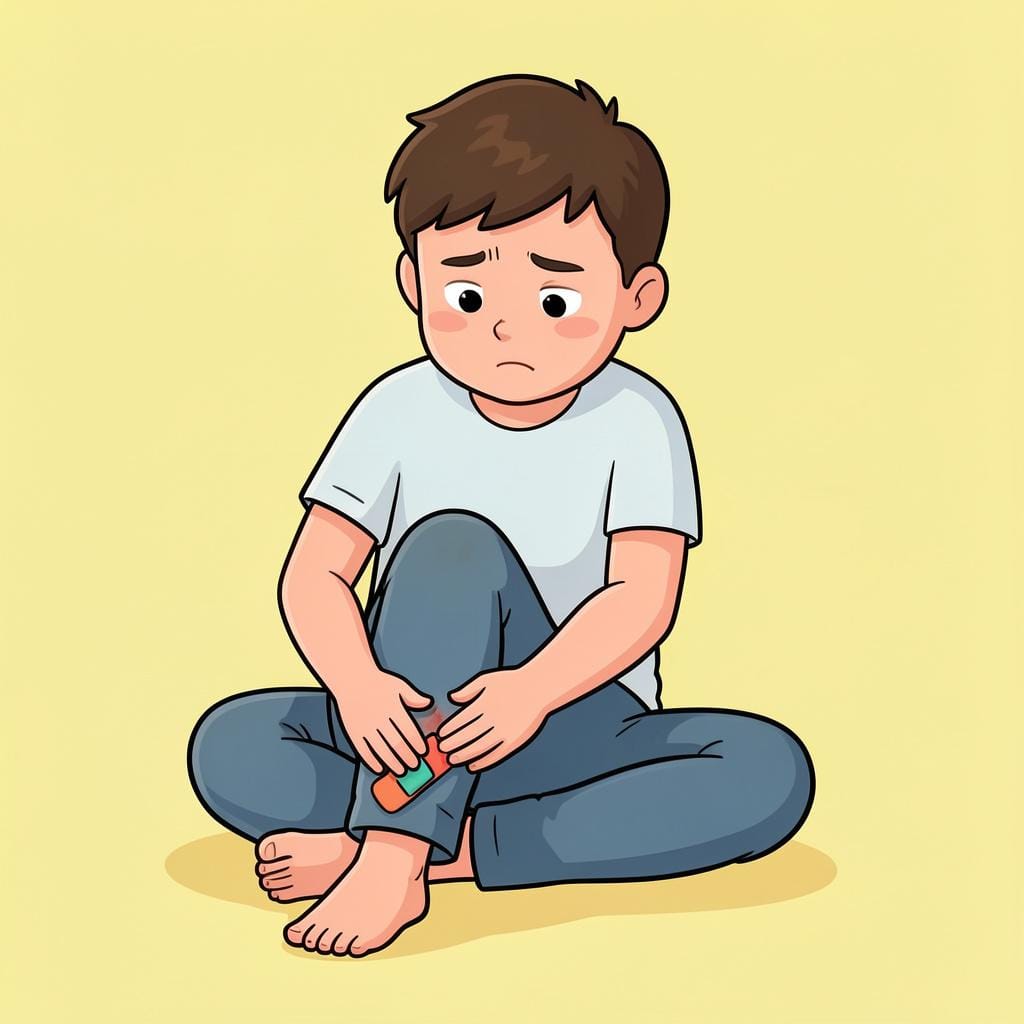
Examples
Siento unas leves molestias en el estómago después de comer.
I feel some slight discomfort in my stomach after eating.
Tengo algunas molestias en la espalda.
I have some discomfort in my back.
¿Siente molestias al tragar?
Do you feel discomfort when swallowing?
Plural for General Feeling
Even if you have one specific ache, it's very common to use the plural 'molestias' to describe a general feeling of being unwell.
Dolores vs. Molestias
Learn Spanish with Inklingo
Interactive stories, personalized learning, and more.