molestias
“molestias” means “trouble” in Spanish. It has 2 different meanings depending on context:

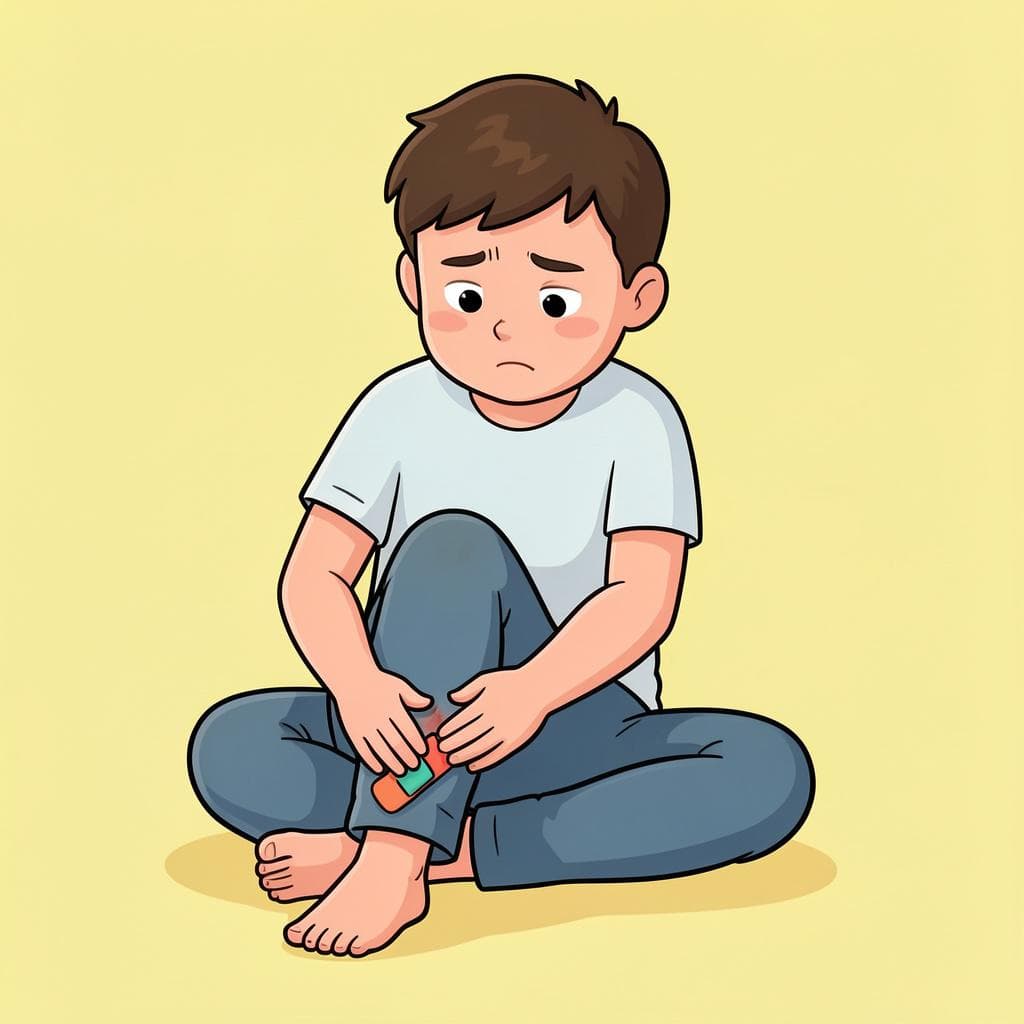
trouble, inconvenience
Also: bother, nuisance
📝 In Action
Siento mucho las molestias.
A2I am very sorry for the trouble.
Perdone las molestias, estamos en obras.
B1Sorry for the inconvenience, we are doing construction work.
No quiero causarte más molestias.
B1I don't want to cause you any more bother.
discomfort, aches
Also: ailments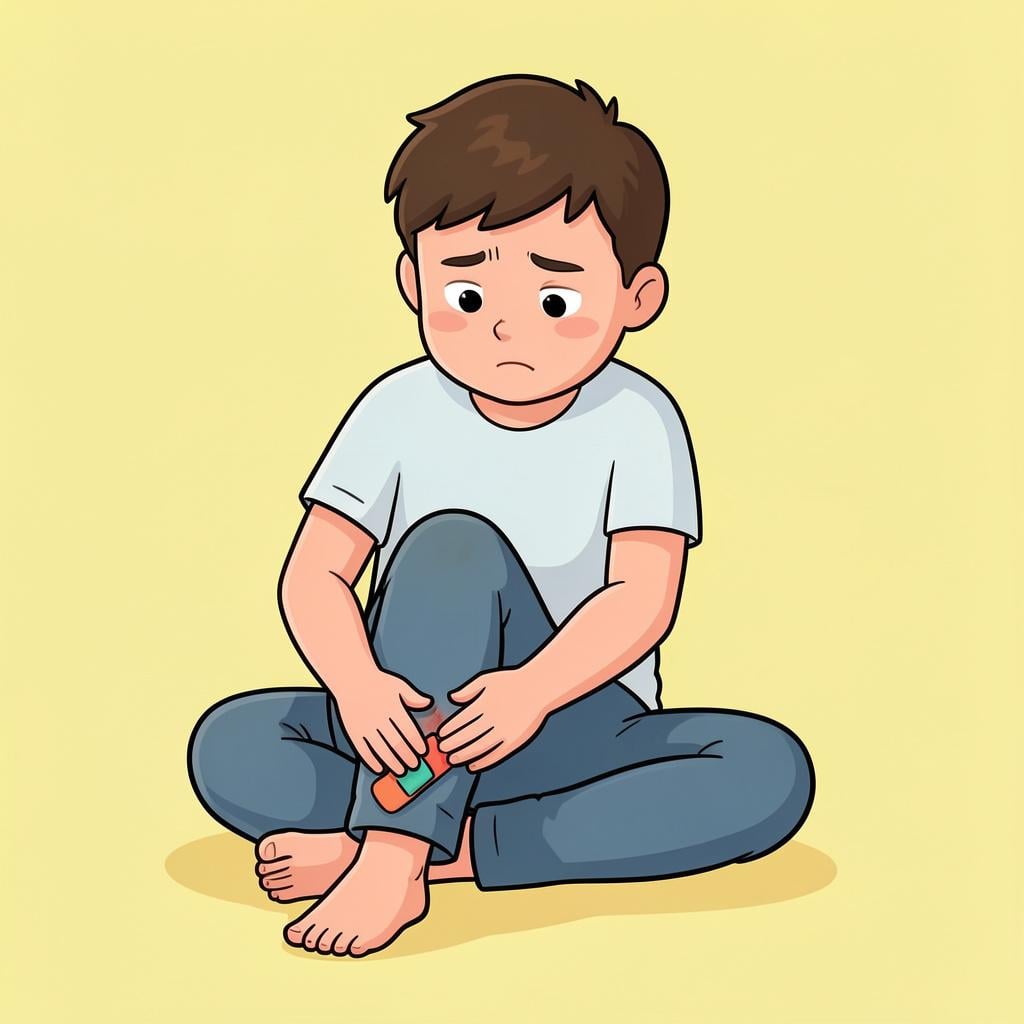
📝 In Action
Tengo algunas molestias en la espalda.
B1I have some discomfort in my back.
¿Siente molestias al tragar?
B2Do you feel discomfort when swallowing?
✏️ Quick Practice
Quick Quiz: molestias
Question 1 of 2
If you are fixing your house and making noise for the neighbors, what should you say?
📚 More Resources
👥 Word Family▼
🎵 Rhymes▼
📚 Etymology▼
From the Latin word 'molestia', which meant trouble or annoyance. It comes from 'molestus', meaning troublesome.
First recorded: 13th century
Cognates (Related words)
💡 Master Spanish
Take your Spanish to the next level. Read 200+ illustrated and narrated Spanish stories tailored to your level with the Inklingo app!
Frequently Asked Questions
Does 'molestias' mean the same as the English word 'molest'?
Not exactly. While they share an origin, 'molestias' is much milder in Spanish. It usually means 'trouble,' 'nuisance,' or 'aches.' The English word 'molest' has much more serious and criminal connotations that the Spanish word usually does not have.
Why is it usually plural?
In Spanish, many words that describe abstract feelings or states (like 'gracias' or 'felicidades') are often used in the plural. 'Molestias' follows this pattern when referring to the general 'trouble' someone experiences.