dolores
“dolores” means “pains” in Spanish. It has 2 different meanings depending on context:
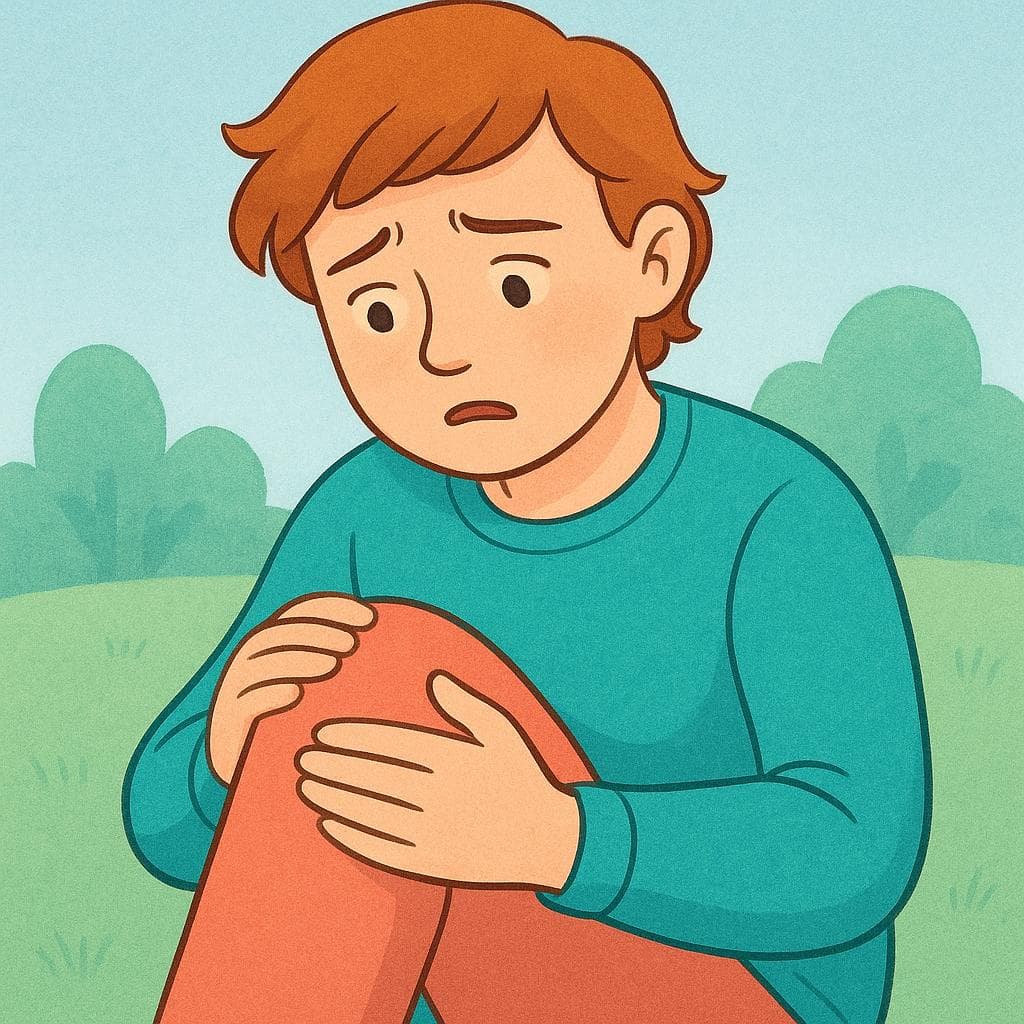

pains, sorrows
Also: aches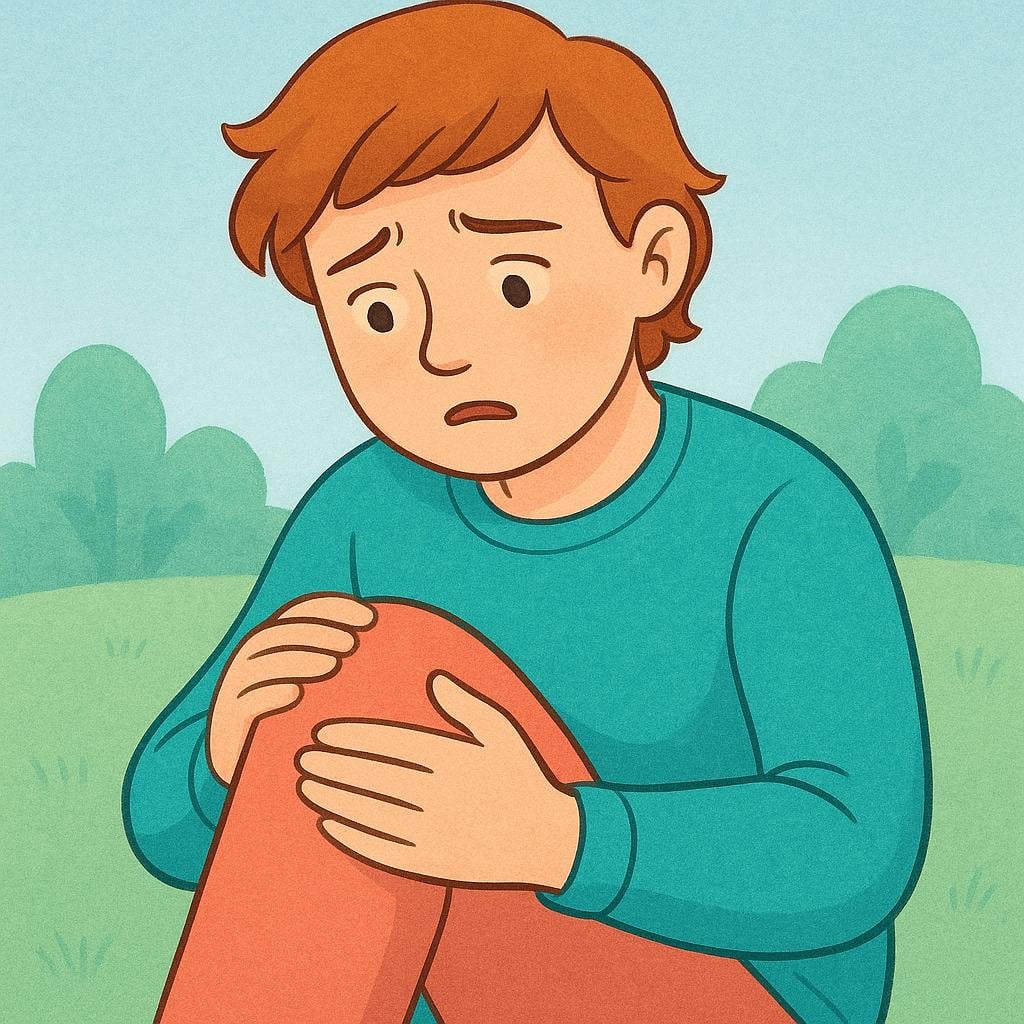
📝 In Action
El doctor le preguntó si tenía dolores en las articulaciones.
A2The doctor asked him if he had pains in his joints.
Después de correr la maratón, mis dolores musculares duraron tres días.
B1After running the marathon, my muscle aches lasted three days.
Los dolores de la guerra afectaron a toda la región.
C1The sorrows of the war affected the entire region.
Dolores
Also: Lola
📝 In Action
Mi tía se llama Dolores, pero todos la llaman Lola.
A2My aunt's name is Dolores, but everyone calls her Lola.
Dolores es un nombre tradicional en España y América Latina.
B1Dolores is a traditional name in Spain and Latin America.
✏️ Quick Practice
Quick Quiz: dolores
Question 1 of 1
Which sentence uses 'dolores' as a proper name?
📚 More Resources
📚 Etymology▼
The word comes from the Latin noun *dolor*, meaning 'grief,' 'sorrow,' or 'pain.' The female name 'Dolores' is a shortened form of the religious title *María de los Dolores* (Mary of Sorrows), referring to the Virgin Mary's suffering.
First recorded: 12th century (in Old Spanish forms)
Cognates (Related words)
💡 Master Spanish
Take your Spanish to the next level. Read 200+ illustrated and narrated Spanish stories tailored to your level with the Inklingo app!
Frequently Asked Questions
Why is 'dolores' (pains) masculine, even though it ends in 'es'?
The gender is determined by the singular form, 'el dolor' (the pain), which is masculine. When you make it plural, 'los dolores,' it remains masculine.
Is 'Lola' always short for 'Dolores'?
Yes, 'Lola' is the most common and traditional nickname for people named Dolores in Spanish-speaking cultures.