How to Say "sorrows" in Spanish
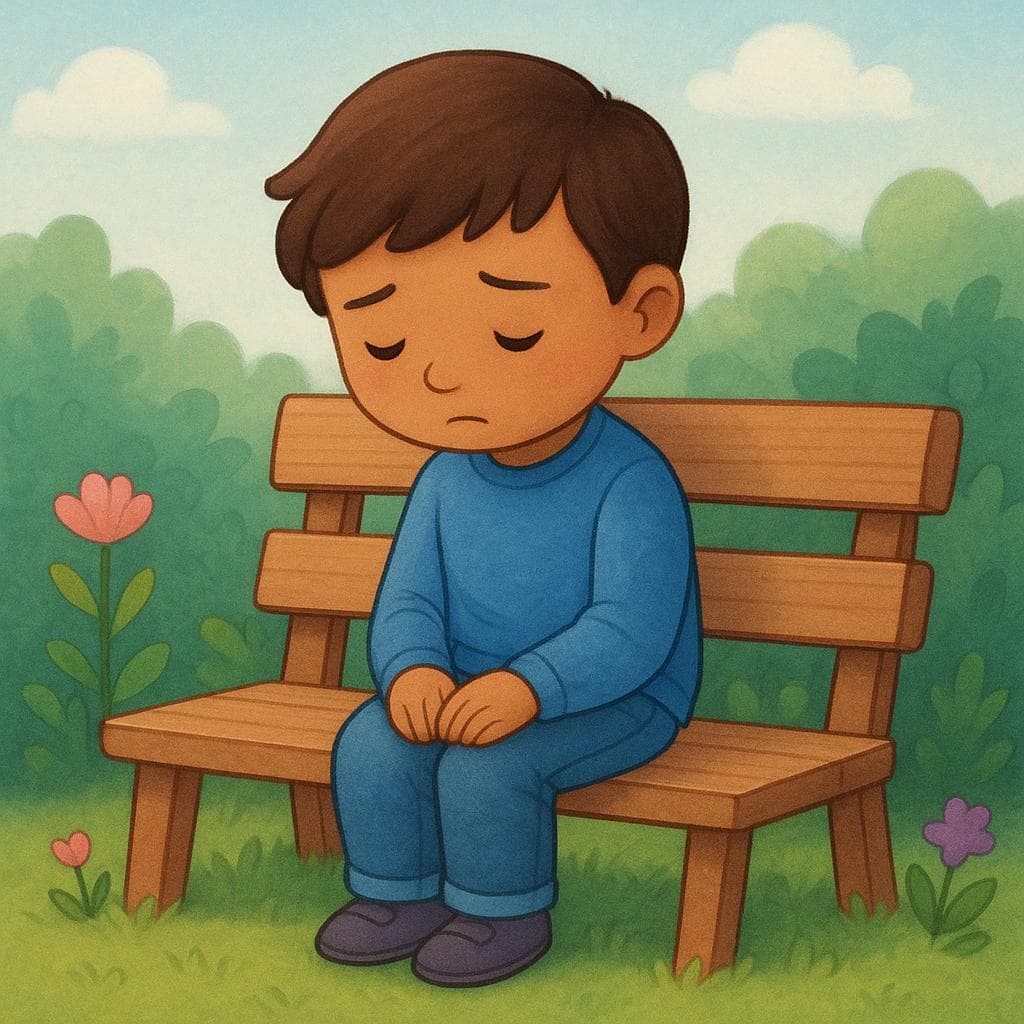
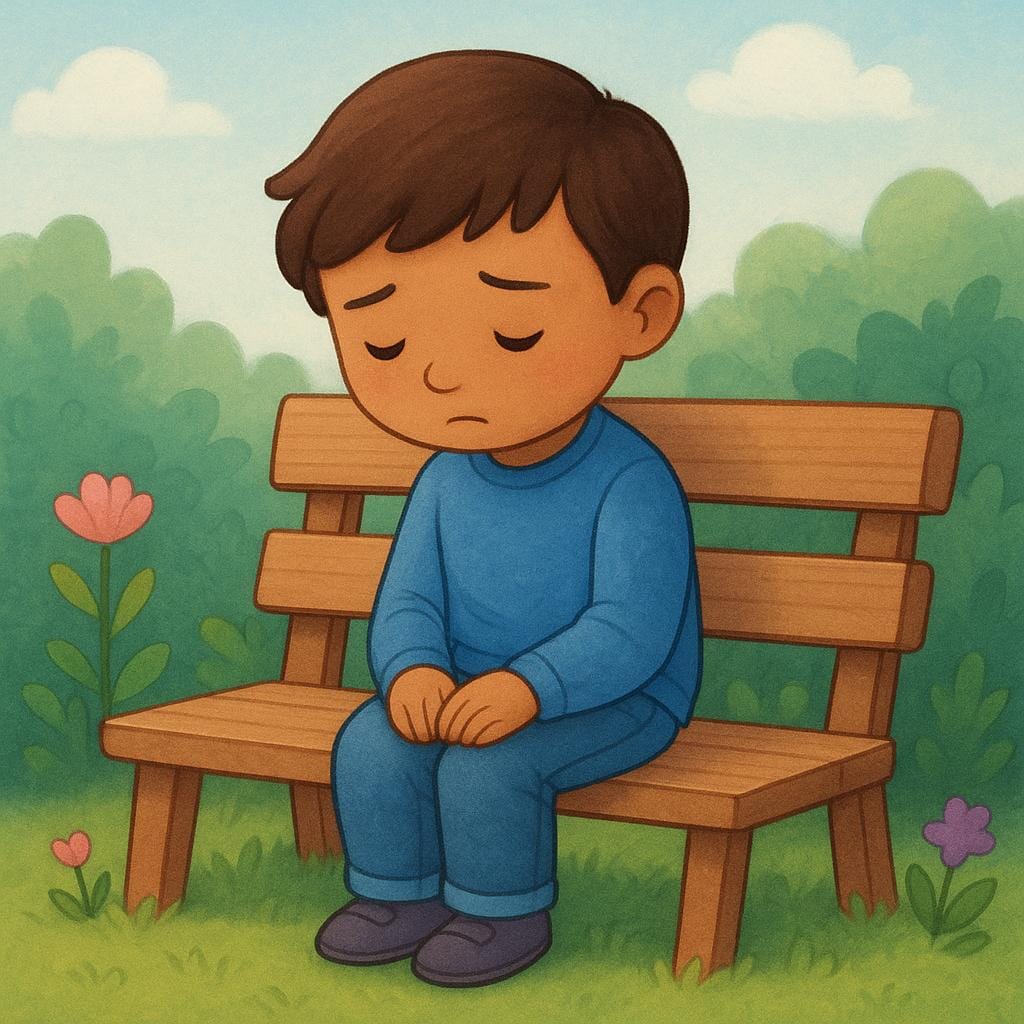
The most common Spanish word for “sorrows” is “penas” — use 'penas' for emotional pain, grief, or troubles that weigh on a person's heart or mind.

penas
PEH-nahsˈpenas
Examples
Ella canta para olvidar sus penas.
She sings to forget her sorrows.
A pesar de sus penas, siempre tiene una sonrisa.
Despite her troubles, she always has a smile.
Using 'las' with 'penas'
Since this is a feminine word and there is more than one sorrow, you should use 'las' (the) or 'unas' (some) before it.
Penas vs. Apenas
Mistake: “Using 'penas' when you mean 'hardly'.”
Correction: Use 'apenas' (one word) to mean 'hardly' or 'scarcely'. Use 'penas' (two words or plural noun) for 'sorrows'.
dolores
doh-LOH-rehsdoˈloɾes

Examples
El doctor le preguntó si tenía dolores en las articulaciones.
The doctor asked him if he had pains in his joints.
Después de correr la maratón, mis dolores musculares duraron tres días.
After running the marathon, my muscle aches lasted three days.
Los dolores de la guerra afectaron a toda la región.
The sorrows of the war affected the entire region.
Always Plural for Aches
When talking about specific, recurring physical discomfort (like headaches or stomach aches), you almost always use the plural form 'dolores,' even if you only have one headache.
Confusing Dolor vs. Dolores
Mistake: “Tengo un dolor de cabeza. (Using singular 'dolor' for headache)”
Correction: Tengo dolores de cabeza. (Using plural 'dolores' is the most natural way to express a headache in Spanish.)
Confusing emotional vs. physical pain
Related Translations
Learn Spanish with Inklingo
Interactive stories, personalized learning, and more.