How to Say "hardships" in Spanish
The most common Spanish word for “hardships” is “dificultades” — use 'dificultades' for general, severe challenges or obstacles that make a task or situation hard to achieve or manage.


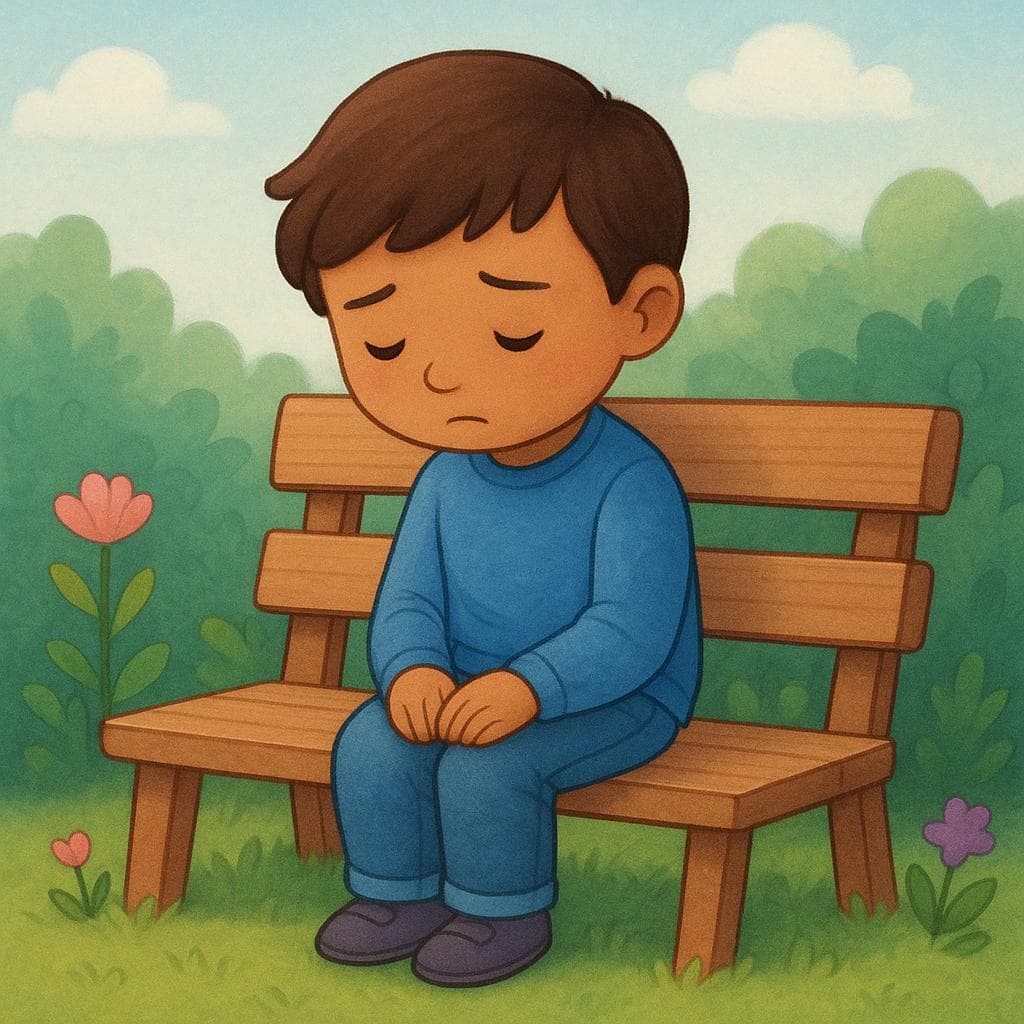
dificultades
dee-fee-kool-TAH-dehsdi.fi.kulˈta.ðes

Examples
Tuvimos muchas dificultades para conseguir las entradas.
We had many difficulties getting the tickets.
Superaron las dificultades económicas del primer año de matrimonio.
They overcame the economic difficulties of the first year of marriage.
A pesar de las dificultades técnicas, el proyecto fue un éxito.
Despite the technical problems, the project was a success.
Always Feminine and Plural
Dificultades is the plural form of the feminine word dificultad. Always use feminine words like las (the) or muchas (many) with it.
Using 'Tener' to Express Problems
When you want to say you are experiencing a problem, use the verb tener (to have): Tengo dificultades para levantarme (I have difficulties getting up).
Mixing Gender Articles
Mistake: “*Los dificultades* (Using the masculine 'los').”
Correction: Always use the feminine article *las*: *Las dificultades*.
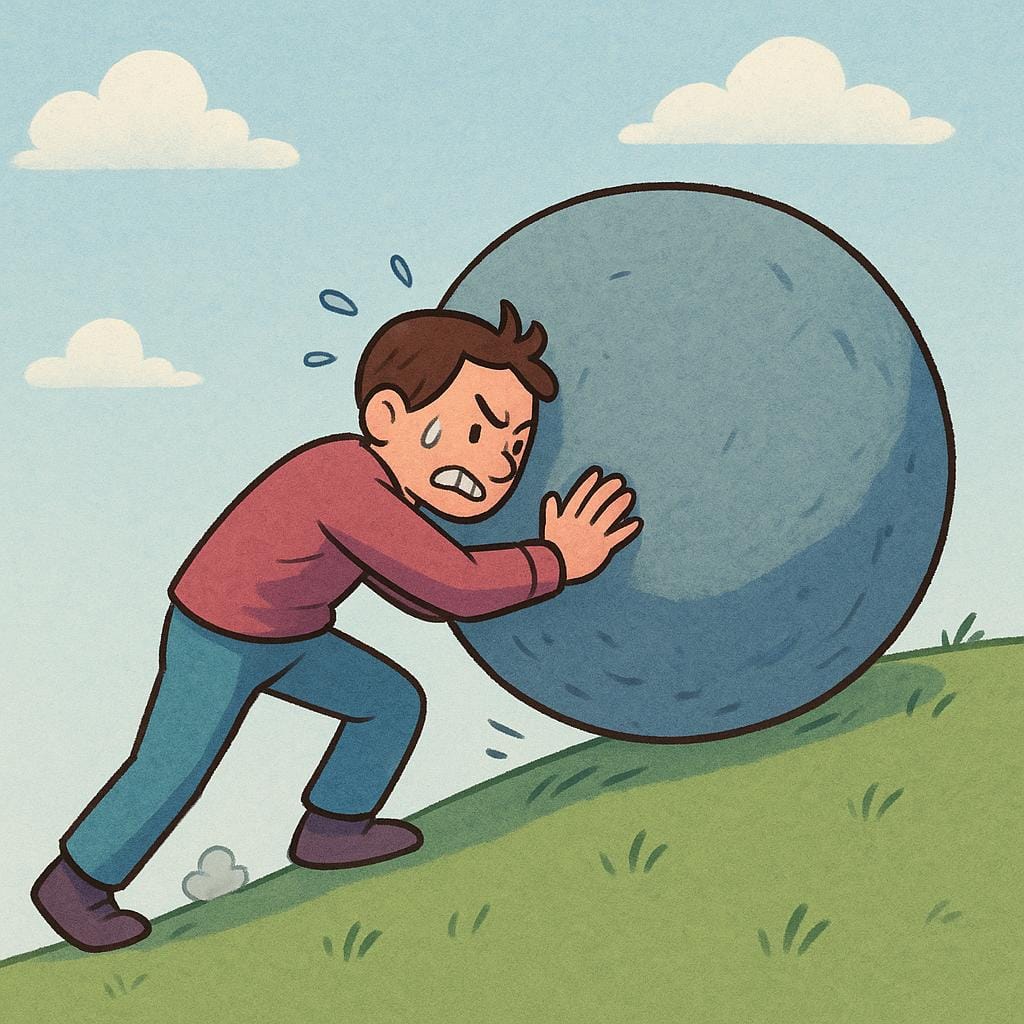
trabajos
trah-BAH-hostɾaˈβa.xos
Examples
La construcción de las pirámides requirió grandes trabajos.
The construction of the pyramids required great labors/efforts.
Sus trabajos para lograr la paz fueron reconocidos.
His efforts to achieve peace were recognized.
Formal and Figurative
This meaning is often used figuratively to describe intense mental or physical exertion, not just paid employment.
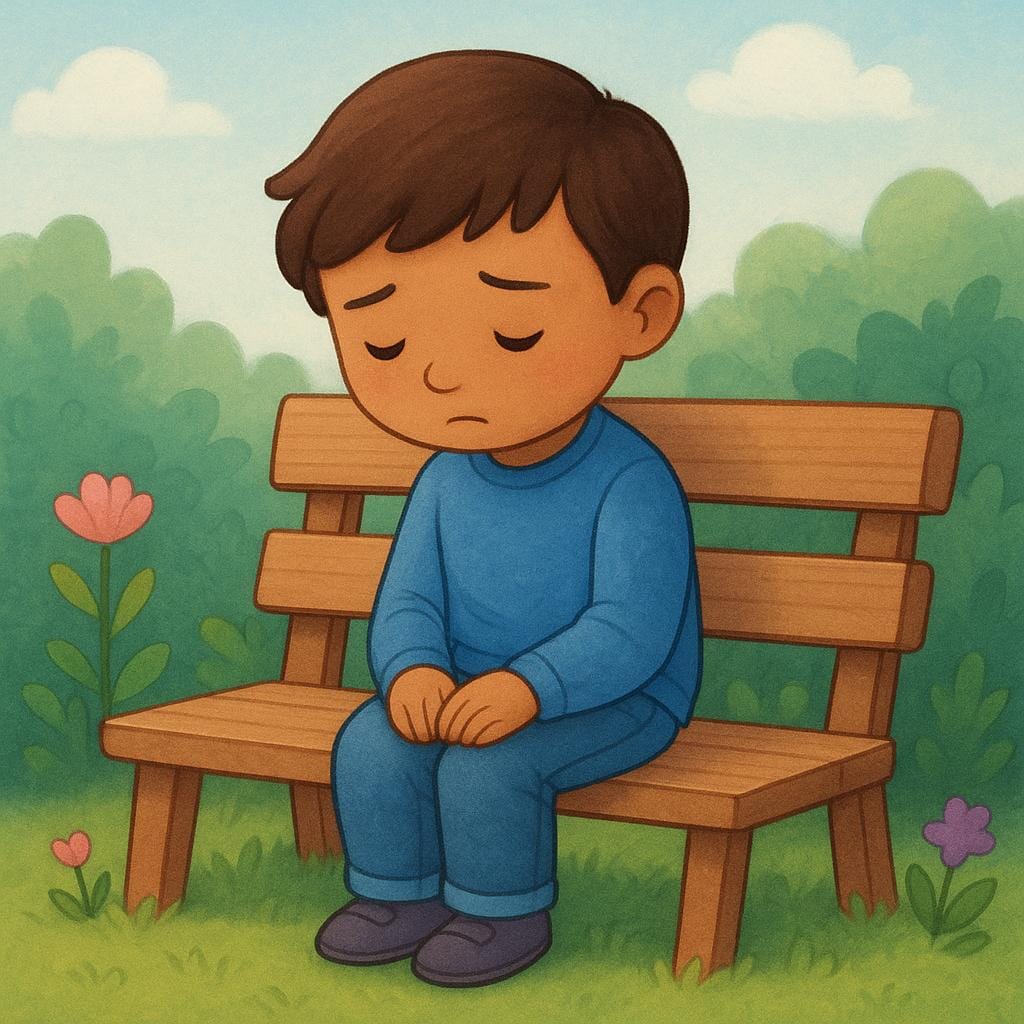
penas
PEH-nahsˈpenas
Examples
Ella canta para olvidar sus penas.
She sings to forget her sorrows.
A pesar de sus penas, siempre tiene una sonrisa.
Despite her troubles, she always has a smile.
Using 'las' with 'penas'
Since this is a feminine word and there is more than one sorrow, you should use 'las' (the) or 'unas' (some) before it.
Penas vs. Apenas
Mistake: “Using 'penas' when you mean 'hardly'.”
Correction: Use 'apenas' (one word) to mean 'hardly' or 'scarcely'. Use 'penas' (two words or plural noun) for 'sorrows'.
General Challenges vs. Emotional Suffering
Related Translations
Learn Spanish with Inklingo
Interactive stories, personalized learning, and more.