How to Say "annoyance" in Spanish
The most common Spanish word for “annoyance” is “molestia” — use 'molestia' when referring to a general inconvenience or a mild feeling of being bothered, often when asking for help or apologizing for a minor disruption.
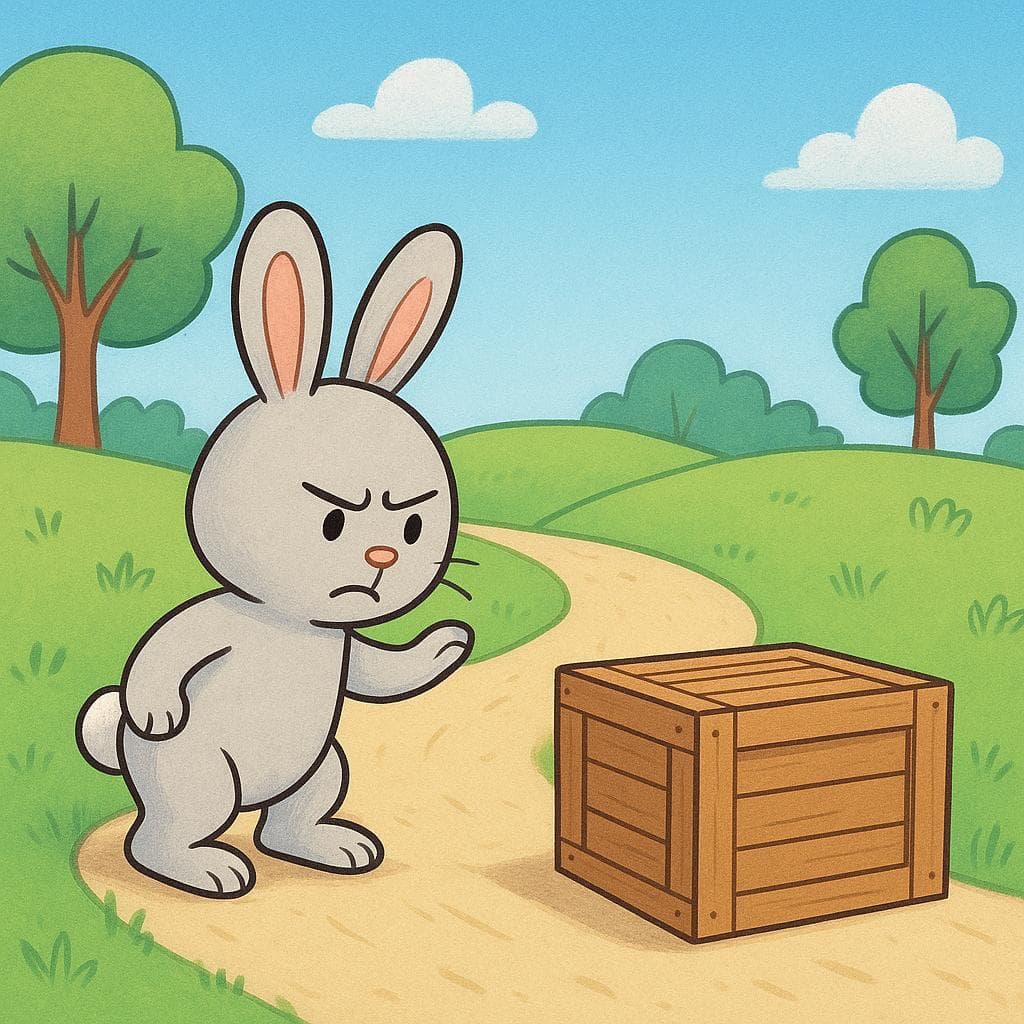

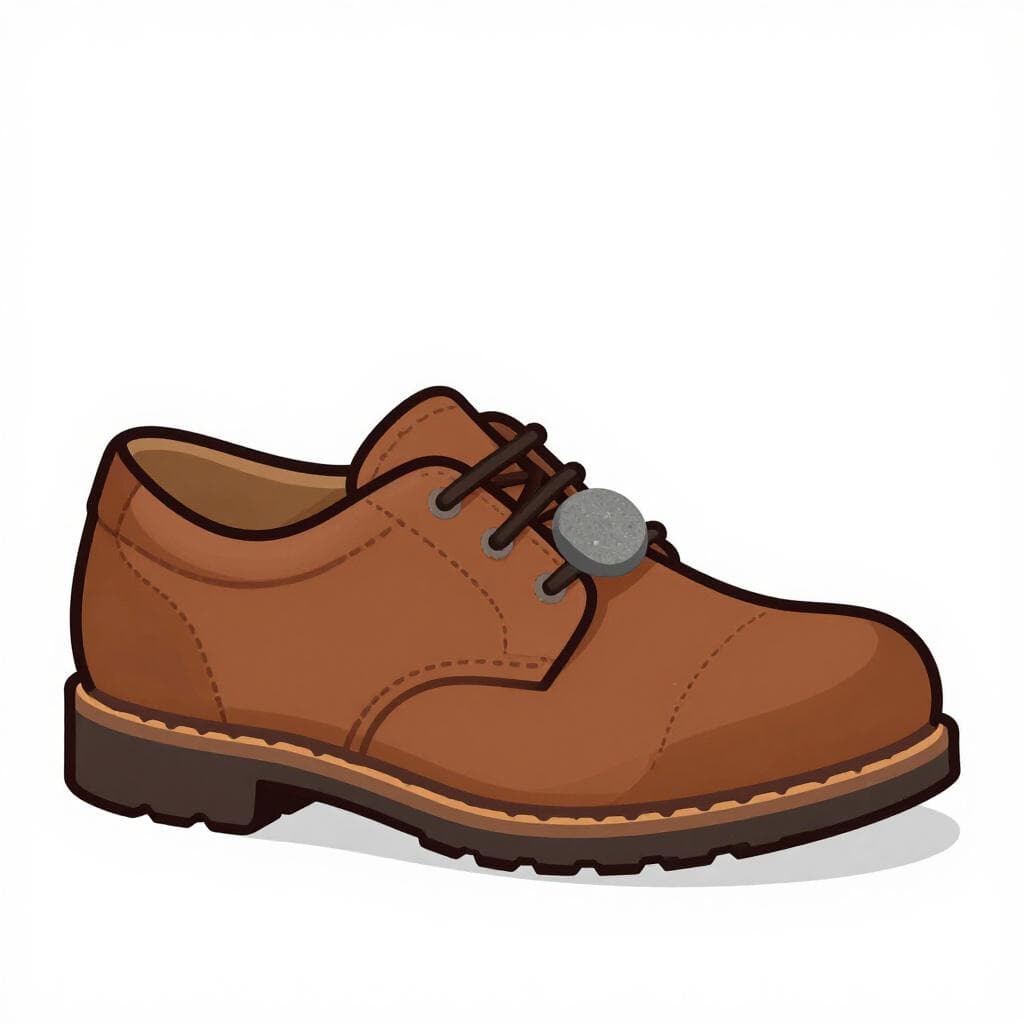


molestia
moh-LEHS-tee-ahmoˈlestja

Examples
Disculpe la molestia, pero ¿me podría ayudar con esta caja?
Excuse the inconvenience, but could you help me with this box?
La constante música alta de los vecinos es una gran molestia.
The constant loud music from the neighbors is a great annoyance.
Tomarse la molestia de llamarme fue muy amable de tu parte.
Taking the trouble (or bother) to call me was very kind of you.
Using 'Molestia' in Apologies
When apologizing for something you did that caused trouble, use the plural form: 'Siento mucho las molestias' (I am very sorry for the inconveniences/trouble).
Confusing 'Molestia' and 'Molestación'
Mistake: “Using 'molestación' when you mean 'inconvenience'.”
Correction: While 'molestación' exists, it usually refers to sexual harassment or serious badgering. For general trouble or annoyance, always use 'molestia'.
enojo
eh-NOH-hoheˈnoxo

Examples
No pude ocultar mi enojo cuando me mintieron.
I couldn't hide my anger when they lied to me.
Su constante impuntualidad me causa mucho enojo.
Their constant lateness causes me a lot of annoyance.
Hay que aprender a controlar el enojo para vivir mejor.
One must learn to control anger to live better.
Talking about feelings
When you want to say something makes you angry, use 'me da' followed by 'enojo' (It gives me anger).
Nouns vs. Adjectives
'Enojo' is the name of the feeling (the noun). If you want to describe a person who is currently angry, use 'enojado'.
Using 'Estar' with 'Enojo'
Mistake: “Estoy enojo.”
Correction: Say 'Tengo enojo' (I have anger) or 'Estoy enojado' (I am angry). You can't 'be' a noun.
fastidio
fas-TEE-dee-ohfasˈtiðjo

Examples
¡Qué fastidio! Se me rompió el teléfono.
What a nuisance! My phone broke.
Es un fastidio tener que esperar el autobús por una hora.
It's a bother having to wait for the bus for an hour.
Siento un gran fastidio cuando la gente habla alto en el cine.
I feel a great deal of annoyance when people talk loudly in the cinema.
Using 'Qué' to Complain
You can put 'Qué' before this word to create a quick exclamation when something goes wrong. It's the most natural way to say 'How annoying!' or 'What a pain!'
Describing Things vs. Feelings
When you use 'es un fastidio,' you are talking about a thing or situation that is annoying. If you want to say you are feeling annoyed, use the related word 'fastidiado' with the verb 'estar'.
Confusing the Noun and Verb
Mistake: “Me fastidio cuando llueve.”
Correction: Me fastidia cuando llueve (It annoys me) or El fastidio de la lluvia (The nuisance of the rain).
disgusto
dees-GOOS-tohdisˈɡusto

Examples
Mi abuelo se llevó un gran disgusto cuando perdió su reloj.
My grandfather was very upset when he lost his watch.
No quiero darle un disgusto a mi madre con mis notas.
I don't want to cause my mother any trouble with my grades.
Tuvimos un pequeño disgusto por un malentendido.
We had a small falling out over a misunderstanding.
False Friend Alert!
In Spanish, 'disgusto' is usually about sadness or annoyance, not 'disgust' (revulsion). If you want to say something is gross, use 'asco'.
Using 'Dar' vs 'Llevarse'
Use 'dar' when you are the cause of the upset ('I gave him an upset') and 'llevarse' when you are the one experiencing the upset ('I took/received an upset').
Confusing 'Disgusto' with 'Asco'
Mistake: “Esa comida me da disgusto.”
Correction: Esa comida me da asco.
rabia
RRAH-byahˈra.βja

Examples
Sentí tanta rabia cuando perdí el partido que rompí la raqueta.
I felt so much rage when I lost the game that I broke the racket.
Me da rabia que siempre llegues tarde.
It makes me furious that you are always late. (Literally: It gives me rage...)
Actuó por pura rabia, sin pensar en las consecuencias.
He acted out of pure fury, without thinking about the consequences.
Using 'Dar Rabia'
To express that something makes you angry, use 'dar rabia' (it gives me rage), just like you use 'gustar' (to like): 'Me da rabia esto' (This makes me angry).
Expressing the feeling
Mistake: “Saying 'Estoy rabia' (I am rage) to mean 'I am angry.'”
Correction: Use 'Tengo rabia' (I have rage) or the verb 'estar enfadado/a' (I am angry). 'Rabia' is usually an emotion you 'have' or something that 'gives' you the feeling.
Choosing between 'molestia' and 'enojo'
Related Translations
Learn Spanish with Inklingo
Interactive stories, personalized learning, and more.