How to Say "disappointment" in Spanish
The most common Spanish word for “disappointment” is “decepción” — use 'decepción' when you feel let down by an outcome that did not meet your expectations, like a bad movie or a failed project.
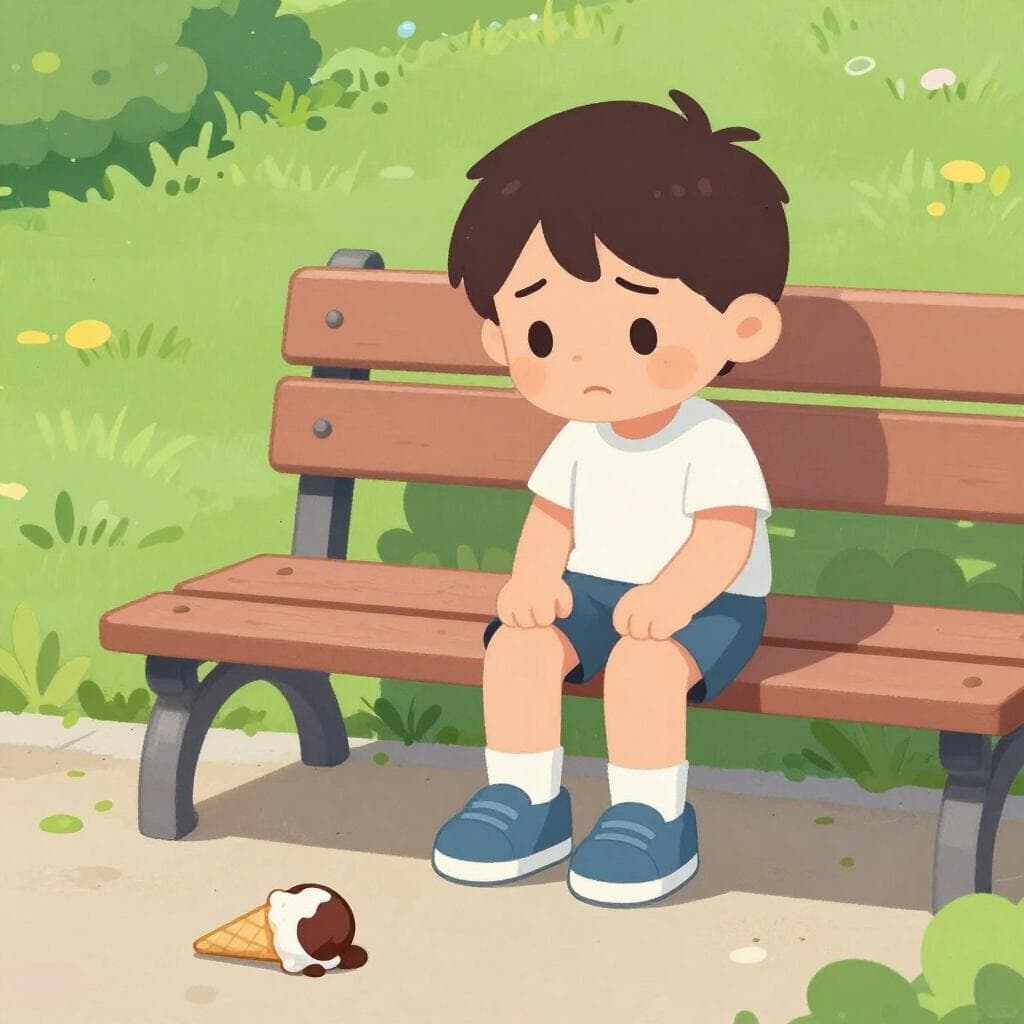
decepción
Examples
La película fue una gran decepción.
The movie was a big disappointment.
disgusto
dees-GOOS-tohdisˈɡusto

Examples
Mi abuelo se llevó un gran disgusto cuando perdió su reloj.
My grandfather was very upset when he lost his watch.
No quiero darle un disgusto a mi madre con mis notas.
I don't want to cause my mother any trouble with my grades.
Tuvimos un pequeño disgusto por un malentendido.
We had a small falling out over a misunderstanding.
False Friend Alert!
In Spanish, 'disgusto' is usually about sadness or annoyance, not 'disgust' (revulsion). If you want to say something is gross, use 'asco'.
Using 'Dar' vs 'Llevarse'
Use 'dar' when you are the cause of the upset ('I gave him an upset') and 'llevarse' when you are the one experiencing the upset ('I took/received an upset').
Confusing 'Disgusto' with 'Asco'
Mistake: “Esa comida me da disgusto.”
Correction: Esa comida me da asco.
frustración
Examples
Siento mucha frustración cuando no puedo explicar lo que pienso.
I feel a lot of frustration when I can't explain what I'm thinking.
Decepción vs. Disgusto vs. Frustración
Related Translations
Learn Spanish with Inklingo
Interactive stories, personalized learning, and more.