How to Say "frustration" in Spanish
The most common Spanish word for “frustration” is “frustración” — use 'frustración' when you feel the emotional disappointment of being unable to achieve a goal or satisfy a desire.
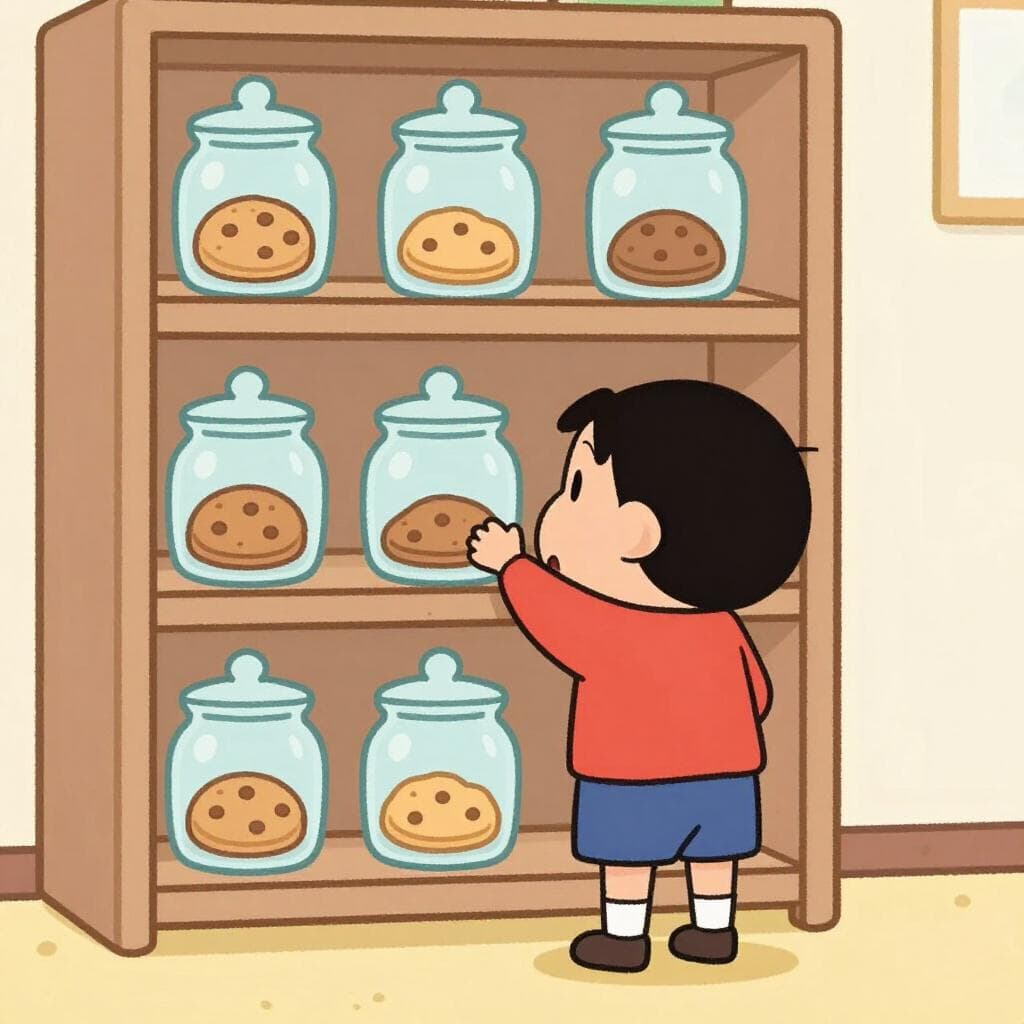

frustración
Examples
Siento mucha frustración cuando no puedo explicar lo que pienso.
I feel a lot of frustration when I can't explain what I'm thinking.
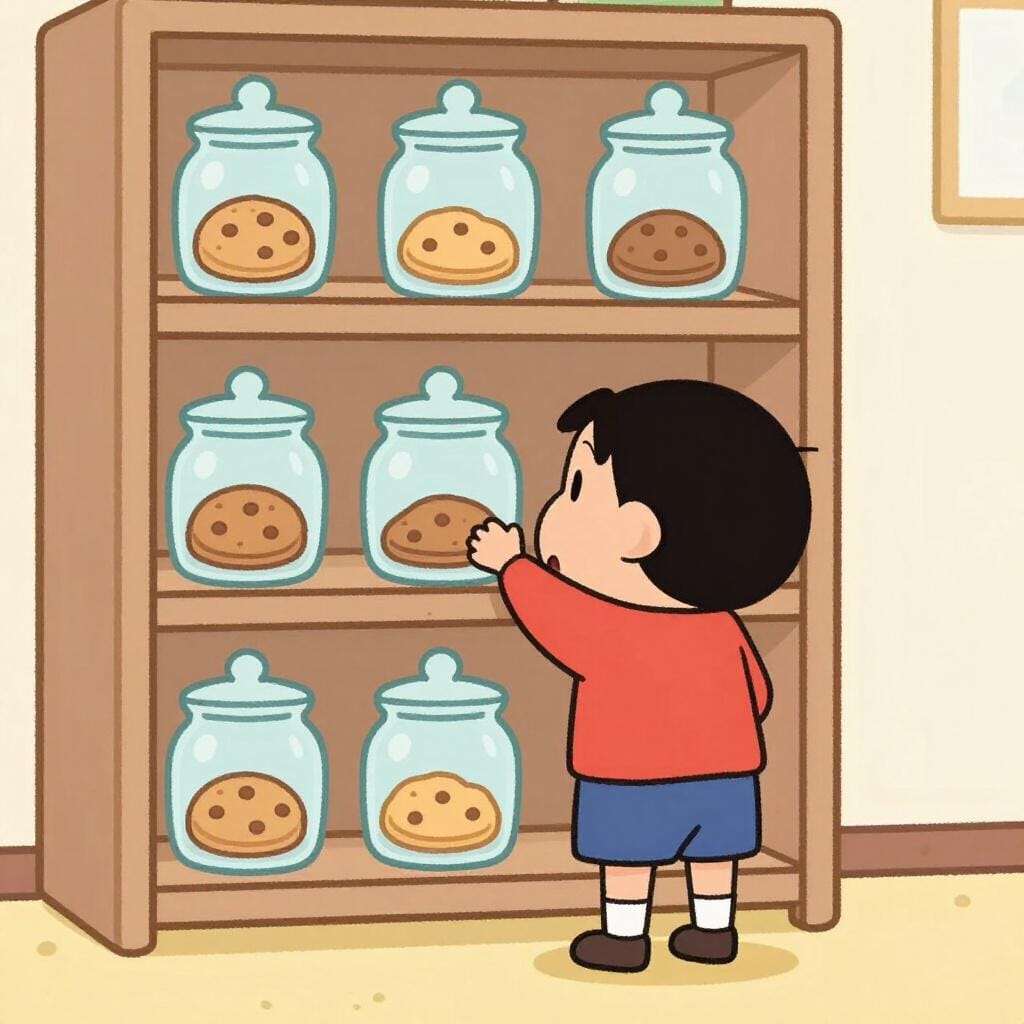
impotencia
im-po-TEN-syahimpoˈtensja
Examples
Siento una gran impotencia al ver las noticias sobre la guerra.
I feel a great sense of helplessness when I see the news about the war.
La impotencia de no poder ayudar a su familia lo ponía muy triste.
The helplessness of not being able to help his family made him very sad.
Gritó de impotencia cuando se dio cuenta de que había perdido las llaves.
He shouted in frustration because he realized he had lost his keys.
Always Feminine
Even though it ends in 'a,' remember it's always 'la impotencia.' It follows the pattern of most Spanish words ending in -encia.
Connecting Actions
To say what you are helpless to do, use the word 'de' followed by the base form of the verb (the infinitive), like 'impotencia de no poder ir' (helplessness of not being able to go).
Using 'tengo' incorrectly
Mistake: “Tengo impotente.”
Correction: Siento impotencia or Soy impotente. 'Impotencia' is the noun (the thing you feel), while 'impotente' is the adjective (what you are).
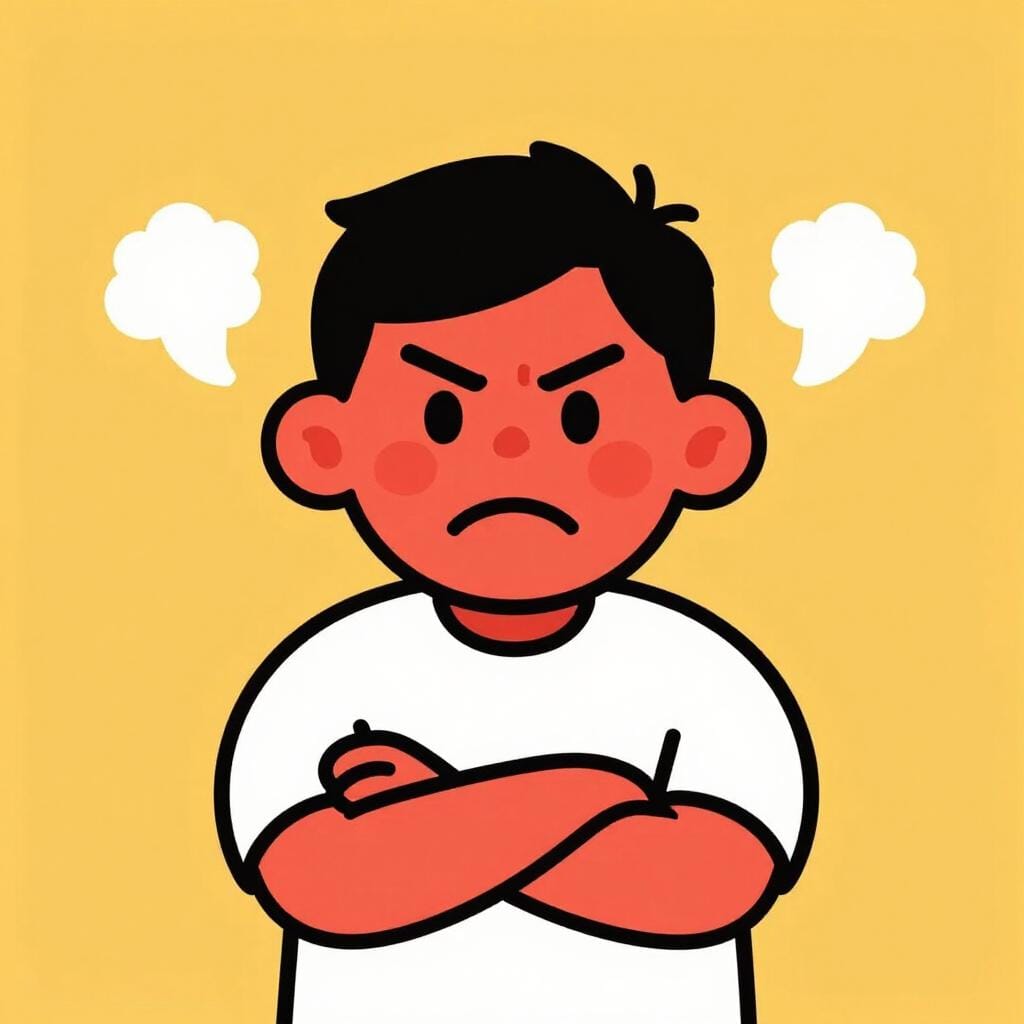
bronca
BRON-kahˈbɾoŋka
Examples
Me da bronca que siempre mienta.
It makes me angry that he always lies.
Le tengo bronca desde aquel día.
I've had a grudge against him since that day.
¡Qué bronca! Se me rompió el teléfono.
How frustrating! My phone broke.
The 'Gustar' Pattern
When using 'dar bronca' (to make angry), the sentence structure is like 'gustar.' You say 'Me da bronca...' (To me, it gives anger...).
Expressing Feelings
When followed by 'que' (that), use the special 'wishes and feelings' verb form: 'Me da bronca que él NO VENGA' (It angers me that he isn't coming).
Using the wrong verb
Mistake: “Yo soy bronca.”
Correction: Tengo bronca. (Anger is something you have or feel, not something you are).
Frustración vs. Impotencia
Related Translations
Learn Spanish with Inklingo
Interactive stories, personalized learning, and more.