How to Say "anger" in Spanish
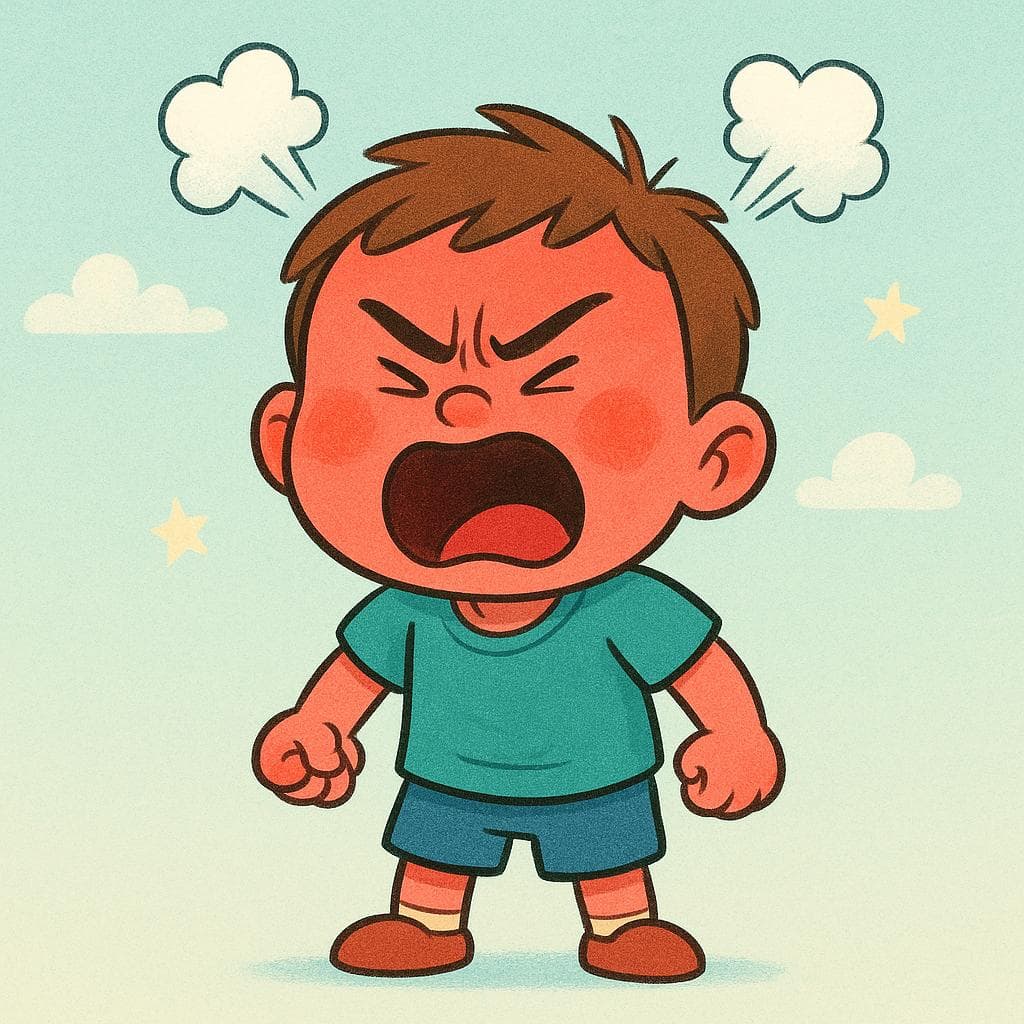
The most common Spanish word for “anger” is “enojo” — use this for a general, everyday feeling of displeasure or annoyance, often when you've been treated unfairly or something is bothersome.




enojo
eh-NOH-hoheˈnoxo

Examples
No pude ocultar mi enojo cuando me mintieron.
I couldn't hide my anger when they lied to me.
Su constante impuntualidad me causa mucho enojo.
Their constant lateness causes me a lot of annoyance.
Hay que aprender a controlar el enojo para vivir mejor.
One must learn to control anger to live better.
Talking about feelings
When you want to say something makes you angry, use 'me da' followed by 'enojo' (It gives me anger).
Nouns vs. Adjectives
'Enojo' is the name of the feeling (the noun). If you want to describe a person who is currently angry, use 'enojado'.
Using 'Estar' with 'Enojo'
Mistake: “Estoy enojo.”
Correction: Say 'Tengo enojo' (I have anger) or 'Estoy enojado' (I am angry). You can't 'be' a noun.
coraje
koh-RAH-hehkoˈɾa.xe

Examples
Le dio mucho coraje que su equipo perdiera el partido.
It made him very angry that his team lost the game.
El niño gritó con coraje cuando no le dieron el dulce.
The boy yelled in anger when they didn't give him the candy.
Using 'Dar Coraje'
To say 'something makes me angry,' use the phrase 'dar coraje,' often structured like 'gustar': 'Me da coraje que...' (It gives me anger that...).
Verb Choice
Mistake: “Estoy coraje. (I am anger.)”
Correction: Use the verb 'tener' (to have) or 'sentir' (to feel): 'Tengo/Siento coraje.' (I have/feel anger.)
furia
FOO-ree-ahˈfuɾja

Examples
Sintió tanta furia que rompió el vaso sin querer.
She felt so much fury that she broke the glass accidentally.
Su furia era visible en su rostro y en sus gestos.
His rage was visible on his face and in his gestures.
Feminine Noun
Remember that 'furia' is always a feminine word, so you must use feminine articles and adjectives with it (e.g., 'la furia', 'una furia terrible').
Using 'el' instead of 'la'
Mistake: “El furia.”
Correction: La furia. (This noun is feminine even though it ends in '-a', like many Spanish nouns for strong emotions.)
ira
ee-rahˈi.ɾa
Examples
Sentí una gran ira cuando descubrí la mentira.
I felt great anger when I discovered the lie.
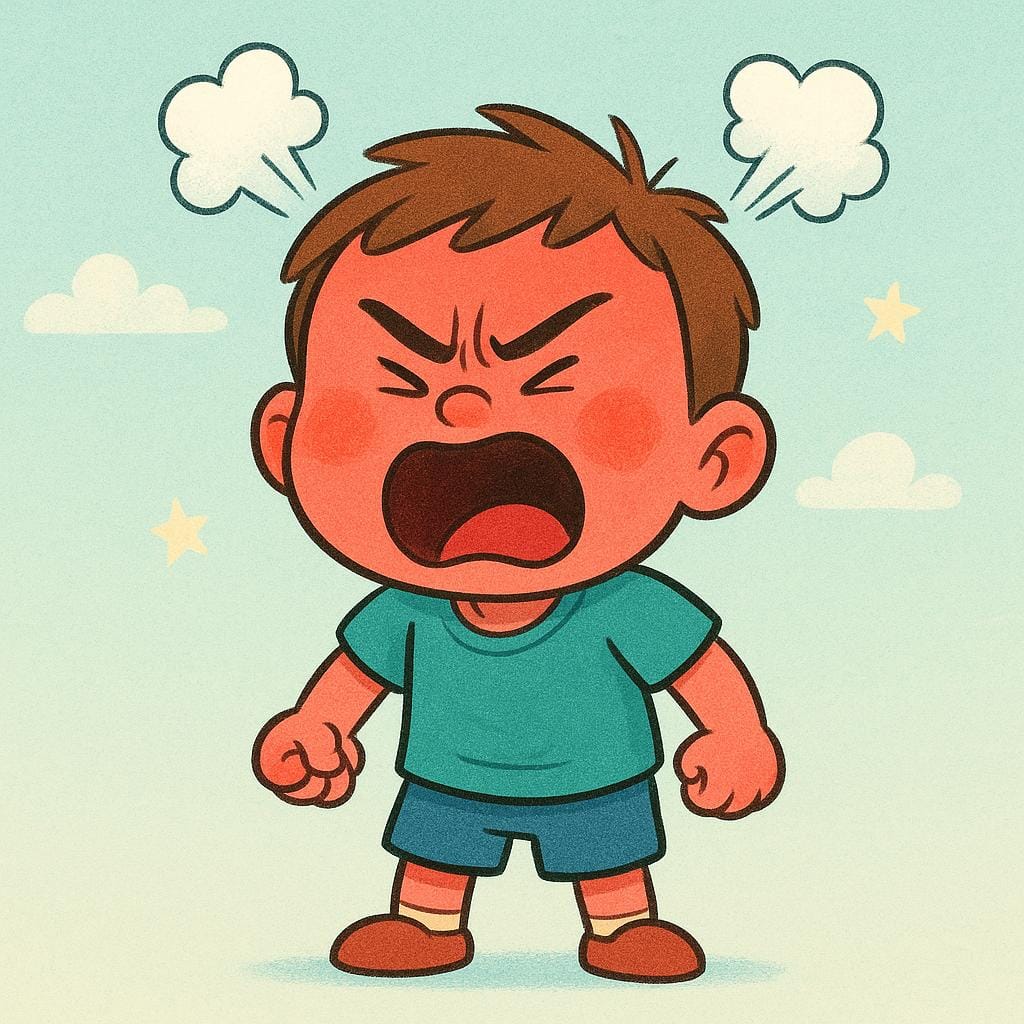
Su rostro se puso rojo de ira.
His face turned red with rage.
La ira es una emoción difícil de controlar si no se maneja a tiempo.
Anger is a difficult emotion to control if it is not handled in time.
Gender and Articles
Since 'ira' is a feminine word, it always uses the feminine article 'la' (la ira). Unlike words like 'agua' or 'águila' which use 'el' for sound reasons, 'ira' is standard.
Intensity Confusion
Mistake: “Using 'ira' for mild annoyance.”
Correction: 'Ira' means intense fury or wrath. For everyday annoyance, use 'enojo' or 'molestia'.
cólera
Examples
No dejes que la cólera te controle.
Don't let anger control you.
bronca
BRON-kahˈbɾoŋka
Examples
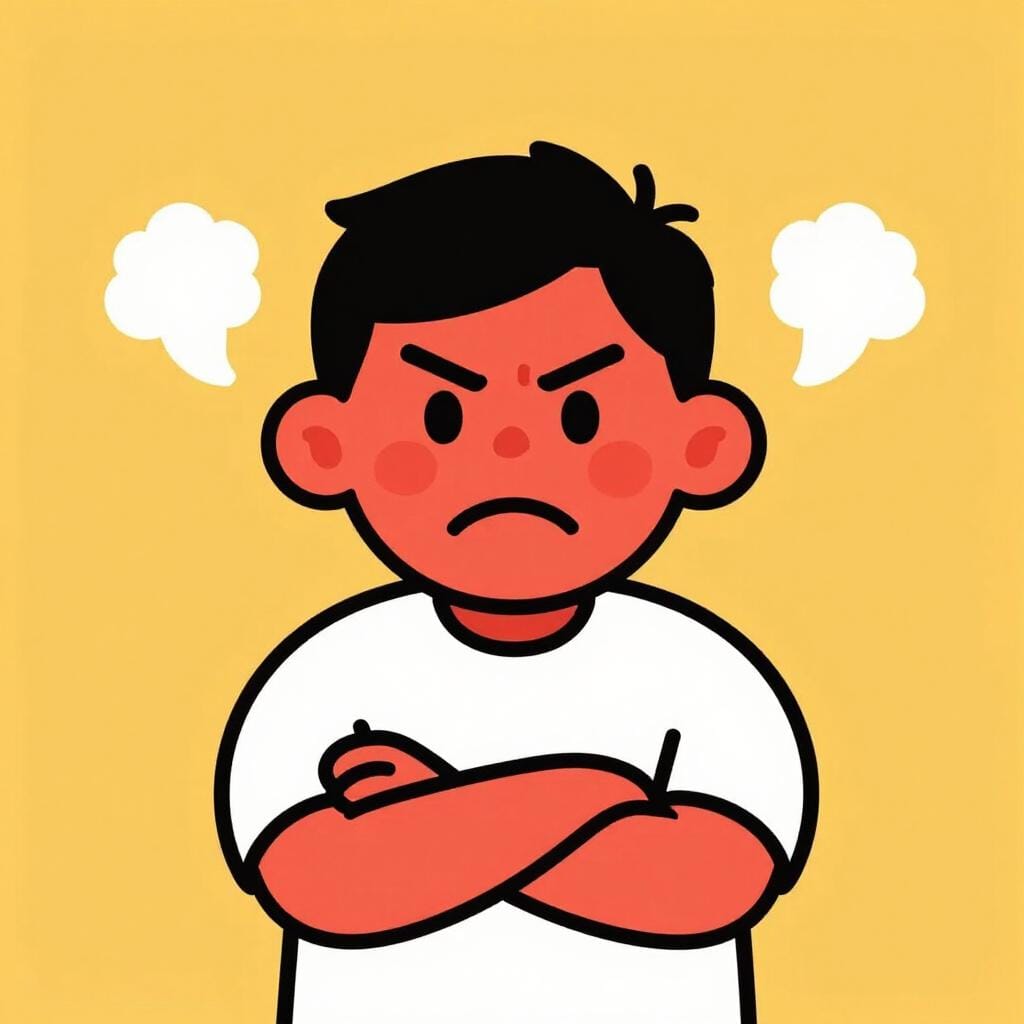
Me da bronca que siempre mienta.
It makes me angry that he always lies.
Le tengo bronca desde aquel día.
I've had a grudge against him since that day.
¡Qué bronca! Se me rompió el teléfono.
How frustrating! My phone broke.
The 'Gustar' Pattern
When using 'dar bronca' (to make angry), the sentence structure is like 'gustar.' You say 'Me da bronca...' (To me, it gives anger...).
Expressing Feelings
When followed by 'que' (that), use the special 'wishes and feelings' verb form: 'Me da bronca que él NO VENGA' (It angers me that he isn't coming).
Using the wrong verb
Mistake: “Yo soy bronca.”
Correction: Tengo bronca. (Anger is something you have or feel, not something you are).
Choosing Between General vs. Intense Anger
Related Translations
Learn Spanish with Inklingo
Interactive stories, personalized learning, and more.