How to Say "force" in Spanish
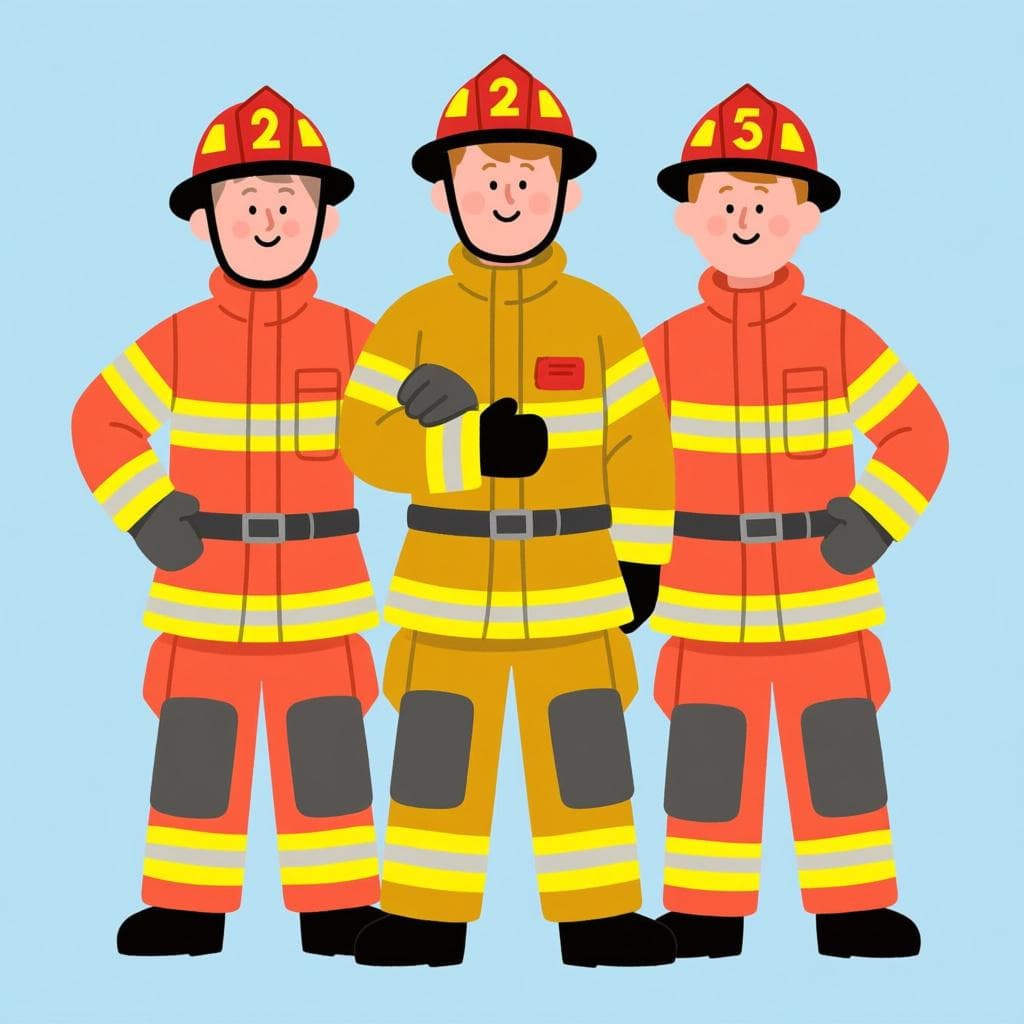
The most common Spanish word for “force” is “fuerza” — use 'fuerza' for general physical power, abstract influence, or military/police groups.




fuerza
FWER-sahˈfweɾ.θa

Examples
No tengo la fuerza para levantar esa caja.
I don't have the strength to lift that box.
El viento soplaba con mucha fuerza.
The wind was blowing with a lot of force.
Para abrirlo, tienes que hacer fuerza.
To open it, you have to use force.
La fuerza de su argumento convenció a todos.
The force of his argument convinced everyone.
Always Feminine
Fuerza is a feminine word, so you'll always pair it with feminine words like 'la', 'una', 'mucha', or 'poca'. For example, 'la fuerza' (the strength) or 'mucha fuerza' (a lot of strength).
Usually Plural
When talking about military or police groups, you'll almost always see this word in its plural form: 'las fuerzas'.
fuerza
FWER-sahˈfweɾ.θa
Examples
La fuerza de su argumento convenció a todos.
The force of his argument convinced everyone.
No tengo la fuerza para levantar esa caja.
I don't have the strength to lift that box.
El viento soplaba con mucha fuerza.
The wind was blowing with a lot of force.
Para abrirlo, tienes que hacer fuerza.
To open it, you have to use force.
Always Feminine
Fuerza is a feminine word, so you'll always pair it with feminine words like 'la', 'una', 'mucha', or 'poca'. For example, 'la fuerza' (the strength) or 'mucha fuerza' (a lot of strength).
Usually Plural
When talking about military or police groups, you'll almost always see this word in its plural form: 'las fuerzas'.
fuerza
FWER-sahˈfweɾ.θa
Examples
Las fuerzas armadas protegen el país.
The armed forces protect the country.
No tengo la fuerza para levantar esa caja.
I don't have the strength to lift that box.
El viento soplaba con mucha fuerza.
The wind was blowing with a lot of force.
Para abrirlo, tienes que hacer fuerza.
To open it, you have to use force.
Always Feminine
Fuerza is a feminine word, so you'll always pair it with feminine words like 'la', 'una', 'mucha', or 'poca'. For example, 'la fuerza' (the strength) or 'mucha fuerza' (a lot of strength).
Usually Plural
When talking about military or police groups, you'll almost always see this word in its plural form: 'las fuerzas'.
cuerpo
KWER-po'kweɾpo
Examples
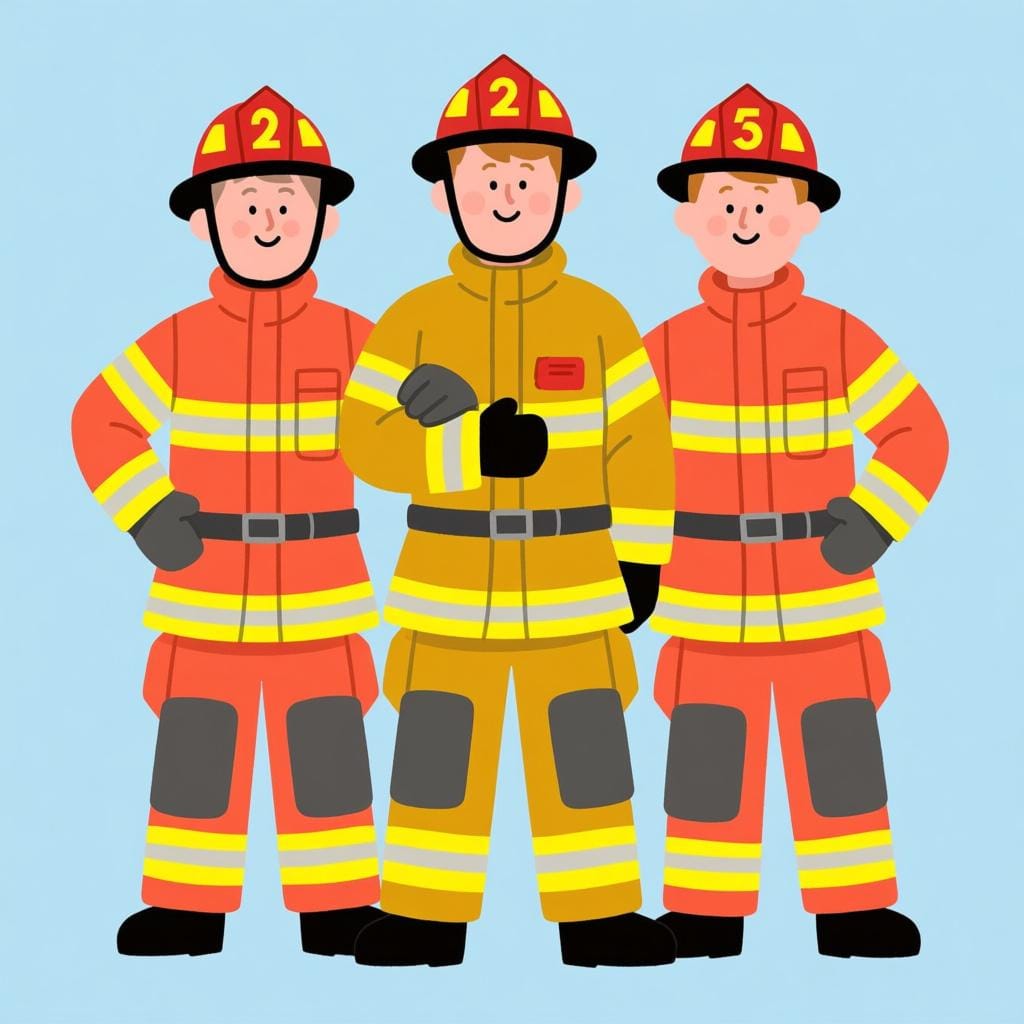
El cuerpo de bomberos respondió a la emergencia.
The fire department (fire corps) responded to the emergency.
El cuerpo docente se reunió para discutir los nuevos planes.
The teaching staff (faculty body) met to discuss the new plans.
vigor
bee-GOHRbiˈɡoɾ

Examples
El abuelo todavía camina con mucho vigor cada mañana.
Grandpa still walks with a lot of strength every morning.
La nueva ley de tráfico entrará en vigor el próximo mes.
The new traffic law will come into force next month.
Debemos defender este proyecto con vigor para convencer al jefe.
We must defend this project with energy to convince the boss.
Always Masculine
Even though it ends in 'r', 'vigor' is always a masculine noun. You must use masculine markers like 'el vigor' or 'mucho vigor'.
Using 'en vigor' without an article
When talking about laws or rules, we say 'en vigor' (in effect). You don't need to add 'el' in the middle; saying 'en el vigor' would sound unnatural to native speakers.
Confusion with 'vigencia'
Mistake: “La ley no tiene vigor.”
Correction: La ley no está en vigor / La ley no tiene vigencia.
violencia
byo-LEN-syabjoˈlensja

Examples
La policía actuó con violencia para dispersar la manifestación.
The police acted with violence to disperse the demonstration.
Hay que combatir la violencia de género con educación y leyes estrictas.
Gender violence must be fought with education and strict laws.
La violencia de la tormenta causó daños severos en la costa.
The intensity of the storm caused severe damage on the coast.
Feminine Noun Rule
Even though it ends in '-a', remember 'violencia' is a feminine noun, so you must use the feminine article 'la' or adjectives that end in '-a' with it.
Gender Error
Mistake: “El violencia”
Correction: La violencia. Remember abstract nouns ending in '-cia' are almost always feminine.
furia
FOO-ree-ahˈfuɾja

Examples
La furia del huracán dejó la costa devastada.
The force (or fury) of the hurricane left the coast devastated.
El atleta corrió con furia para alcanzar la meta.
The athlete ran with intense speed/intensity to reach the finish line.
Figurative Use
When applied to nature (wind, sea, storm), 'furia' emphasizes the destructive and uncontrolled power, similar to how we use 'fury' in English literary contexts.
Fuerza vs. Cuerpo
Related Translations
Learn Spanish with Inklingo
Interactive stories, personalized learning, and more.