How to Say "might" in Spanish
The most common Spanish word for “might” is “poder” — use this when 'might' indicates a general possibility or a less certain future event, similar to 'it may rain'.

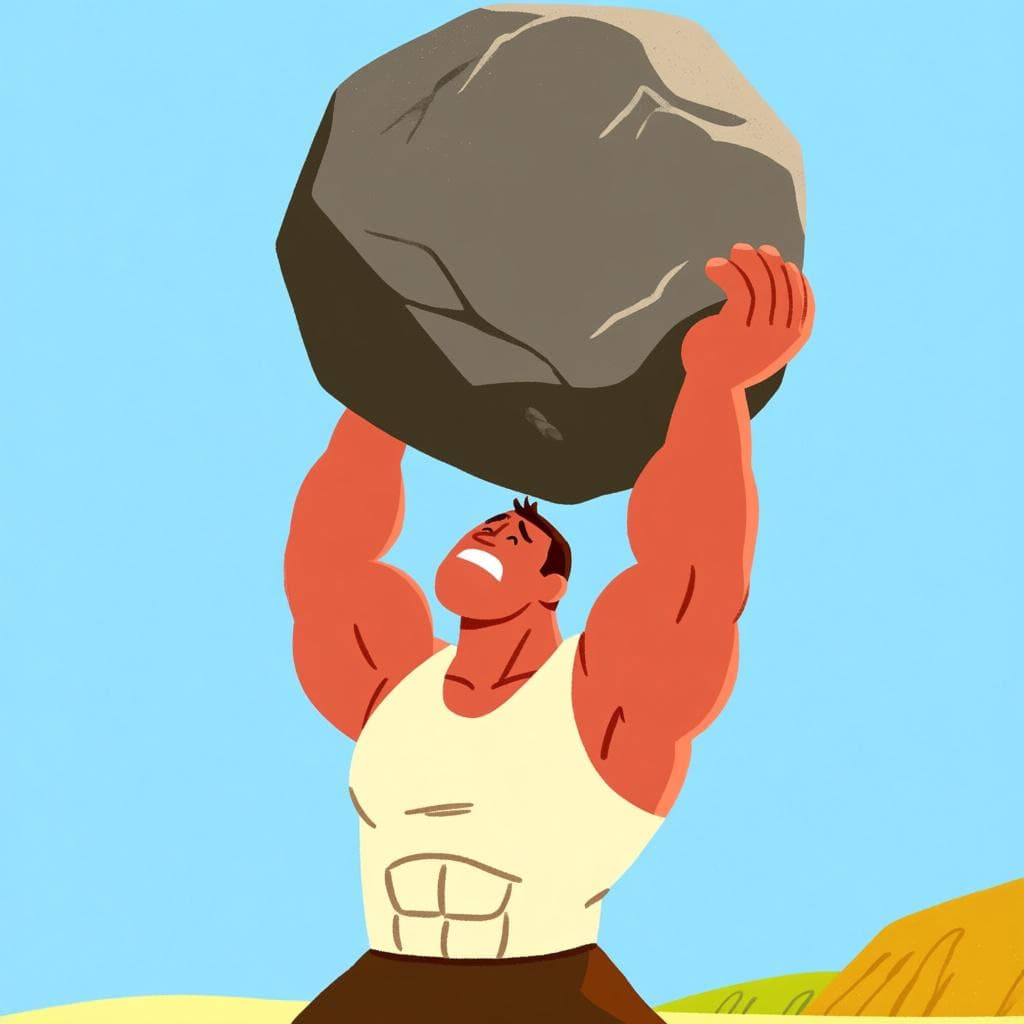

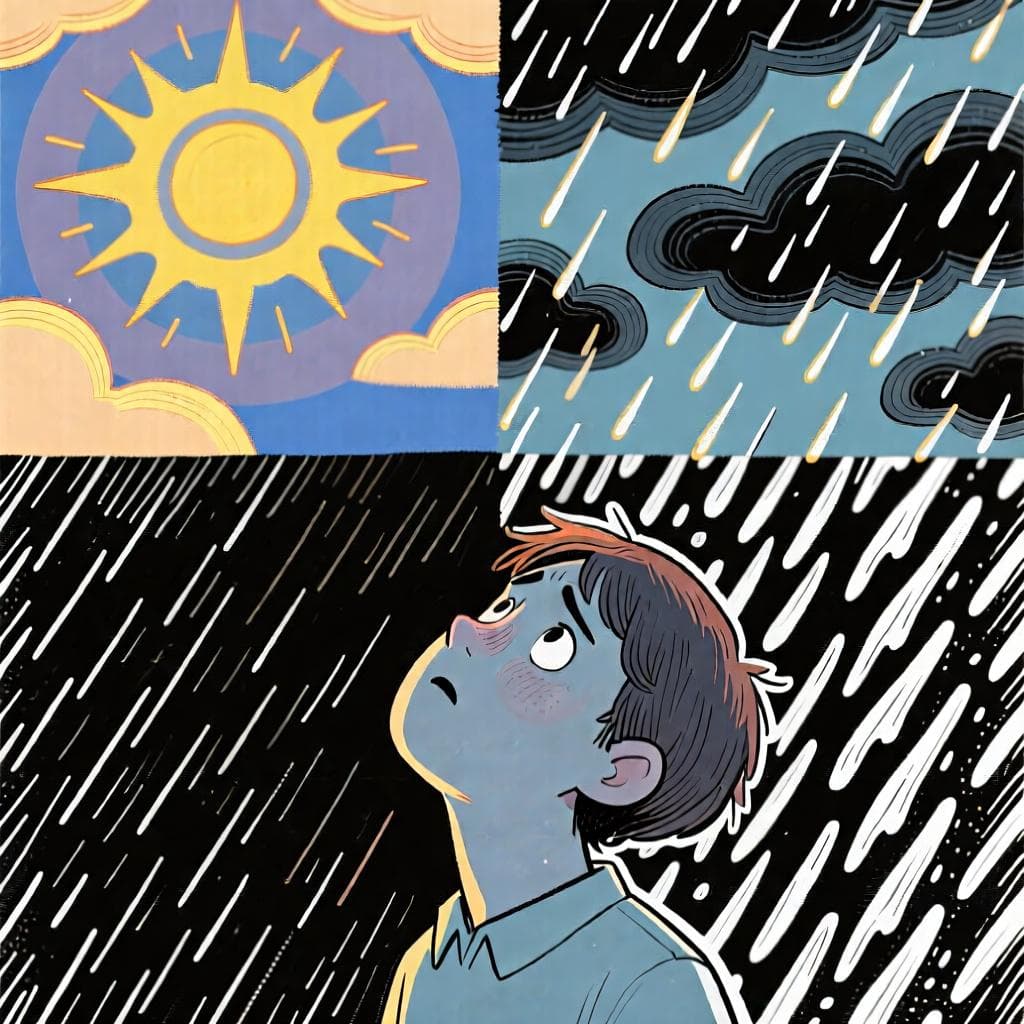
poder
poh-DEHRpoˈðeɾ

Examples
Puede llover más tarde.
It might rain later.
El tren puede llegar con retraso.
The train could arrive late.
Puede que no sea la mejor idea.
It may not be the best idea.
Expressing Uncertainty
When you say 'Puede que...' ('It's possible that...'), the next verb often needs to change into a special form for uncertainty (the subjunctive). For example, 'Puede que venga' ('He might come').
podría
Examples
Mira esas nubes, podría llover más tarde.
Look at those clouds, it might rain later.
fuerza
FWER-sahˈfweɾ.θa
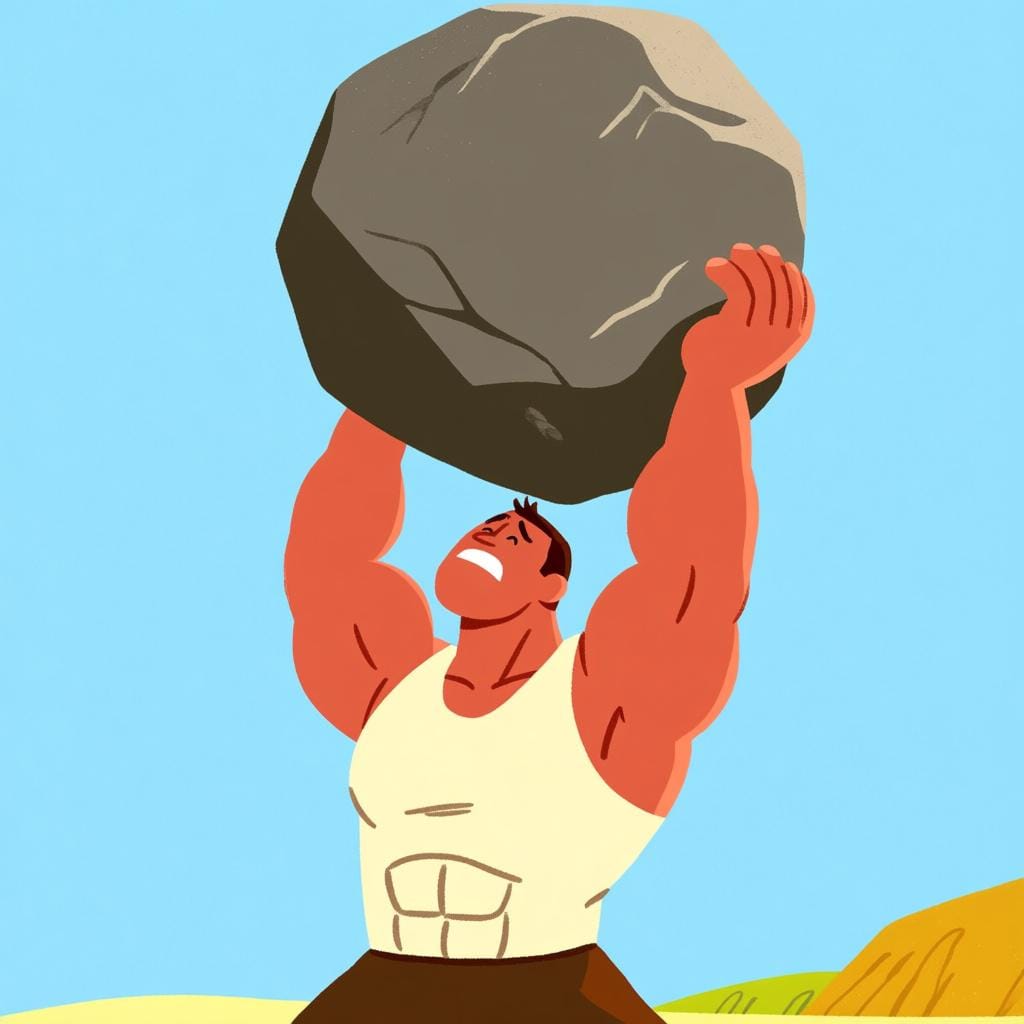
Examples
No tengo la fuerza para levantar esa caja.
I don't have the might/strength to lift that box.
El viento soplaba con mucha fuerza.
The wind was blowing with a lot of force.
Para abrirlo, tienes que hacer fuerza.
To open it, you have to use force.
Always Feminine
Fuerza is a feminine word, so you'll always pair it with feminine words like 'la', 'una', 'mucha', or 'poca'. For example, 'la fuerza' (the strength) or 'mucha fuerza' (a lot of strength).
pudiera
poo-dye-RAHpuˈdjeɾa

Examples
Si yo pudiera elegir, viajaría por todo el mundo.
If I might/could choose, I would travel all over the world.
No creí que él pudiera llegar a tiempo.
I didn't think he could arrive on time.
¿Pudiera traerme un vaso de agua, por favor?
Could you bring me a glass of water, please? (very polite)
The 'What If' Verb Form
'Pudiera' is a special form of 'poder' (to be able to) used for situations that aren't real, like wishes or 'what if' scenarios. You'll often see it after 'si' (if).
Making Polite Requests
Using 'pudiera' to ask for something sounds very polite and a little more formal. It's like saying 'Would it be possible for you to...' instead of just 'Can you...'
Two Forms, One Meaning: pudiera vs. pudiese
You might also see or hear 'pudiese'. Don't worry! 'Pudiera' and 'pudiese' mean the exact same thing and you can use them interchangeably.
Using 'podía' instead of 'pudiera'
Mistake: “Si yo podía, te ayudaría.”
Correction: Say 'si yo pudiera, te ayudaría.' After 'si' (if) in these 'what if' sentences, you need the special '-ra' form, not the regular past form 'podía'.
Confusing 'pudiera' and 'podría'
Mistake: “Me gustaría si podría ir.”
Correction: Say 'Me gustaría si pudiera ir.' Use 'pudiera' for the 'if' part of the sentence (the condition) and 'podría' for the 'then' part (the result). For example: 'Si pudiera (if), podría (then)...'
puede
PWEH-dehˈpwe.ðe
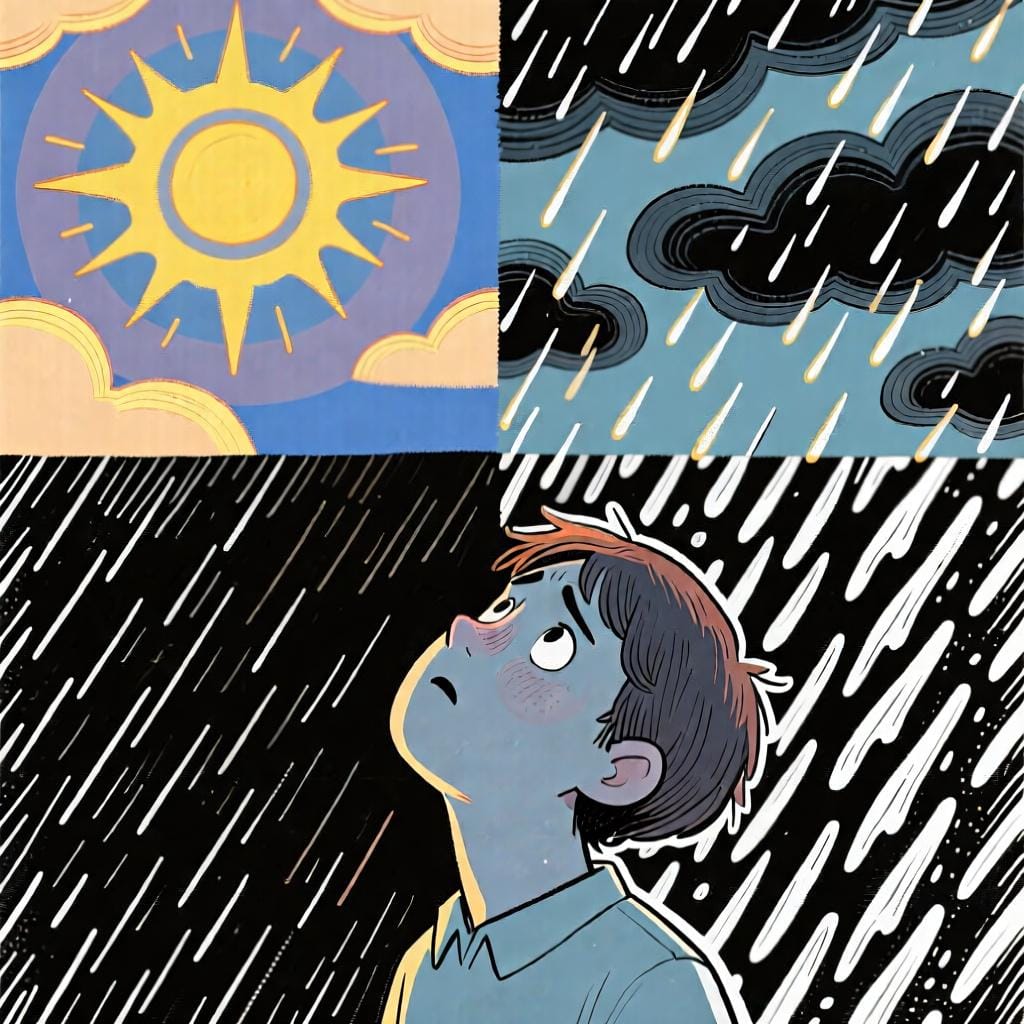
Examples
Puede que llueva esta tarde.
It might rain this afternoon.
Llama a la tienda, puede que esté abierta todavía.
Call the store, it might still be open.
Puede ser una buena idea.
It could be a good idea.
A Special Verb Form for 'Maybe'
When you use 'puede que' to talk about possibility, the verb that follows often changes into a special form (called the subjunctive). For example, 'Puede que venga' (He might come), not 'viene'.
Might vs. Strength
Learn Spanish with Inklingo
Interactive stories, personalized learning, and more.