How to Say "strength" in Spanish
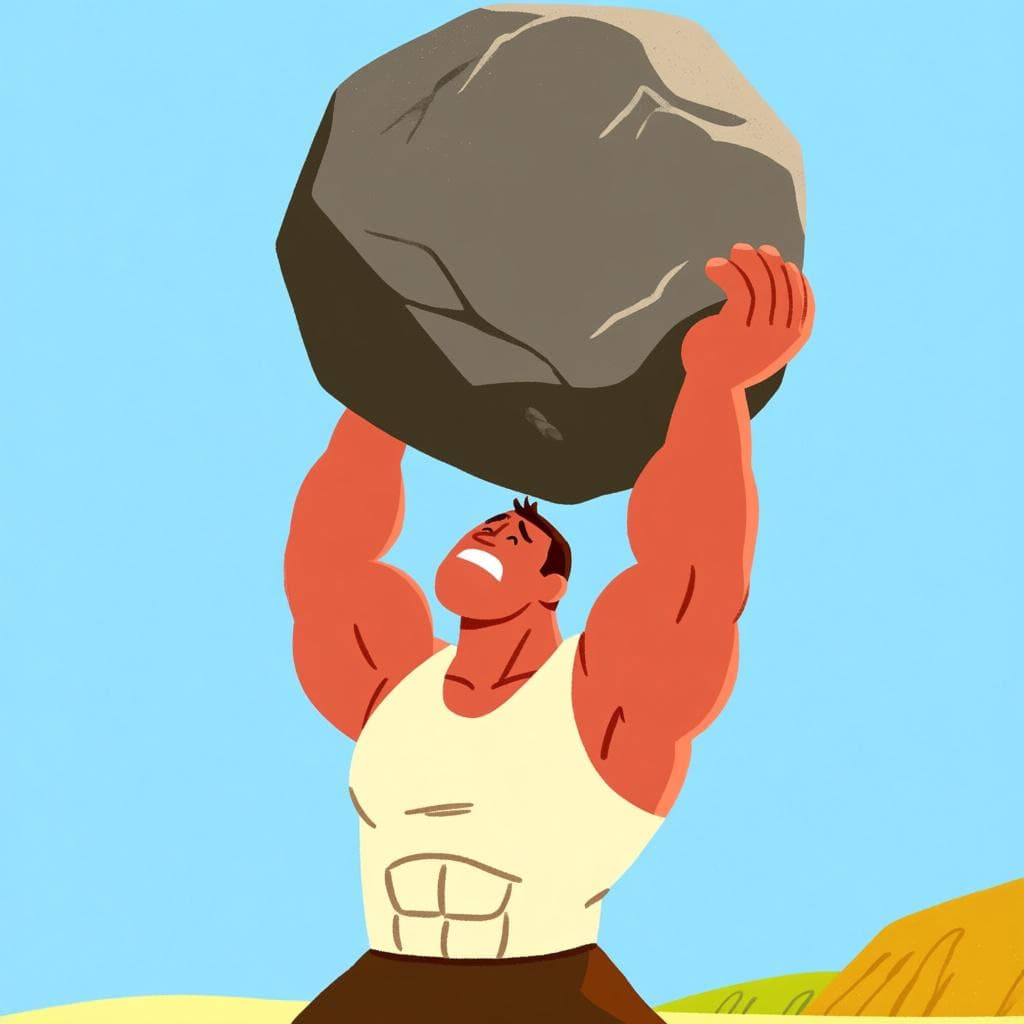
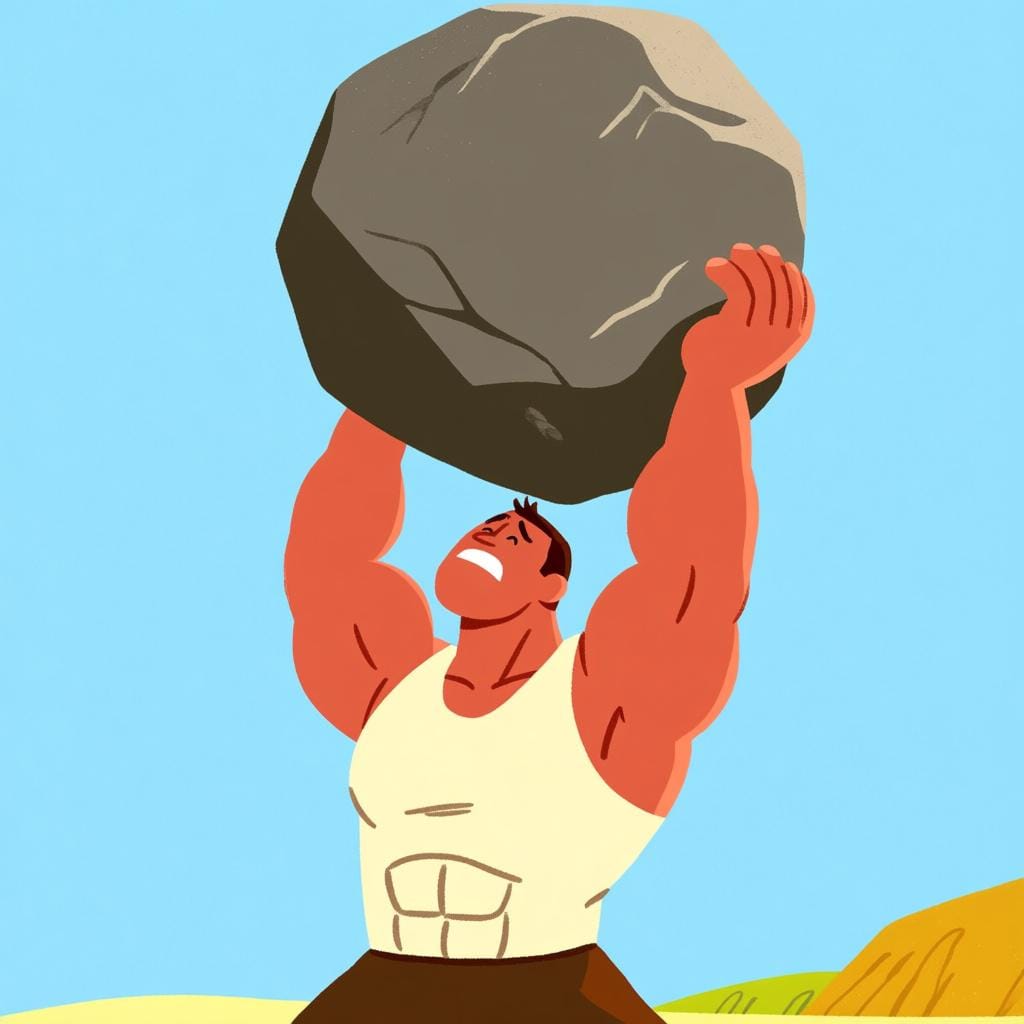
The most common Spanish word for “strength” is “fuerza” — use this word for physical strength, the ability to exert physical power or lift heavy objects.








fuerza
FWER-sahˈfweɾ.θa
Examples
No tengo la fuerza para levantar esa caja.
I don't have the strength to lift that box.
El viento soplaba con mucha fuerza.
The wind was blowing with a lot of force.
Para abrirlo, tienes que hacer fuerza.
To open it, you have to use force.
Always Feminine
Fuerza is a feminine word, so you'll always pair it with feminine words like 'la', 'una', 'mucha', or 'poca'. For example, 'la fuerza' (the strength) or 'mucha fuerza' (a lot of strength).
potencia
poh-TEN-syahpoˈten.sja

Examples
El motor de este coche tiene mucha potencia.
This car's engine has a lot of power.
Necesitas más potencia para levantar esa caja pesada.
You need more strength to lift that heavy box.
La potencia de su voz llenó la sala de conciertos.
The power of her voice filled the concert hall.
Gender Reminder
Even though it ends in '-a,' 'potencia' is always a feminine noun, so use 'la potencia' or 'una potencia'.
fortaleza
for-tah-LEH-sahfoɾtaˈleθa

Examples
Mostró gran fortaleza después de perder su trabajo.
She showed great strength after losing her job.
Su fortaleza mental le ayudó a superar la enfermedad.
His mental fortitude helped him overcome the illness.
Una de sus fortalezas es su habilidad para hablar en público.
One of his strengths is his ability to speak publicly.
Necesitas identificar tus fortalezas y debilidades para mejorar.
You need to identify your strengths and weaknesses in order to improve.
Fortaleza vs. Fuerza
Use 'fuerza' (force) for physical power or effort ('levantar pesas'). Use 'fortaleza' for emotional, moral, or mental strength.
Plural Form
This meaning is very often used in the plural form, 'fortalezas', especially when doing a personal assessment or evaluation.
Mixing Strength Types
Mistake: “Necesito mucha fuerza mental.”
Correction: Necesito mucha fortaleza mental. (Use 'fortaleza' when talking about mental/emotional strength, not physical force 'fuerza'.)
vigor
bee-GOHRbiˈɡoɾ

Examples
El abuelo todavía camina con mucho vigor cada mañana.
Grandpa still walks with a lot of strength every morning.
La nueva ley de tráfico entrará en vigor el próximo mes.
The new traffic law will come into force next month.
Debemos defender este proyecto con vigor para convencer al jefe.
We must defend this project with energy to convince the boss.
Always Masculine
Even though it ends in 'r', 'vigor' is always a masculine noun. You must use masculine markers like 'el vigor' or 'mucho vigor'.
Using 'en vigor' without an article
When talking about laws or rules, we say 'en vigor' (in effect). You don't need to add 'el' in the middle; saying 'en el vigor' would sound unnatural to native speakers.
Confusion with 'vigencia'
Mistake: “La ley no tiene vigor.”
Correction: La ley no está en vigor / La ley no tiene vigencia.
intensidad
een-ten-see-DAHDinten-siˈðad

Examples
La luz brilla con mucha intensidad.
The light shines with great intensity.
Entrenamos con intensidad para ganar el partido.
We trained with intensity to win the game.
Me sorprendió la intensidad de sus sentimientos.
I was surprised by the intensity of her feelings.
The '-dad' Rule
Spanish words ending in '-dad' are always feminine. This means you should always use 'la' or 'una' with this word (la intensidad).
Making it Plural
When a word ends in a consonant like 'd', you add '-es' to make it plural: 'las intensidades'.
Gender confusion
Mistake: “el intensidad”
Correction: la intensidad. Remember that words ending in -dad are feminine, just like 'la ciudad' or 'la verdad'.
virtud
beer-TOODbiɾˈtuð

Examples
La principal virtud de este coche es su bajo consumo.
The main quality of this car is its low fuel consumption.
Ese plan tiene la virtud de ser muy simple.
That plan has the advantage of being very simple.
fuerte
FWER-tehˈfweɾte

Examples
La organización no es mi fuerte, soy más creativo.
Organization isn't my strong suit, I'm more creative.
El fuerte de nuestro restaurante es la comida tradicional.
The strength of our restaurant is the traditional food.
músculo
Examples
La empresa mostró su músculo financiero con la nueva compra.
The company showed its financial muscle with the new purchase.
acero
ah-SEH-rohaˈθeɾo

Examples
Tuvo que demostrar su acero frente a las críticas de la prensa.
He had to show his mettle (strength/resilience) in the face of press criticism.
Mantenía una mirada de acero, sin mostrar miedo.
She maintained a steely gaze, without showing fear.
Figurative Use
When used figuratively, 'acero' often appears after the preposition 'de' (of) to describe a quality: 'una persona de acero' (a person of steel/a very tough person).
hierro
YAIR-rohˈje.ro

Examples
El caballero desenvainó su hierro y se preparó para la batalla.
The knight unsheathed his sword (his iron) and prepared for battle.
Necesitas tener nervios de hierro para ser un buen negociador.
You need to have nerves of steel (nerves of iron) to be a good negotiator.
Fuerza vs. Fortaleza
Related Translations
Learn Spanish with Inklingo
Interactive stories, personalized learning, and more.