How to Say "courage" in Spanish
The most common Spanish word for “courage” is “valentía” — use this word for general mental or moral strength when facing difficulty or danger.

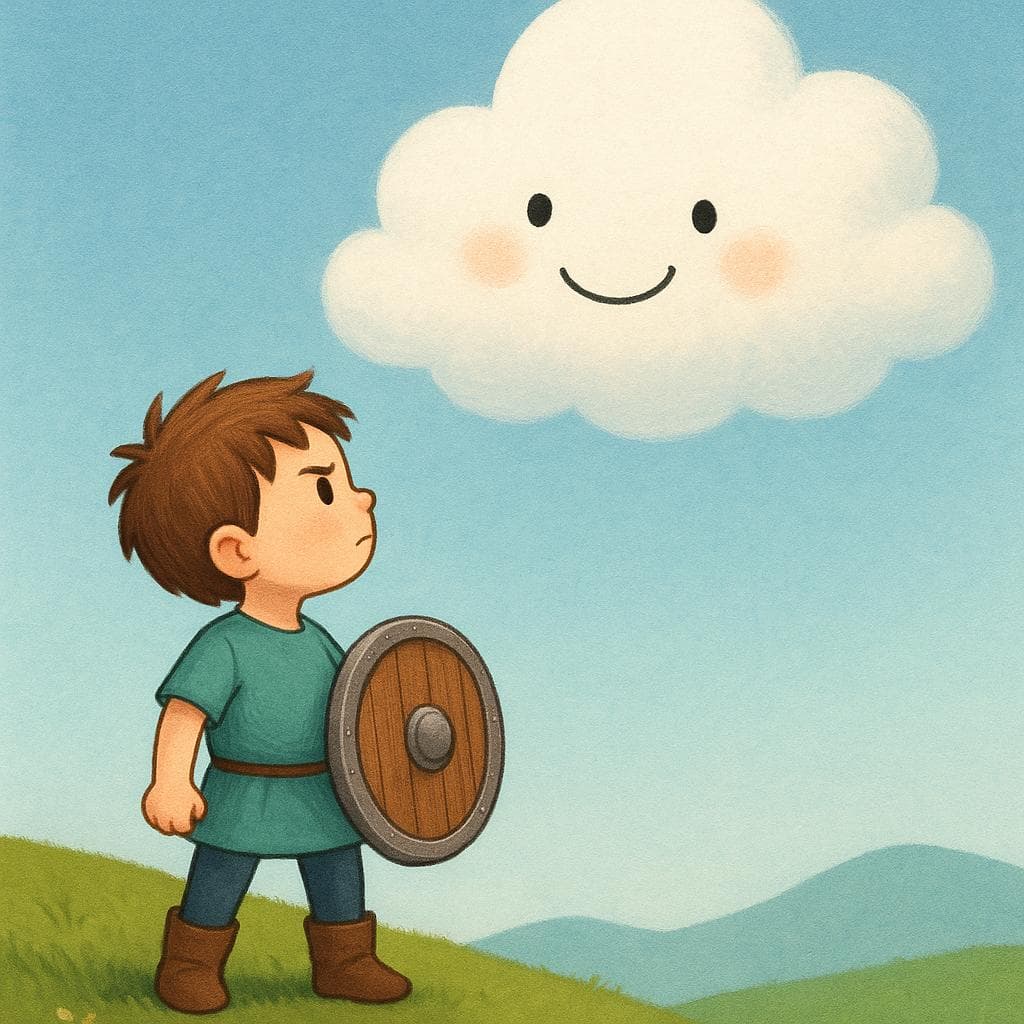

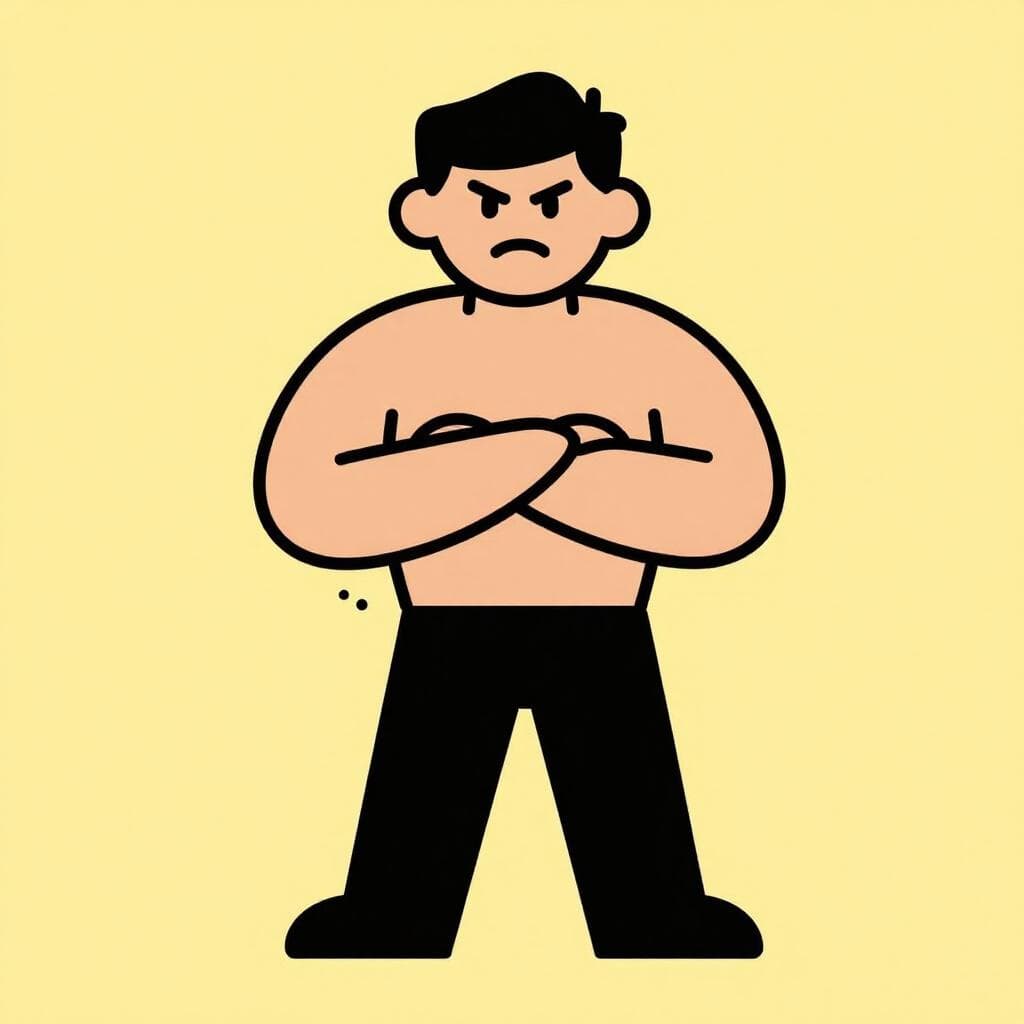


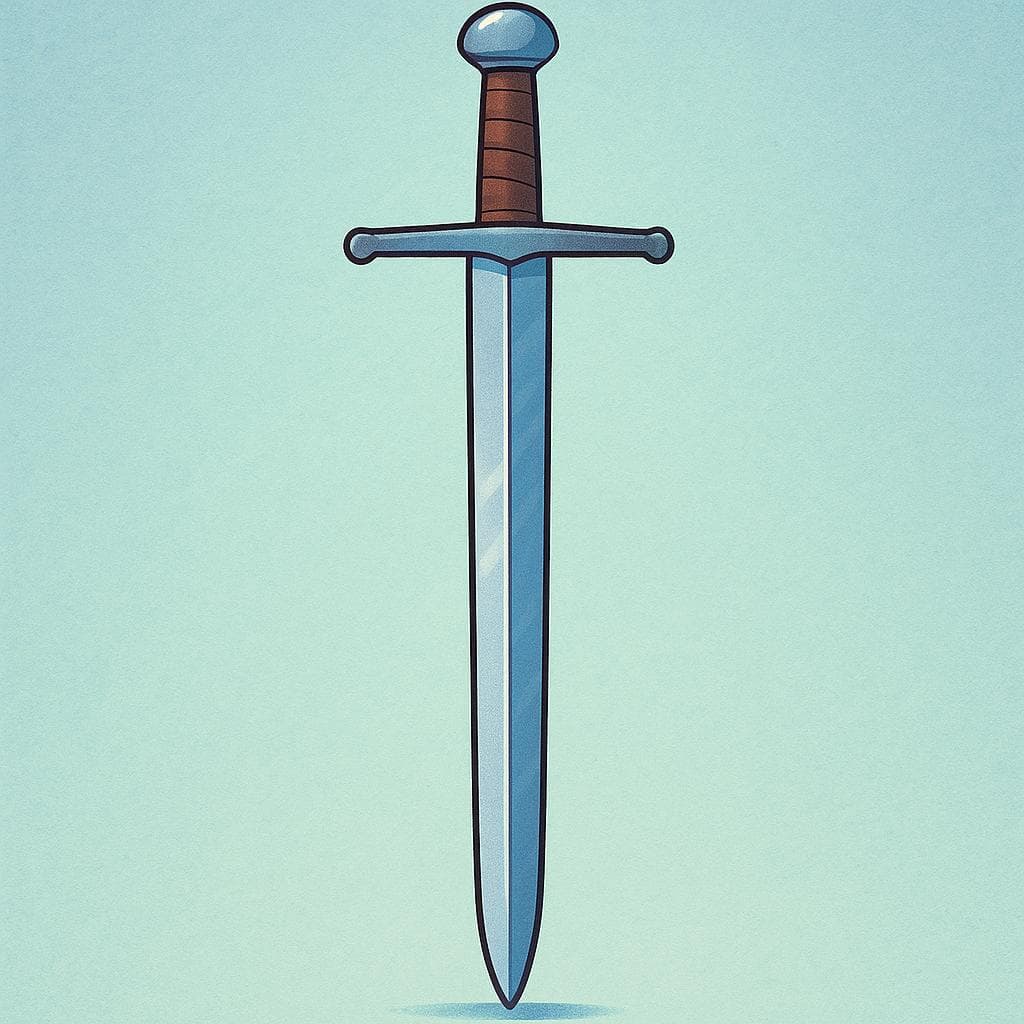
valentía
Examples
Tuvo la valentía de admitir su error delante de todos.
He had the courage to admit his mistake in front of everyone.
valor
vah-LORbaˈloɾ

Examples
Necesitas mucho valor para subir esa montaña.
You need a lot of courage to climb that mountain.
Demostró gran valor al ayudar a las víctimas del incendio.
He showed great bravery by helping the fire victims.
La niña tuvo el valor de confesar la verdad.
The girl had the courage to confess the truth.
Using 'Tener'
When you want to say someone 'has courage,' always use the verb 'tener' (to have): 'Tengo valor' (I have courage).
Mixing Adjective/Noun
Mistake: “Soy valor.”
Correction: Soy valiente. (Valor is the noun [courage]; Valiente is the adjective [brave]. You must say 'I am brave' using the adjective.)
coraje
koh-RAH-hehkoˈɾa.xe

Examples
Tuvo el coraje de decir la verdad a pesar de las consecuencias.
He had the courage to tell the truth despite the consequences.
Se necesita mucho coraje para empezar un negocio desde cero.
It takes a lot of bravery to start a business from scratch.
Gender Rule
Even though 'coraje' ends in '-e', it is always a masculine noun, so you must use 'el coraje' or 'un coraje'.
Using 'Coraje' for Physical Heart
Mistake: “Me duele el coraje. (I have a pain in my courage.)”
Correction: Use 'corazón' for the physical organ: 'Me duele el corazón.' (I have a pain in my heart.)
ánimo
Examples
No tengo mucho ánimo para ir a trabajar hoy.
I don't have much energy/spirit to go to work today.
corazón
Examples
Te quiero con todo mi corazón.
I love you with all my heart.
temple
TEM-plehˈtem.ple

Examples
El capitán mostró un gran temple durante la tormenta.
The captain showed great mettle during the storm.
Para ser cirujano, se necesita mucho temple.
To be a surgeon, you need a lot of composure.
Es una mujer de temple que no se rinde fácilmente.
She is a woman of character who doesn't give up easily.
The 'El' Rule
This is a masculine word. Even though it ends in 'e', you always use 'el' or 'un' (el temple, un temple).
Abstract vs. Concrete
While it describes an abstract quality like 'courage', it is treated as a countable noun when referring to specific types of character.
Temple vs. Templo
Mistake: “Using 'temple' to mean a religious building.”
Correction: Use 'templo' for a physical temple or church. 'Temple' refers to character or metal tempering.
pecho
PEH-chohˈpet͡ʃo
Examples
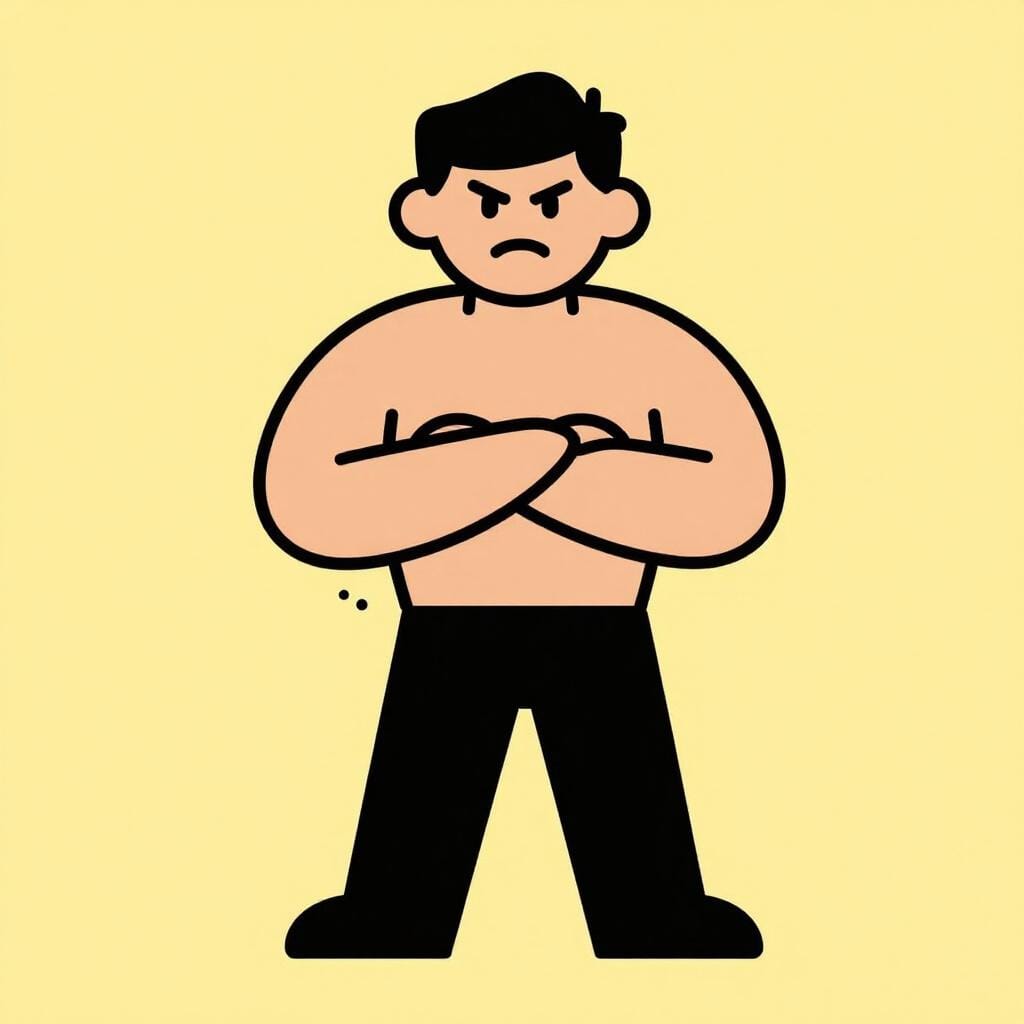
Puso el pecho para defender su proyecto.
He showed courage (or 'put his heart into it') to defend his project.
Ella sacó pecho cuando ganó el premio.
She puffed out her chest (showed pride/bravery) when she won the award.
Using 'Poner el Pecho'
This phrase literally means 'to put the chest out,' but it functions like saying 'to take the hit' or 'to step up and face a difficult situation' for someone or something.
huevo
OO-EH-vohˈweβo

Examples
Tienes que echarle más huevos a este proyecto si quieres terminarlo a tiempo.
You have to put more effort/guts into this project if you want to finish it on time.
Se necesita mucho huevo para decirle la verdad a tu jefe.
It takes a lot of guts to tell your boss the truth.
Using 'Echarle'
The phrase 'echarle huevos' (to put guts into it) means to apply intense effort or dedication. It's often used reflexively or with 'le' referring to the task.
arresto
ah-RREHS-tohaˈrresto

Examples
No tuvo los arrestos para confesar su error.
He didn't have the nerve (or guts) to confess his mistake.
Se necesita mucho arresto para iniciar un negocio así.
It takes a lot of spirit to start a business like that.
Figurative Plural
When used to mean 'courage' or 'guts,' it is very commonly used in the plural form: 'los arrestos'.
cojón
Examples
Le dio una patada en el cojón.
He kicked him in the ball.
hierro
YAIR-rohˈje.ro
Examples
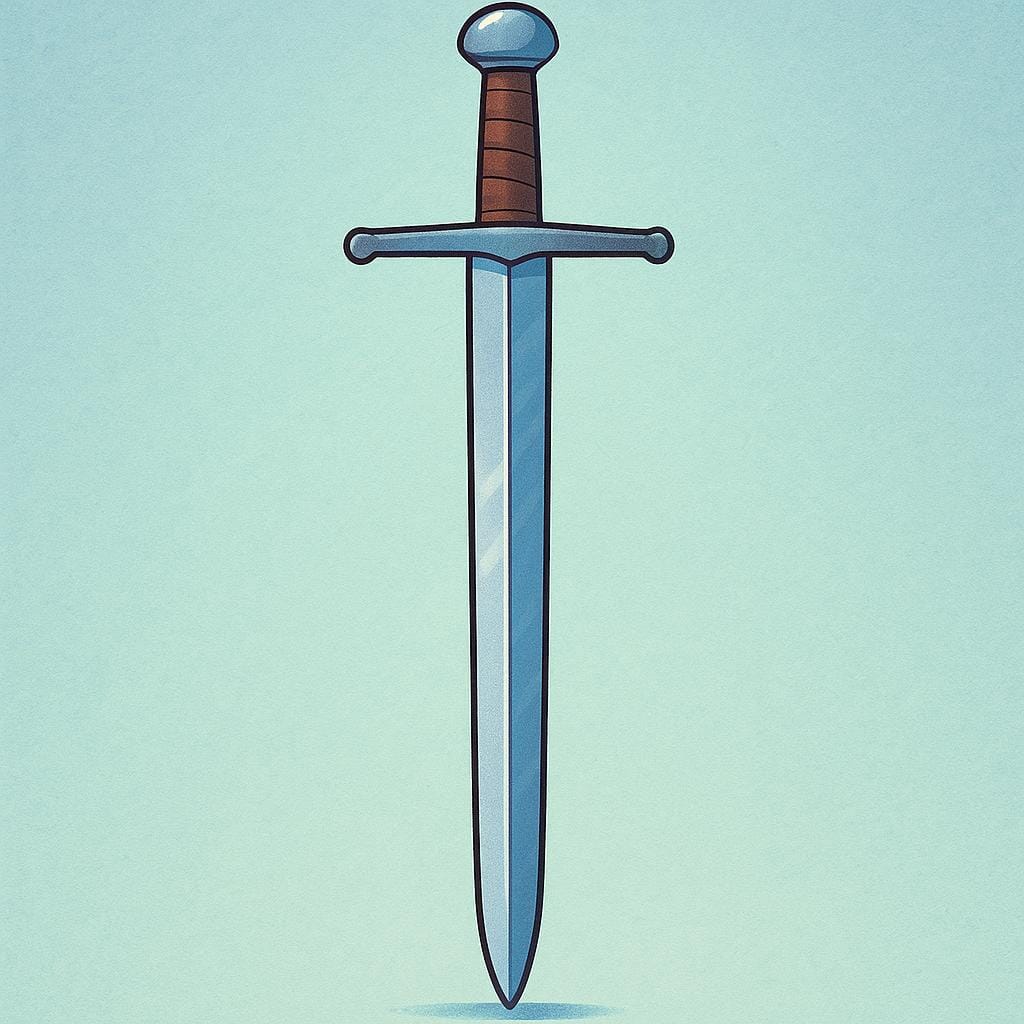
El caballero desenvainó su hierro y se preparó para la batalla.
The knight unsheathed his sword (his iron) and prepared for battle.
Necesitas tener nervios de hierro para ser un buen negociador.
You need to have nerves of steel (nerves of iron) to be a good negotiator.
Don't confuse general bravery with 'guts'
Learn Spanish with Inklingo
Interactive stories, personalized learning, and more.