pecho
“pecho” means “chest” in Spanish. It has 2 different meanings depending on context:
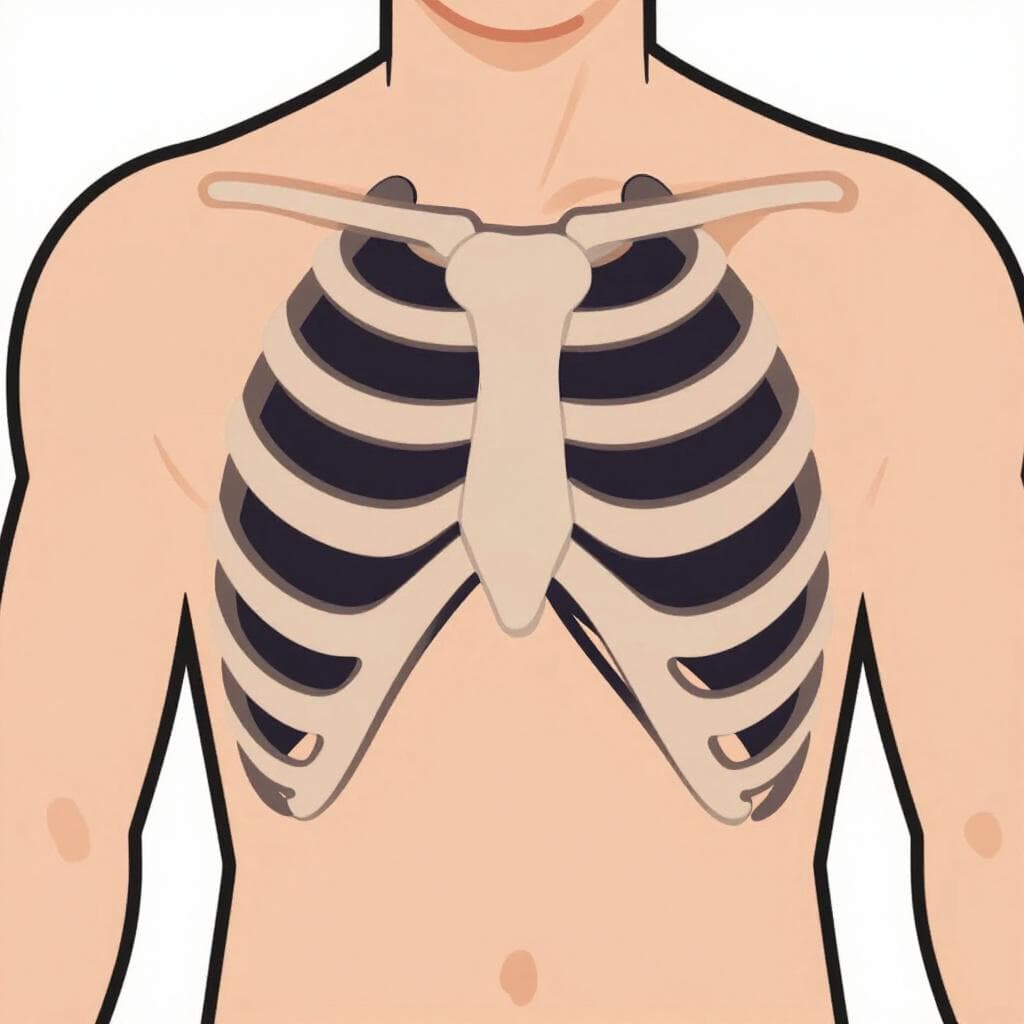

chest, breast
Also: bosom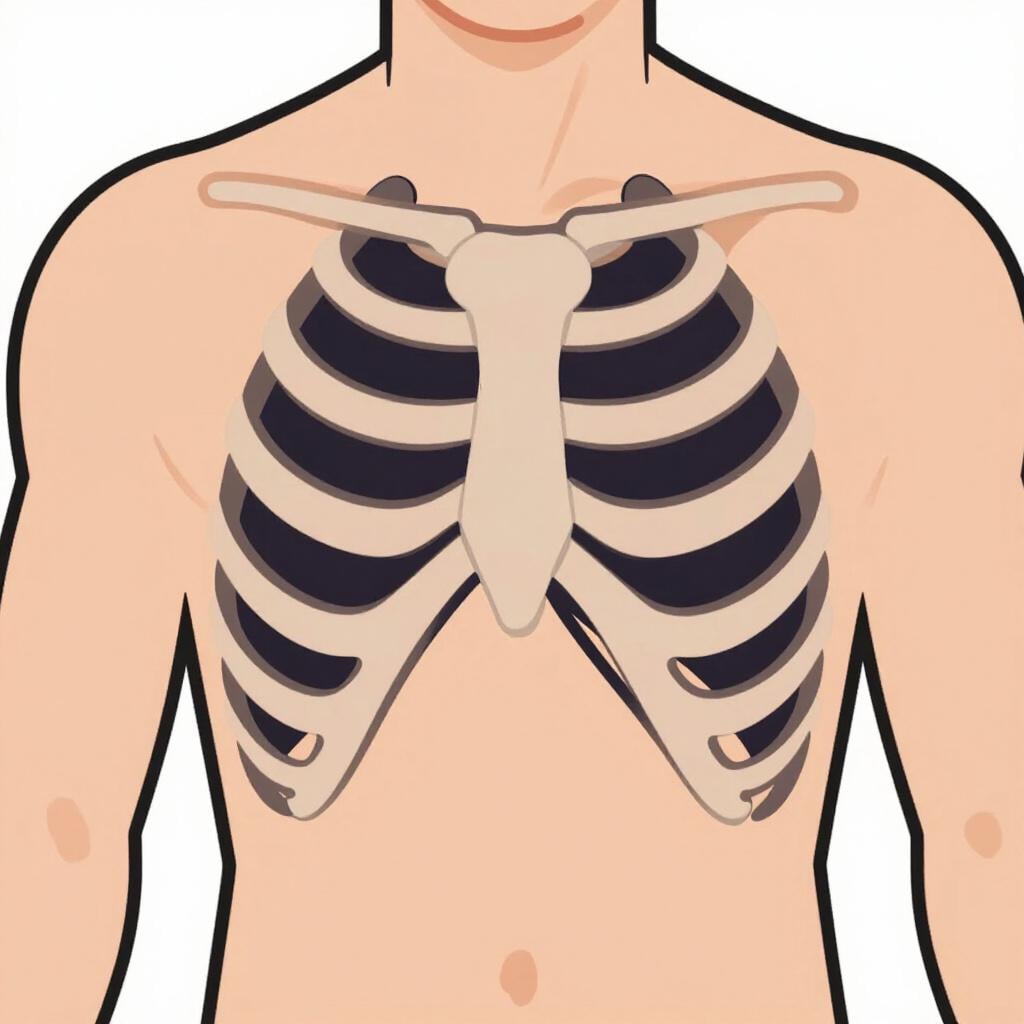
📝 In Action
Se golpeó el pecho al caer.
A1He hit his chest when he fell.
El bebé estaba tomando leche del pecho de su madre.
A2The baby was drinking milk from its mother's breast (nursing).
Sintió un dolor fuerte en el pecho y fue al hospital.
B1He felt a sharp pain in his chest and went to the hospital.
courage, spirit
Also: audacity
📝 In Action
Puso el pecho para defender su proyecto.
B2He showed courage (or 'put his heart into it') to defend his project.
Ella sacó pecho cuando ganó el premio.
C1She puffed out her chest (showed pride/bravery) when she won the award.
Translate to Spanish
✏️ Quick Practice
Quick Quiz: pecho
Question 1 of 2
Which English phrase best translates the idiomatic expression 'sacar pecho'?
📚 More Resources
👥 Word Family▼
📚 Etymology▼
Comes from the Latin word *pectus*, meaning 'chest' or 'breast.' This root is also found in English words like 'pectoral.'
First recorded: 10th century
Cognates (Related words)
💡 Master Spanish
Take your Spanish to the next level. Read 200+ illustrated and narrated Spanish stories tailored to your level with the Inklingo app!
Frequently Asked Questions
Is 'pecho' used for both male and female chests?
Yes, 'pecho' (masculine) refers to the chest area for everyone. It is also used specifically to refer to the female breast, especially in the context of feeding or nursing ('dar el pecho').
How is 'pecho' different from 'seno'?
'Pecho' is the general term for the chest area and the common term for breast in medical or nursing contexts. 'Seno' is also a word for 'breast,' but it's often more formal, literary, or sometimes used when referring to a mathematical curve or a 'bosom' (fig.)