How to Say "chest" in Spanish
The most common Spanish word for “chest” is “pecho” — use 'pecho' when referring to the part of the human body, specifically the front of the torso between the neck and the abdomen, including the ribcage.
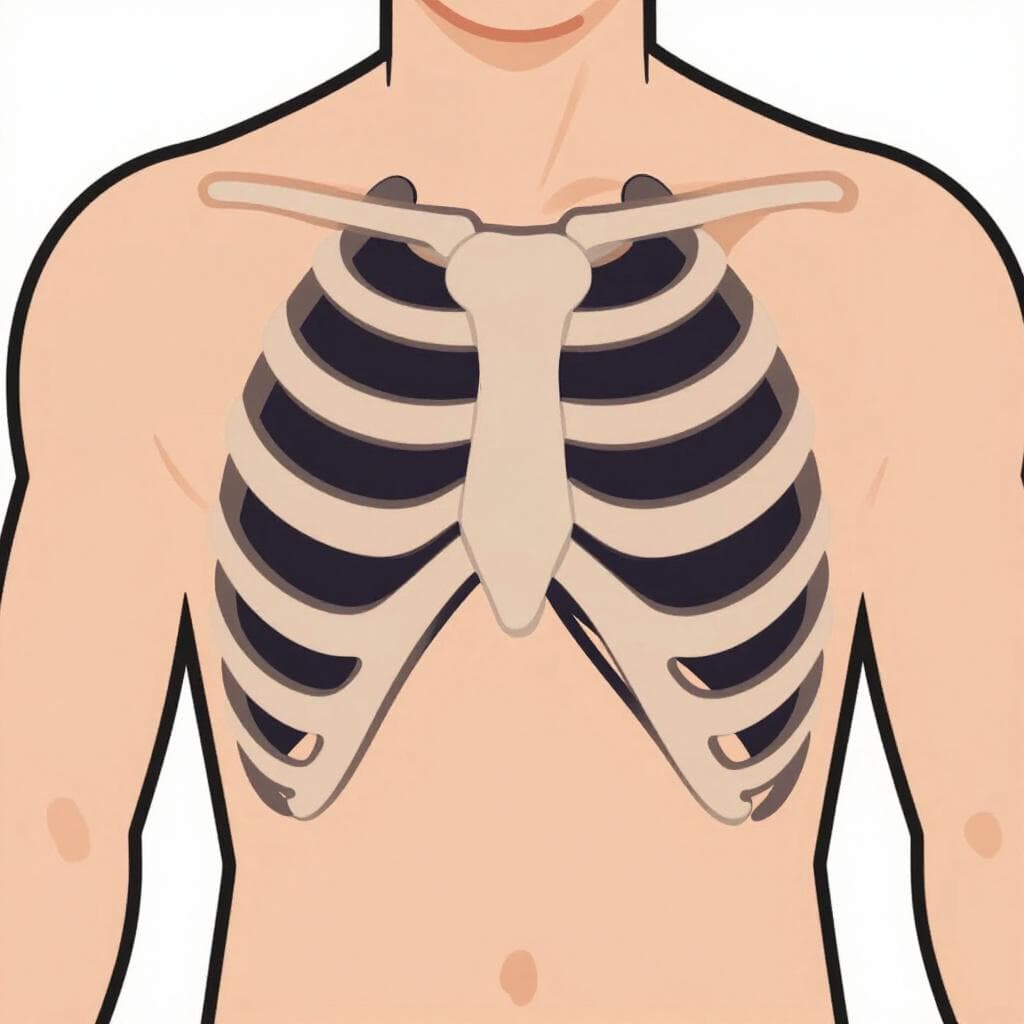
Use 'pecho' when referring to the part of the human body, specifically the front of the torso between the neck and the abdomen, including the ribcage.
Learn more →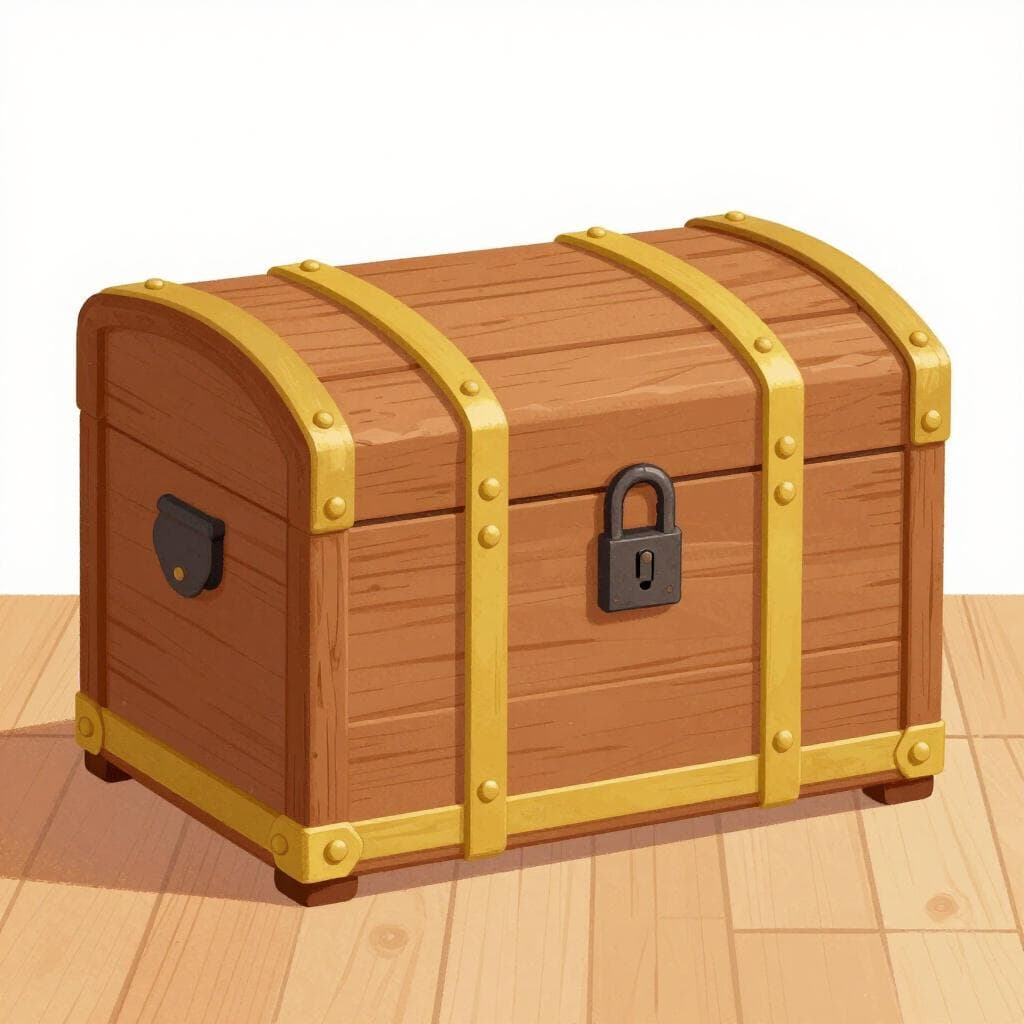
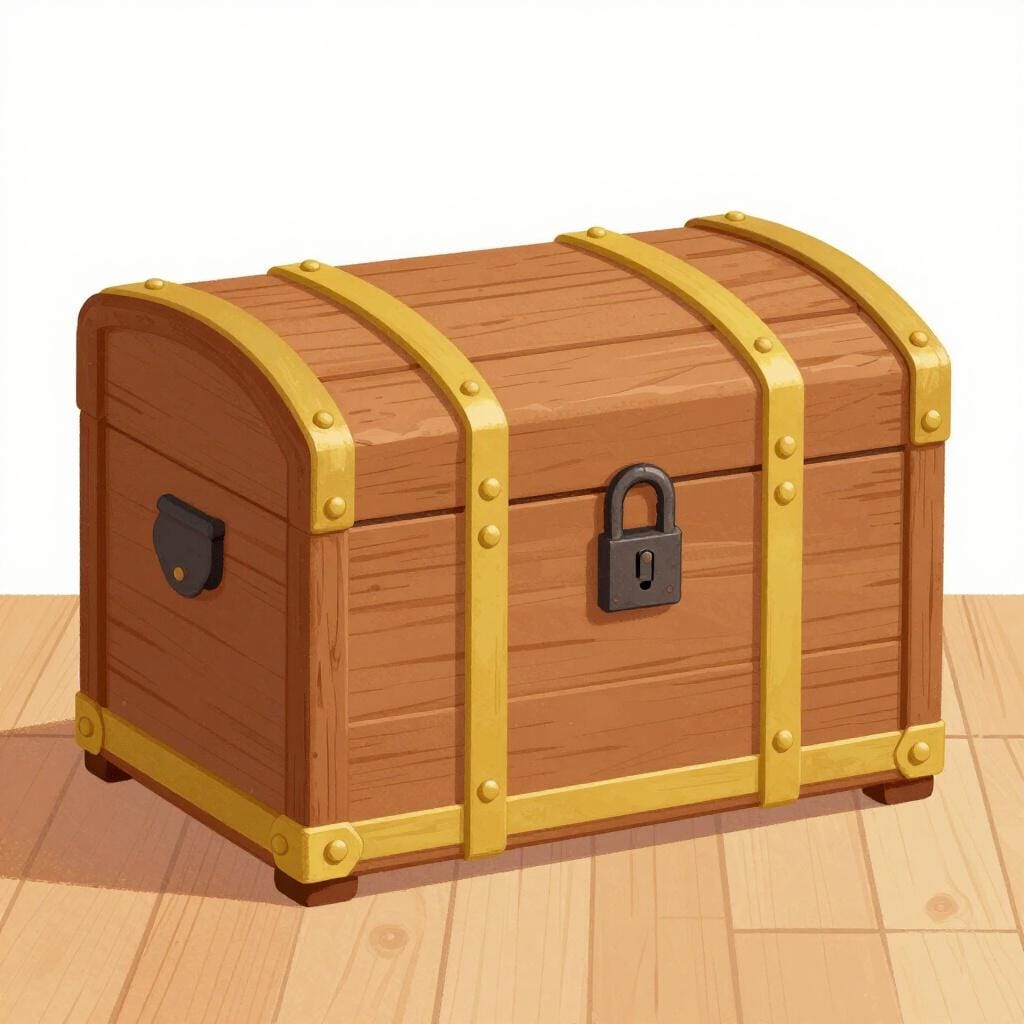
Choose 'cofre' for a large, strong box, often associated with valuable items like treasure or important documents, implying security.
Learn more →Use 'baúl' for a large, often ornate, piece of furniture used for storage, typically for items like blankets, clothes, or keepsakes.
Learn more →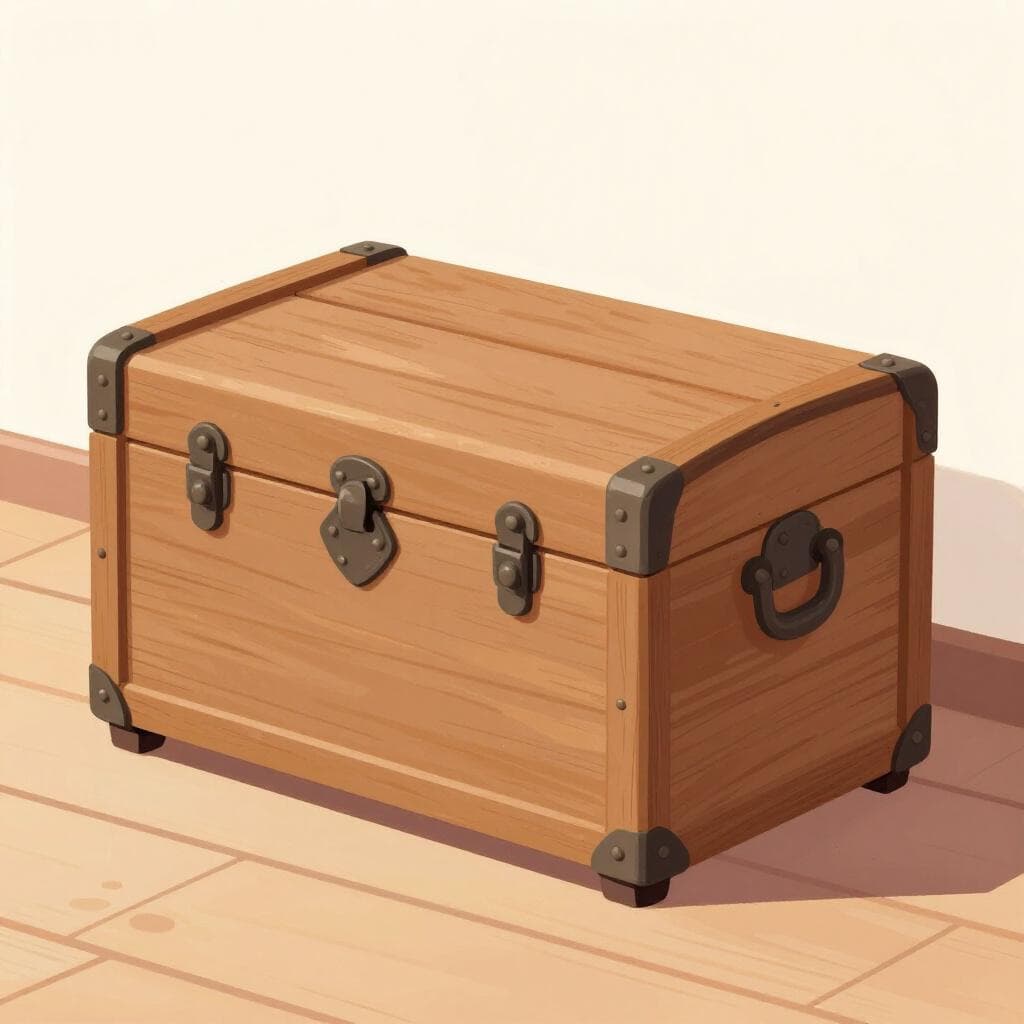
Opt for 'arca' when referring to a large, typically old-fashioned, wooden box used for storage, often implying a rustic or traditional context.
Learn more →PEH-chohˈpet͡ʃo
Examples
Siente un dolor en el pecho.
He feels a pain in his chest.
Se golpeó el pecho al caer.
He hit his chest when he fell.
El bebé estaba tomando leche del pecho de su madre.
The baby was drinking milk from its mother's breast (nursing).
Sintió un dolor fuerte en el pecho y fue al hospital.
He felt a sharp pain in his chest and went to the hospital.
Masculine Gender Rule
Even though 'pecho' refers to a body part that is feminine in some contexts (like 'breast'), the word 'pecho' itself is always masculine. Remember: el pecho.
Gender Confusion
Mistake: “La pecho es grande.”
Correction: El pecho es grande. (Always use the masculine article 'el' or 'un'.)
KOH-frehˈkofɾe
Examples
El cofre estaba lleno de joyas antiguas.
The chest was full of ancient jewels.
Los piratas escondieron el cofre de oro en la isla.
The pirates hid the chest of gold on the island.
Ella guarda sus fotos antiguas en un cofre de madera.
She keeps her old photos in a wooden chest.
Este cofre tiene una cerradura muy vieja.
This trunk has a very old lock.
Gender and Articles
This word is 'masculine,' meaning you should always use 'el' or 'un' with it (el cofre).
Cofre vs. Caja
Mistake: “Using 'caja' for a treasure chest.”
Correction: Use 'cofre' for reinforced or decorative storage boxes; 'caja' is usually for cardboard or simple plastic boxes.
baúl
Examples
Guardamos la ropa de invierno en el baúl.
We keep the winter clothes in the trunk.
AR-kaˈaɾka

Examples
Encontraron un arca de madera con cartas viejas.
They found a wooden chest with old letters.
Guardamos las sábanas viejas en el arca de madera.
We keep the old sheets in the wooden chest.
El pirata escondió el oro en un arca pesada.
The pirate hid the gold in a heavy chest.
Es un arca antigua que perteneció a mi bisabuela.
It is an ancient trunk that belonged to my great-grandmother.
The 'El' instead of 'La' Rule
Even though 'arca' is a feminine word, we use 'el' in the singular form (el arca) because the word starts with a strong 'A' sound. This makes it easier to pronounce, avoiding the 'la-arca' sound.
Adjectives stay feminine
Even though you use 'el arca', any describing words (adjectives) must still be feminine. You say 'el arca antigua' (the old chest), not 'el arca antiguo'.
Using 'La' with the singular word
Mistake: “La arca es grande.”
Correction: El arca es grande. (We use 'el' for singular words that start with a stressed 'A' sound).
Body Part vs. Storage Box Confusion
The most frequent error learners make is using a word for a storage box (like 'cofre' or 'baúl') when referring to the human body part. Always remember that 'pecho' is the only word for the chest on a person.
Related Translations
Learn Spanish with Inklingo
Interactive stories, personalized learning, and more.