How to Say "bosom" in Spanish
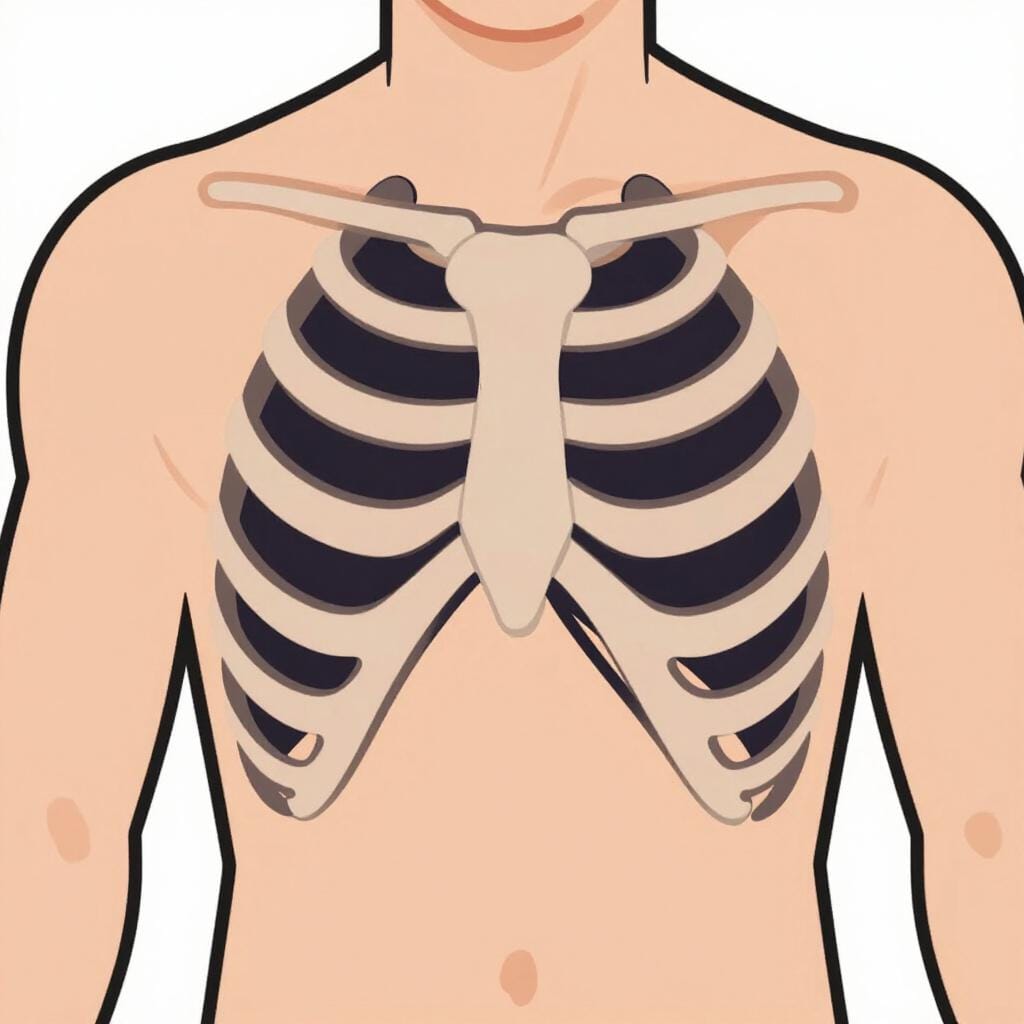
The most common Spanish word for “bosom” is “pecho” — use 'pecho' when referring to the physical chest area, often in a poetic, formal, or general anatomical sense, but not specifically the female breast.
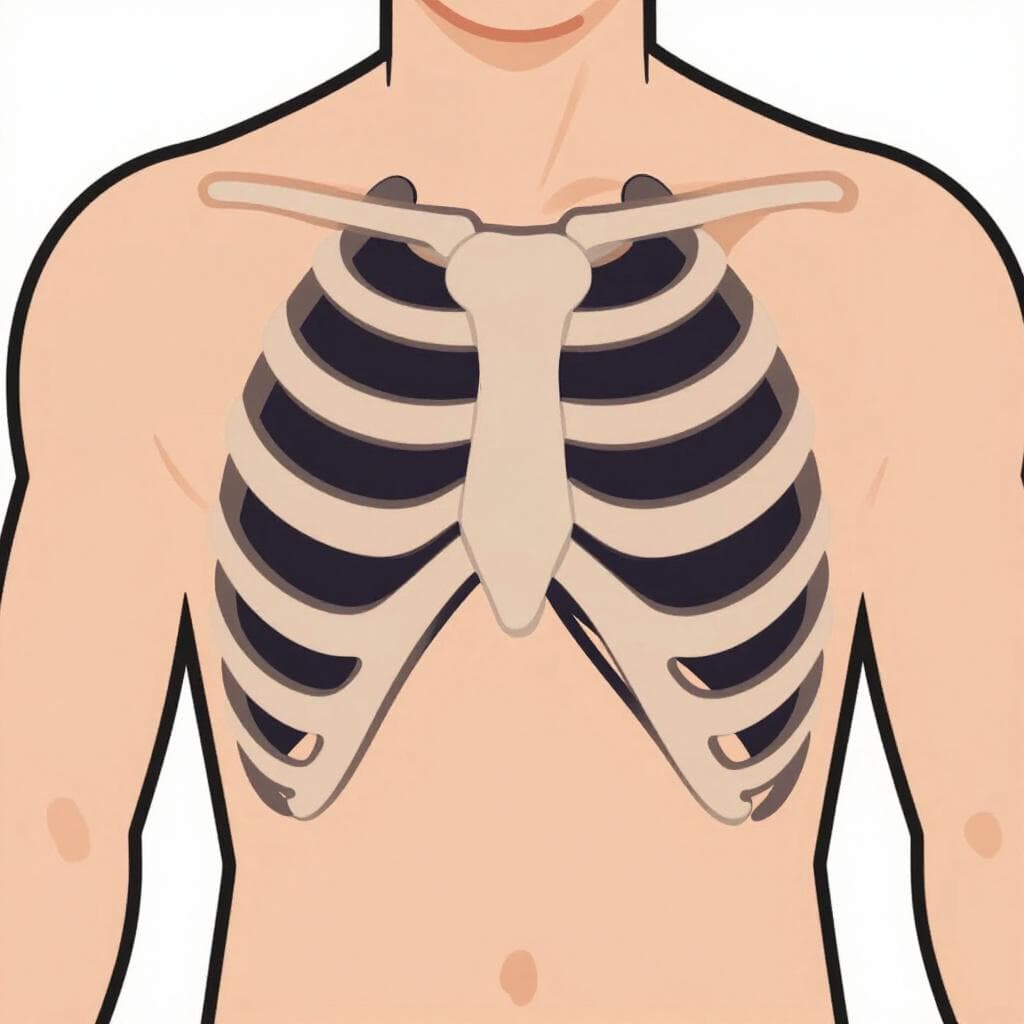
Use 'pecho' when referring to the physical chest area, often in a poetic, formal, or general anatomical sense, but not specifically the female breast.
Learn more →
Use 'seno' specifically to refer to the female breast, particularly in medical or biological contexts, or when discussing it figuratively as an environment.
Learn more →PEH-chohˈpet͡ʃo
Examples
Se golpeó el pecho al caer.
He hit his chest when he fell.
El bebé estaba tomando leche del pecho de su madre.
The baby was drinking milk from its mother's breast (nursing).
Sintió un dolor fuerte en el pecho y fue al hospital.
He felt a sharp pain in his chest and went to the hospital.
Masculine Gender Rule
Even though 'pecho' refers to a body part that is feminine in some contexts (like 'breast'), the word 'pecho' itself is always masculine. Remember: el pecho.
Gender Confusion
Mistake: “La pecho es grande.”
Correction: El pecho es grande. (Always use the masculine article 'el' or 'un'.)
SEH-nohˈseno

Examples
Es importante realizarse chequeos para prevenir el cáncer de seno.
It is important to have check-ups to prevent breast cancer.
Creció en el seno de una familia muy unida.
He grew up in the heart of a very close-knit family.
La propuesta fue debatida en el seno del gobierno.
The proposal was debated within the government.
Using 'seno' for groups
When you want to say something happened 'within' a group or organization, use the phrase 'en el seno de'. It sounds more formal and sophisticated than just saying 'dentro de'.
Seno vs. Pecho
Mistake: “Using 'seno' to describe a man's chest.”
Correction: Use 'pecho' for a man's chest. 'Seno' usually refers to female breasts in a medical context or the internal 'heart' of a group.
Confusing 'Pecho' and 'Seno'
Learners often confuse 'pecho' and 'seno' because both relate to the chest area. Remember that 'seno' is specifically for the female breast, especially in health contexts, while 'pecho' is a more general term for the chest.
Related Translations
Learn Spanish with Inklingo
Interactive stories, personalized learning, and more.