How to Say "womb" in Spanish
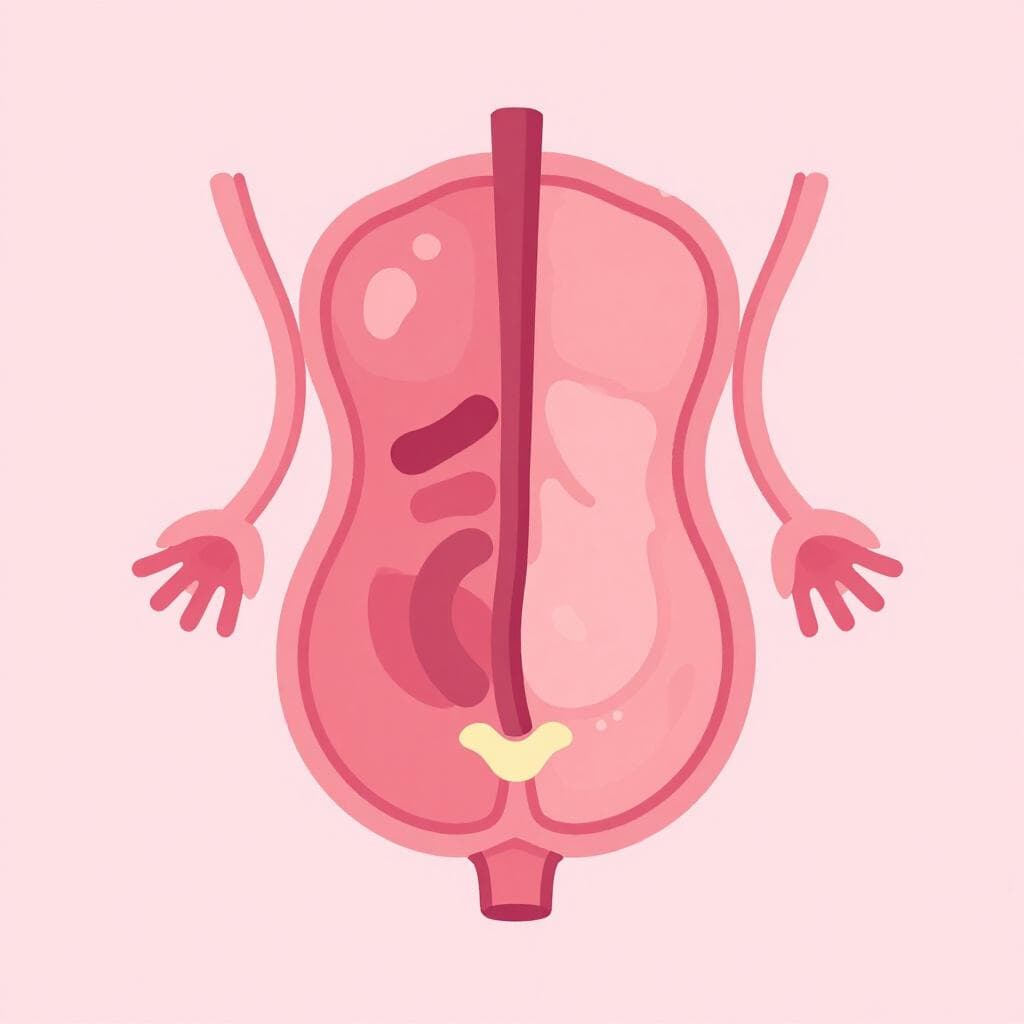
The most common Spanish word for “womb” is “útero” — use 'útero' for a general, everyday, or slightly poetic reference to the organ where a baby develops during pregnancy.


útero
Examples
El bebé se desarrolla dentro del útero materno.
The baby develops inside the mother's womb.
vientre
bee-EN-trehˈbjɛn.tɾe

Examples
La madre llevó a su hijo en el vientre durante nueve meses.
The mother carried her son in her womb for nine months.
El cargamento fue guardado en el vientre oscuro del buque.
The cargo was stored in the dark hold (belly) of the vessel.
matriz
ma-TREESmaˈtɾis
Examples
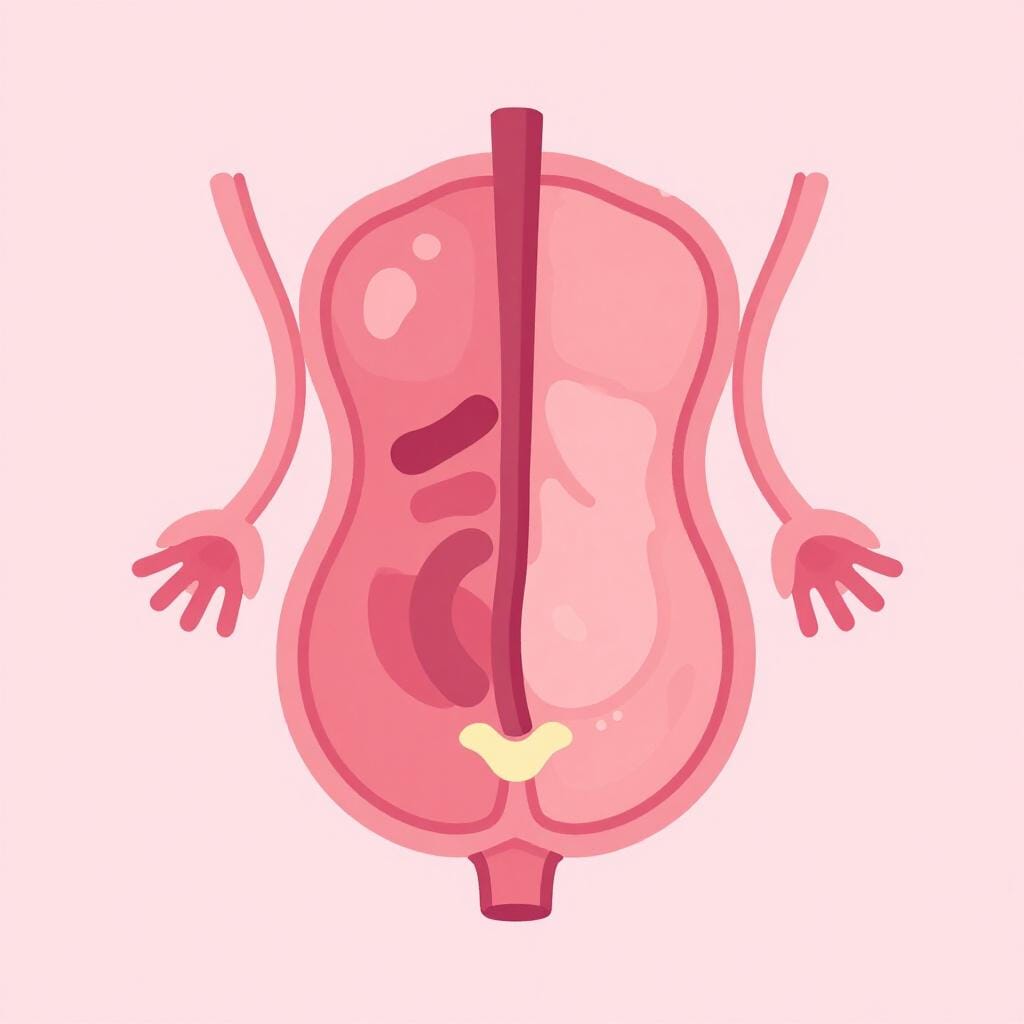
La matriz es el órgano donde se desarrolla el feto.
The womb is the organ where the fetus develops.
Le hicieron una ecografía para revisar su matriz.
They gave her an ultrasound to check her womb.
Existen diversas enfermedades que pueden afectar la matriz.
There are several diseases that can affect the uterus.
The 'z' to 'ces' rule
When a word ends in 'z', like 'matriz', you change the 'z' to 'c' and add 'es' to make it plural: 'las matrices'.
Gender consistency
This word is always feminine, so always use 'la' or 'una' with it, regardless of the context.
Using 'el' instead of 'la'
Mistake: “El matriz es importante.”
Correction: La matriz es importante. Because words ending in '-iz' are almost always feminine.
seno
SEH-nohˈseno

Examples
Es importante realizarse chequeos para prevenir el cáncer de seno.
It is important to have check-ups to prevent breast cancer.
Creció en el seno de una familia muy unida.
He grew up in the heart of a very close-knit family.
La propuesta fue debatida en el seno del gobierno.
The proposal was debated within the government.
Using 'seno' for groups
When you want to say something happened 'within' a group or organization, use the phrase 'en el seno de'. It sounds more formal and sophisticated than just saying 'dentro de'.
Seno vs. Pecho
Mistake: “Using 'seno' to describe a man's chest.”
Correction: Use 'pecho' for a man's chest. 'Seno' usually refers to female breasts in a medical context or the internal 'heart' of a group.
Confusing 'útero' and 'vientre'
Learn Spanish with Inklingo
Interactive stories, personalized learning, and more.