How to Say "interior" in Spanish
The most common Spanish word for “interior” is “interior” — use 'interior' when referring to the inside space or structure of an object, room, or building.


interior
een-teh-ryorin.teˈɾjoɾ

Examples
El interior de la caja estaba vacío.
The inside of the box was empty.
Vamos a viajar al interior para visitar pueblos pequeños.
We are going to travel inland (to the interior) to visit small towns.
Hacía frío en el exterior, pero el interior del cine era cálido.
It was cold outside, but the inside of the movie theater was warm.
The article 'el'
When used as a noun meaning 'the inside,' it always requires the masculine definite article 'el' (el interior).
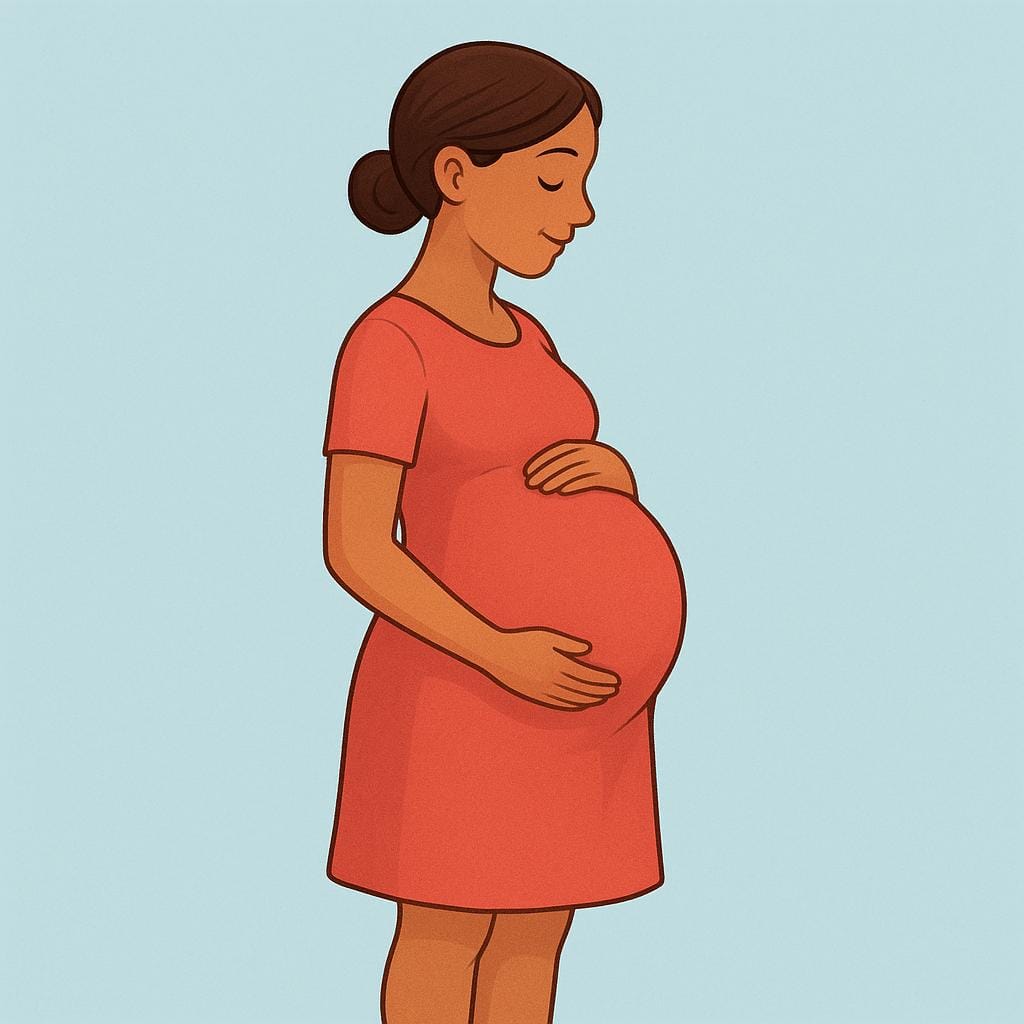
vientre
bee-EN-trehˈbjɛn.tɾe
Examples
La madre llevó a su hijo en el vientre durante nueve meses.
The mother carried her son in her womb for nine months.
El cargamento fue guardado en el vientre oscuro del buque.
The cargo was stored in the dark hold (belly) of the vessel.
Interior vs. Vientre
Learn Spanish with Inklingo
Interactive stories, personalized learning, and more.