How to Say "hold" in Spanish
The most common Spanish word for “hold” is “aguanta” — use 'aguanta' when referring to a noun's ability to support weight or endure stress, often translating to 'supports' or 'withstands'.


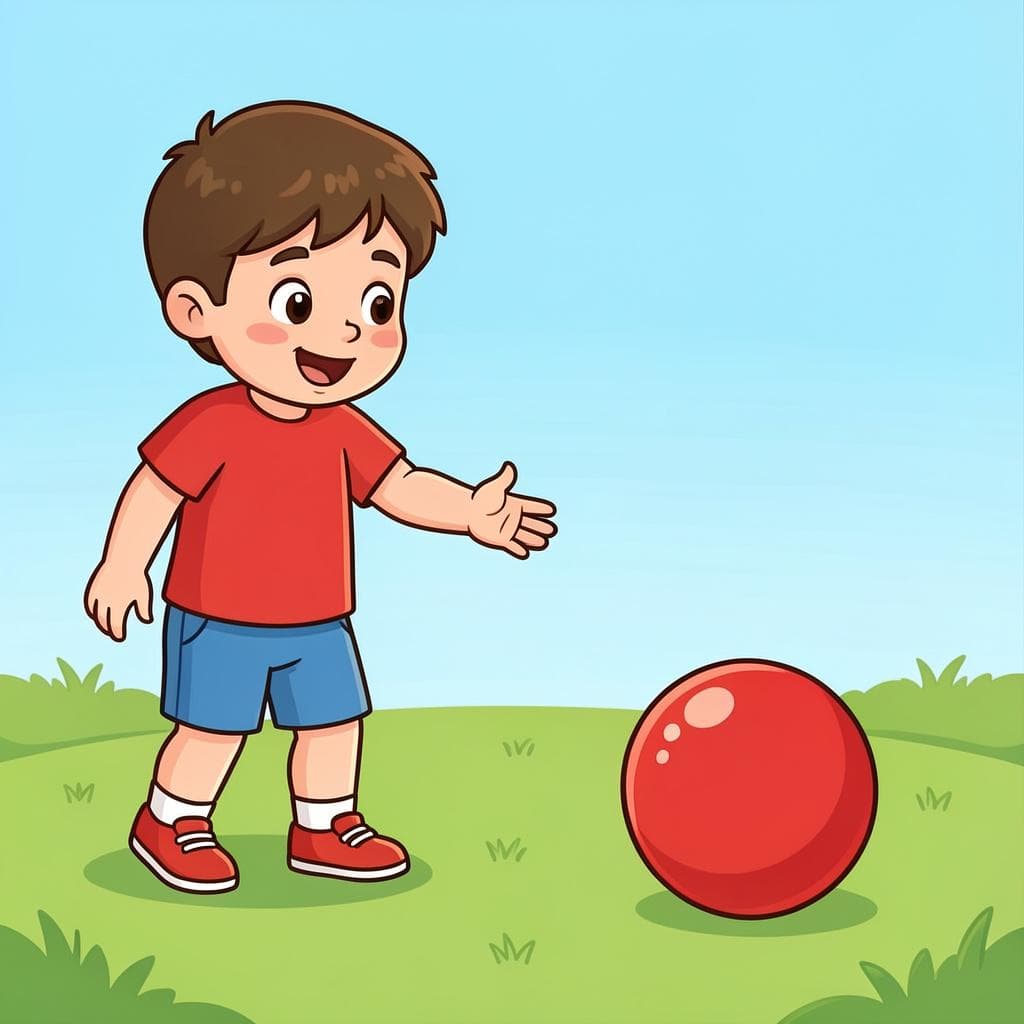




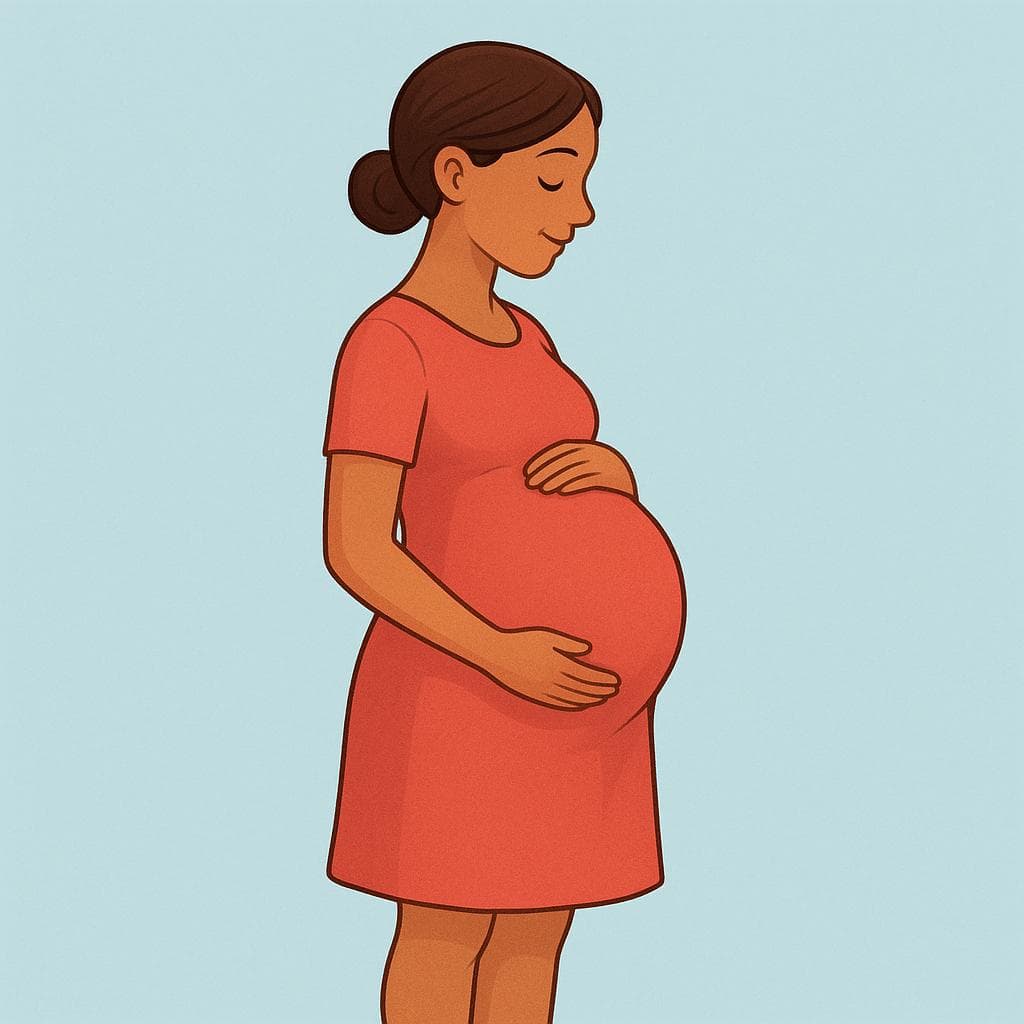
aguanta
ah-GWAHN-tahaˈɣwan.ta

Examples
Esta viga aguanta todo el techo de la casa.
This beam supports the entire roof of the house.
¡Aguanta la caja con las dos manos o se cae!
Hold the box with both hands or it will fall!
Present Tense vs. Command
The form 'aguanta' is used both when talking about what a third person (he/she/it) does now, and as a direct command to you (tú).
mantén
man-TENmanˈten

Examples
Mantén la puerta cerrada, por favor.
Keep the door closed, please.
Si quieres un buen trabajo, mantén tus habilidades al día.
If you want a good job, maintain your skills up to date.
¡Mantén la calma! Solo es una pequeña araña.
Keep calm! It's only a small spider.
The Informal Command
'Mantén' is the affirmative (positive) command you use when speaking informally to one person (the 'tú' form). It tells them what to DO.
A Special Irregularity
Most 'tú' commands are the same as the 'él/ella' present tense form (e.g., habla). However, 'mantén' is irregular because its base verb, 'mantener,' follows the pattern of the highly irregular verb 'tener' (to have).
Using the Indicative Form
Mistake: “Tú mantienes la calma.”
Correction: ¡Mantén la calma! 'Mantienes' means 'You keep' (statement), while 'Mantén' means 'Keep!' (order).
detén
deh-TENdeˈten
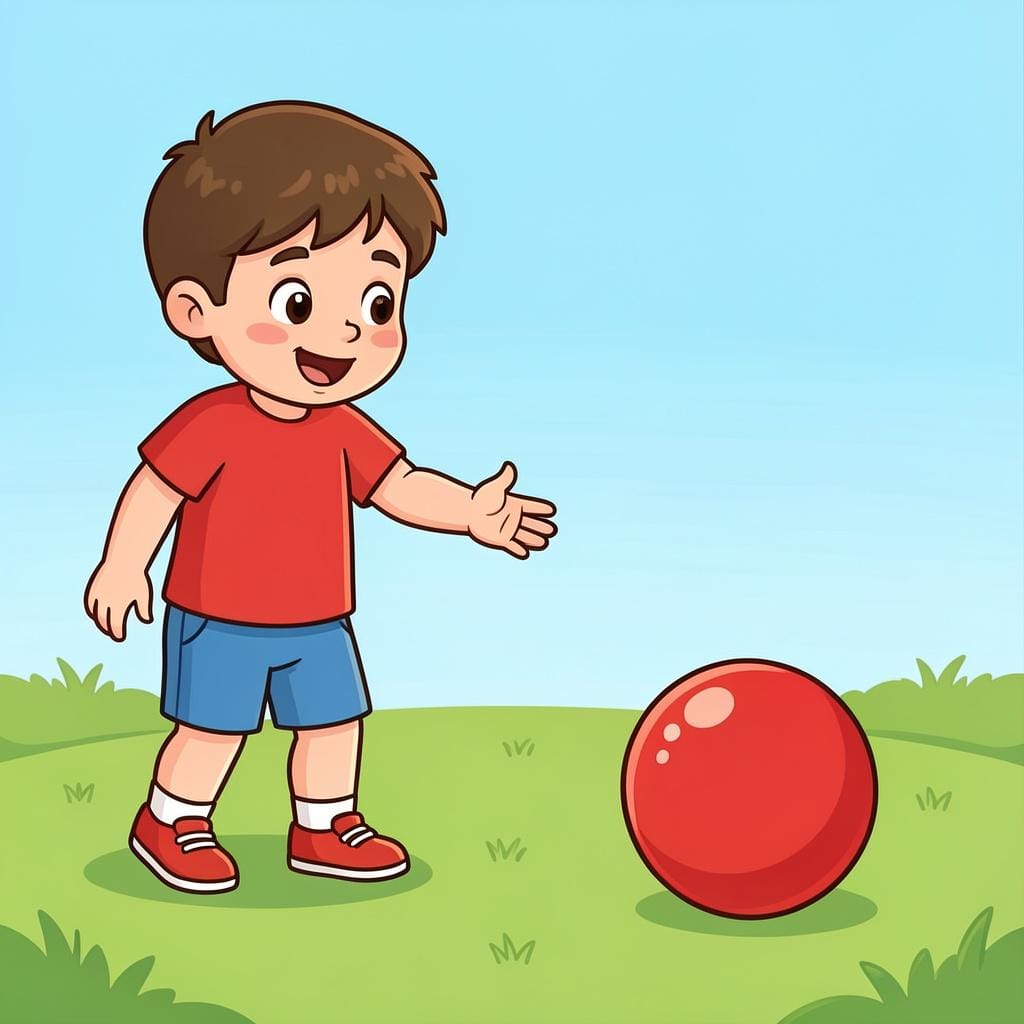
Examples
¡Detén el coche, hay un perro en la calle!
Stop the car, there is a dog in the street!
Detén un segundo lo que haces y mírame.
Stop what you're doing for a second and look at me.
Detén el avance de los enemigos.
Hold back the enemies' progress.
A Special Short Command
Most verbs use their 'he/she' form for commands, but 'detener' is special. Instead of 'detiene', we use 'detén' when telling a friend to stop.
Don't forget the accent
Mistake: “deten”
Correction: detén
mantenga
mahn-TEN-gahmanˈteŋ.ɡa

Examples
Espero que usted mantenga la calma durante la emergencia.
I hope that you (formal) keep calm during the emergency.
El doctor recomienda que mantenga una dieta balanceada.
The doctor recommends that I/he/she/you (formal) maintain a balanced diet.
¡Mantenga la puerta cerrada en todo momento!
Keep the door closed at all times! (Formal command)
Dual Role of 'Mantenga'
'Mantenga' is used for two things: 1) The special verb form (subjunctive) for 'yo' (I) and 'él/ella/usted' (he/she/you formal). 2) The formal command for 'usted' (You, formal).
Irregular 'Go' Verb Pattern
The verb 'mantener' follows the same pattern as 'tener' (to have). In the 'yo' form of the present indicative ('yo mantengo') and all of the present subjunctive forms ('mantenga'), it adds a 'g' before the ending.
Confusing Subjunctive vs. Indicative
Mistake: “Using 'Es necesario que él mantiene la promesa.'”
Correction: Use 'Es necesario que él mantenga la promesa.' (It is necessary that he keep the promise.) Spanish uses the special 'mantenga' form after expressions of necessity, desire, or doubt.
mantengan
man-TEN-ganmanˈteŋ.ɡan

Examples
Es crucial que ustedes mantengan la calma durante la emergencia.
It is crucial that you all keep calm during the emergency.
¡Mantengan una distancia segura de las vías!
Maintain a safe distance from the tracks!
Ojalá que los precios se mantengan estables este año.
Hopefully, prices will remain stable this year.
Formal Command (Ustedes)
When you are giving a formal command to a group of people ('you all'), use 'mantengan'. For example, '¡Mantengan el orden!' (Keep order!)
Expressing Wishes/Doubt
When you want to express hope, doubt, or necessity about what others are doing, use 'mantengan'. This is the special verb form needed after words like 'espero que' (I hope that) or 'es necesario que' (it is necessary that).
Irregularity Alert
The verb 'mantener' follows the same tricky pattern as 'tener' (to have). Notice the 'g' in 'mantenga/mantengan' and the 'uv' in the past tenses (like 'mantuvo').
Using the wrong mood for wishes
Mistake: “Espero que mantienen la promesa.”
Correction: Espero que mantengan la promesa. (When expressing a wish or hope, Spanish requires the special verb form, not the normal present tense.)
celebrar
the-leh-BRARθeleˈβɾaɾ

Examples
El director decidió celebrar la reunión de emergencia a las dos.
The director decided to hold the emergency meeting at two o'clock.
En esta iglesia, el sacerdote celebra misa todos los días.
In this church, the priest celebrates (holds) mass every day.
Formal Context
When used this way, 'celebrar' implies a formal or structured event, like a court session or a large conference.
agarre
ah-GAH-rrehaˈɡare

Examples
Estas zapatillas tienen un agarre excelente en el gimnasio.
These sneakers have an excellent grip in the gym.
El coche perdió el agarre en la curva mojada.
The car lost traction on the wet curve.
Asegúrate de que el agarre sea firme antes de subir.
Make sure the hold is firm before climbing up.
Using 'el' with agarre
Even though it sounds like a verb, this is a masculine noun, so always use 'el' or 'un'.
Grip vs Handle
Mistake: “Using 'agarre' for a door handle.”
Correction: Use 'pomo' or 'manilla' for door hardware; 'agarre' is the action or quality of gripping.
vientre
bee-EN-trehˈbjɛn.tɾe
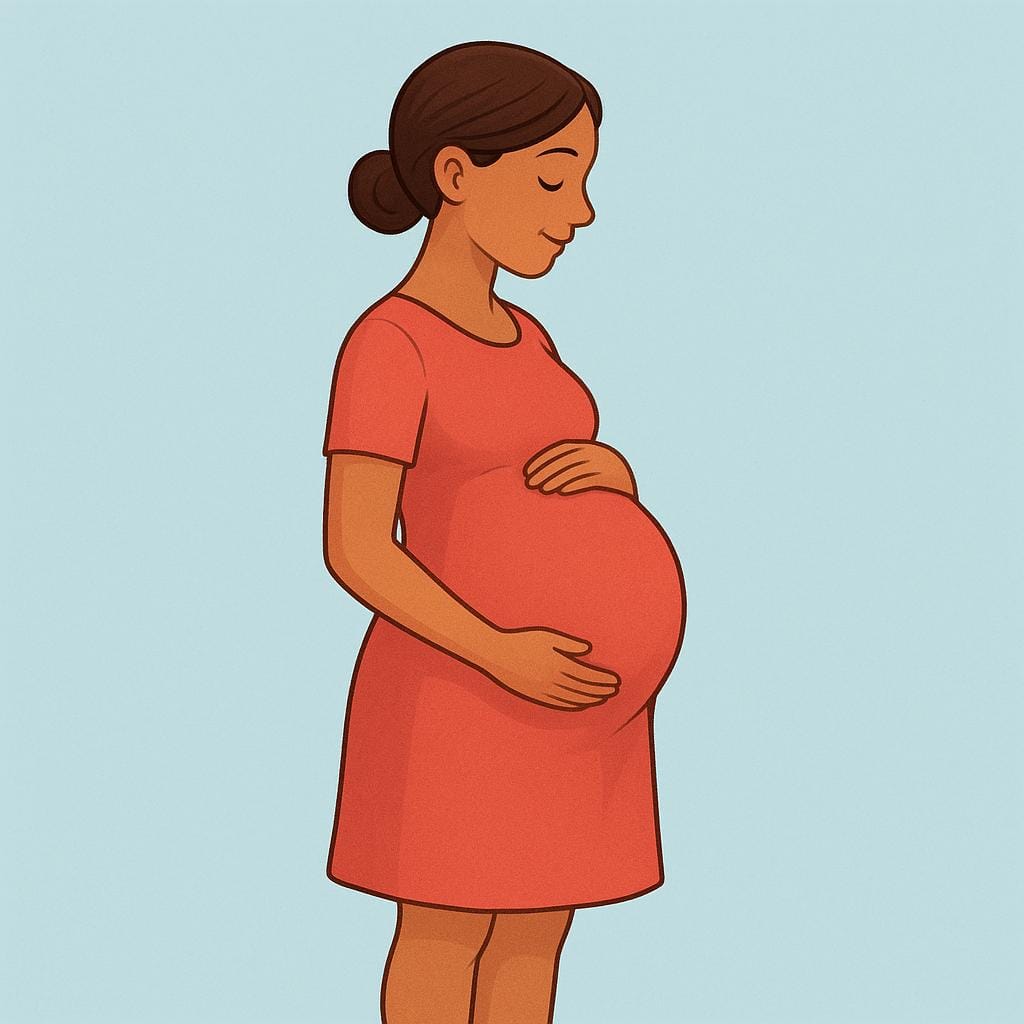
Examples
La madre llevó a su hijo en el vientre durante nueve meses.
The mother carried her son in her womb for nine months.
El cargamento fue guardado en el vientre oscuro del buque.
The cargo was stored in the dark hold (belly) of the vessel.
Verb Command Forms
Learn Spanish with Inklingo
Interactive stories, personalized learning, and more.