How to Say "trunk" in Spanish
The most common Spanish word for “trunk” is “baúl” — use 'baúl' for a large storage or travel chest, especially one made of wood, or for the storage compartment of a car.

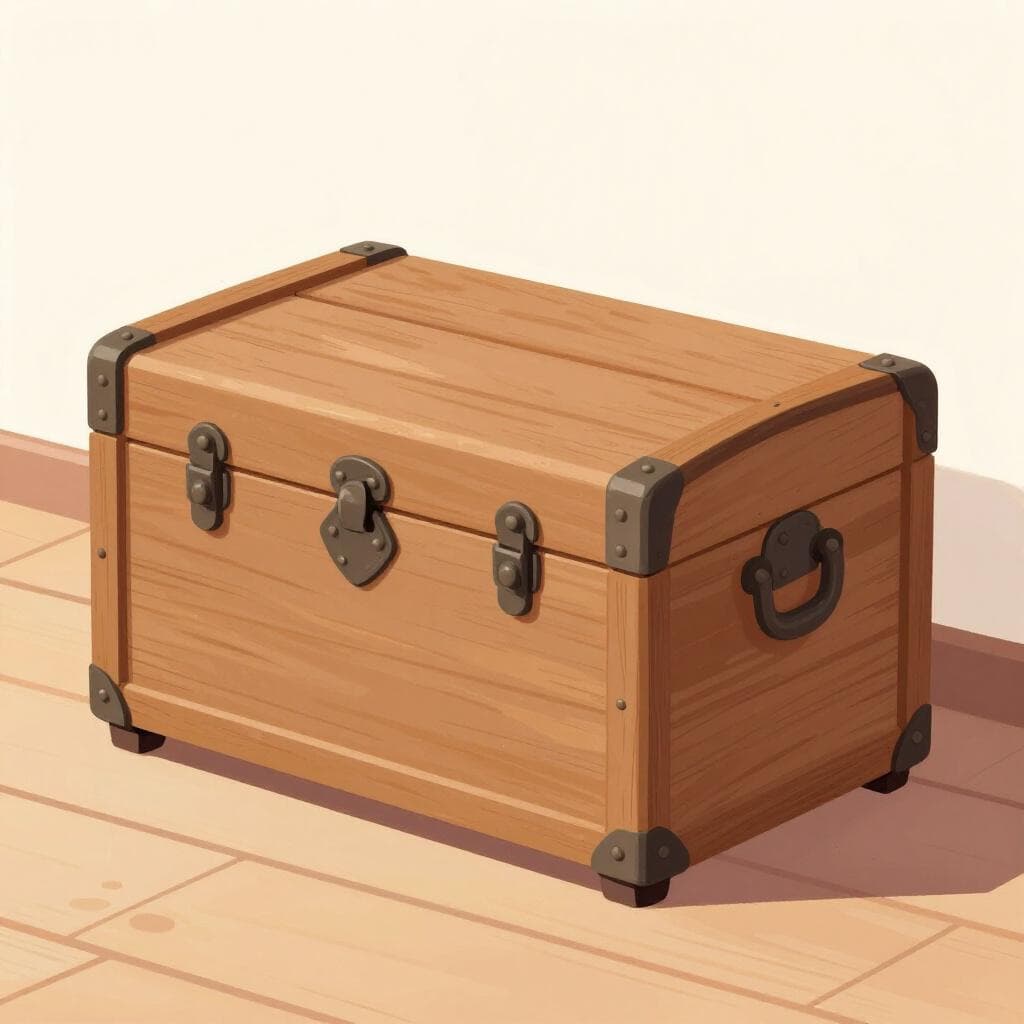
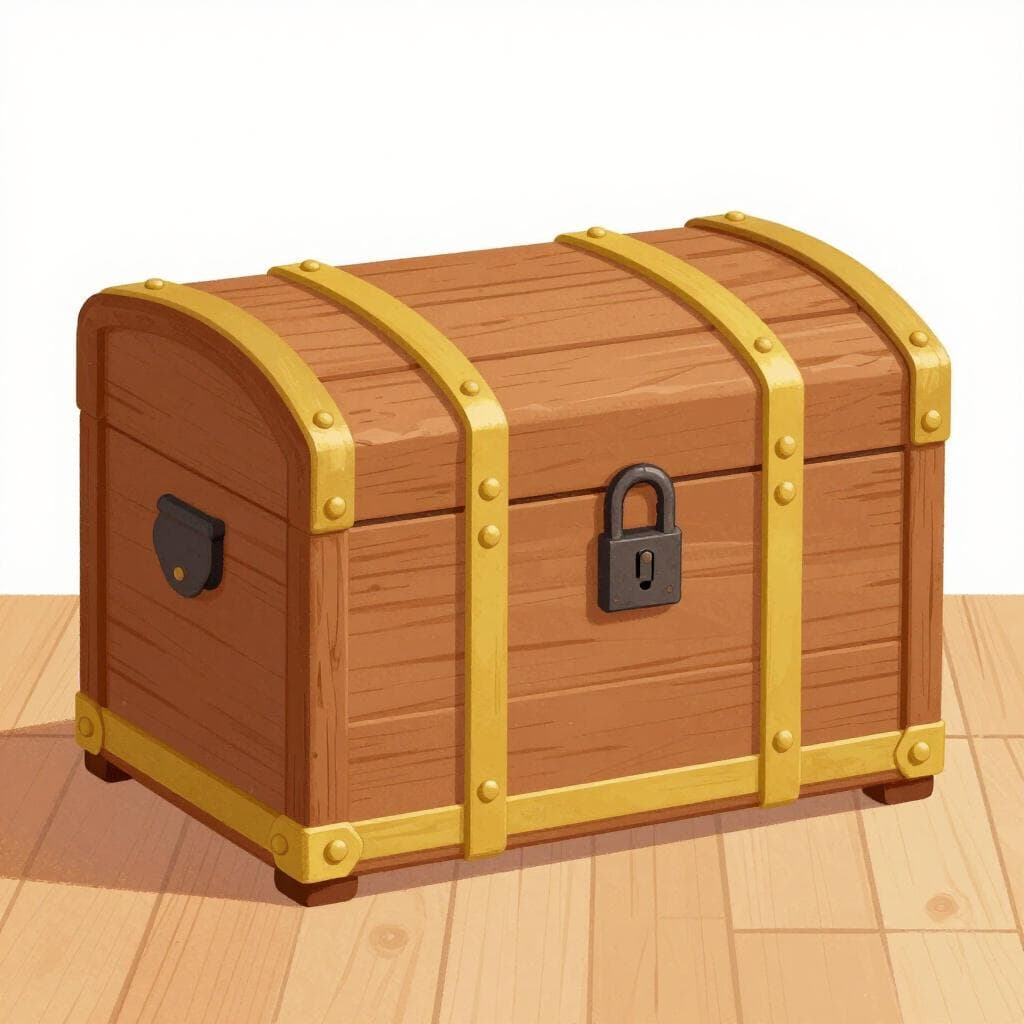


baúl
Examples
Pon las bolsas del súper en el baúl.
Put the grocery bags in the trunk.
maletero
mah-leh-teh-rohmaleˈteɾo

Examples
Pon las bolsas de la compra en el maletero.
Put the shopping bags in the trunk.
El maletero de este coche es muy pequeño para tantas maletas.
The trunk of this car is too small for so many suitcases.
No puedo cerrar el maletero porque está demasiado lleno.
I can't close the boot because it's too full.
Always Masculine
Even though it refers to a space that holds 'maletas' (feminine), the word 'maletero' is always masculine.
Using 'en' with Maletero
To say something is 'in the trunk', simply use the preposition 'en' followed by 'el maletero'.
Don't use 'maleta' for the car part
Mistake: “Puse las llaves en la maleta del coche.”
Correction: Puse las llaves en el maletero del coche. A 'maleta' is a suitcase; a 'maletero' is the car's storage space.
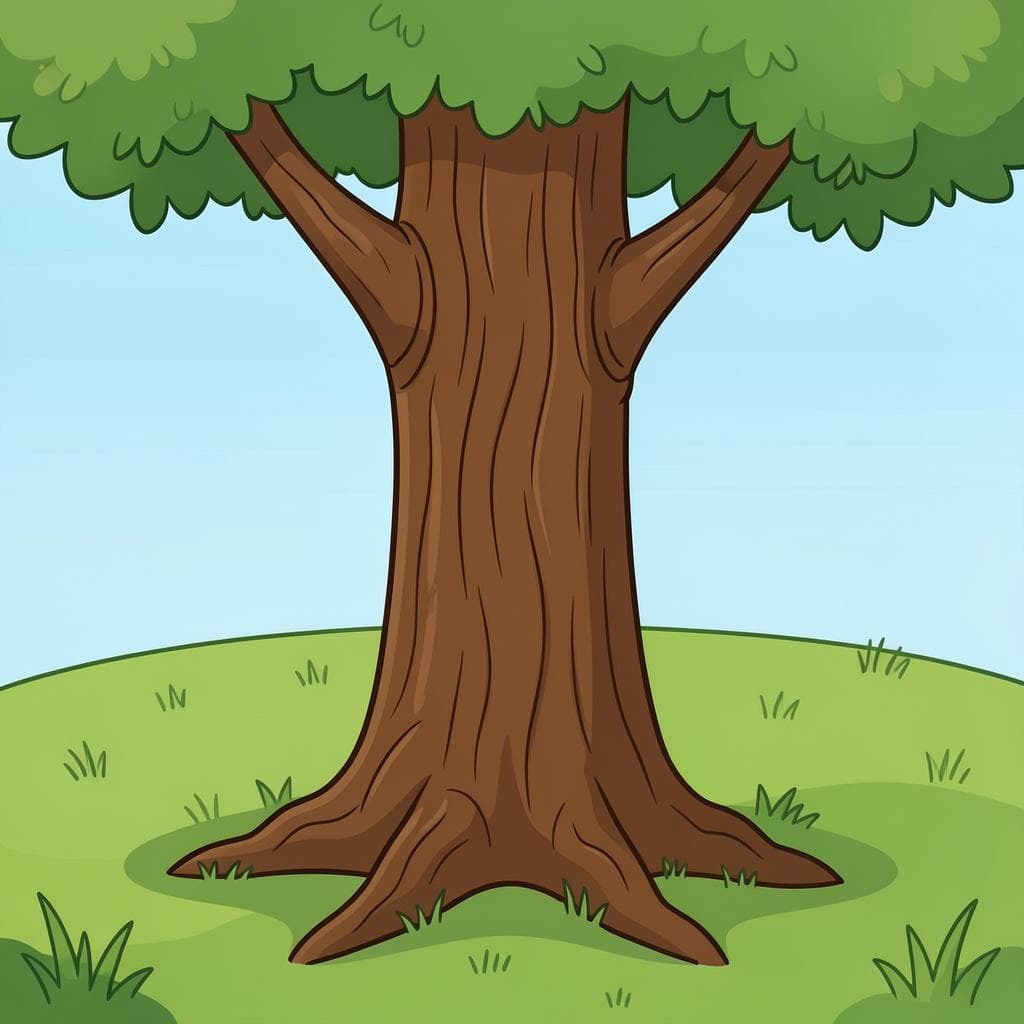
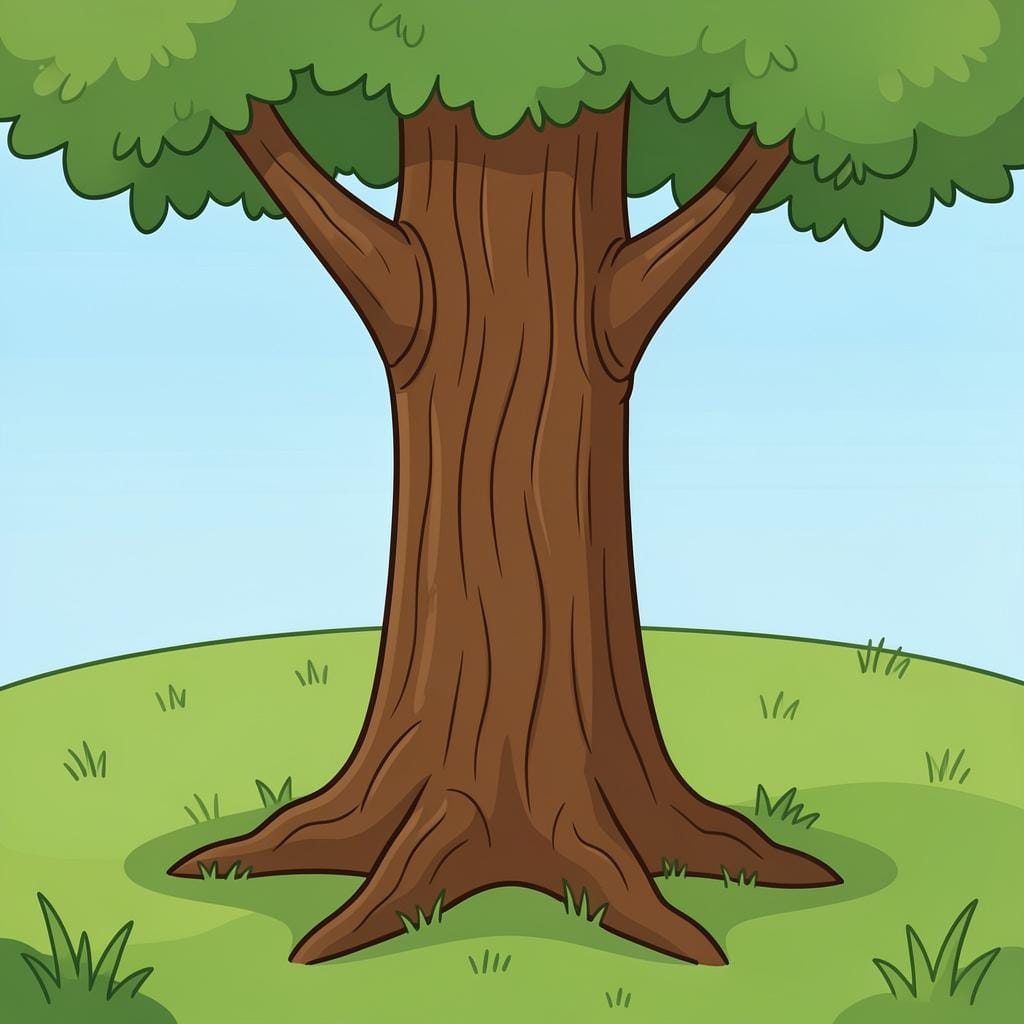
tronco
TRON-koˈtɾoŋko
Examples
El tronco de este pino es muy grueso.
The trunk of this pine tree is very thick.
Necesitamos más troncos para la chimenea.
We need more logs for the fireplace.
Mantén el tronco recto mientras haces pesas.
Keep your torso straight while lifting weights.
Masculine Ending
Like most words ending in '-o', this word is masculine. Use 'el' or 'un' with it.
arca
AR-kaˈaɾka

Examples
Guardamos las sábanas viejas en el arca de madera.
We keep the old sheets in the wooden chest.
El pirata escondió el oro en un arca pesada.
The pirate hid the gold in a heavy chest.
Es un arca antigua que perteneció a mi bisabuela.
It is an ancient trunk that belonged to my great-grandmother.
The 'El' instead of 'La' Rule
Even though 'arca' is a feminine word, we use 'el' in the singular form (el arca) because the word starts with a strong 'A' sound. This makes it easier to pronounce, avoiding the 'la-arca' sound.
Adjectives stay feminine
Even though you use 'el arca', any describing words (adjectives) must still be feminine. You say 'el arca antigua' (the old chest), not 'el arca antiguo'.
Using 'La' with the singular word
Mistake: “La arca es grande.”
Correction: El arca es grande. (We use 'el' for singular words that start with a stressed 'A' sound).
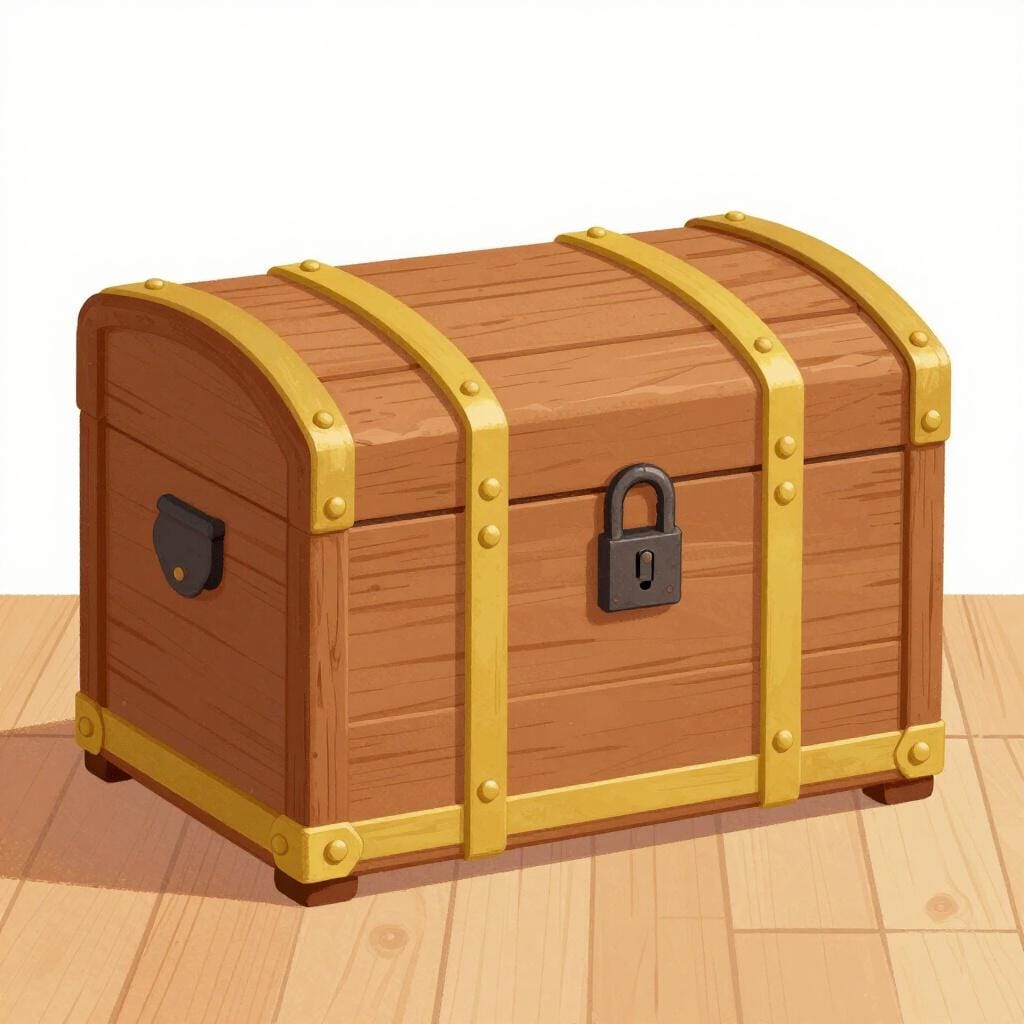
cofre
KOH-frehˈkofɾe
Examples
Los piratas escondieron el cofre de oro en la isla.
The pirates hid the chest of gold on the island.
Ella guarda sus fotos antiguas en un cofre de madera.
She keeps her old photos in a wooden chest.
Este cofre tiene una cerradura muy vieja.
This trunk has a very old lock.
Gender and Articles
This word is 'masculine,' meaning you should always use 'el' or 'un' with it (el cofre).
Cofre vs. Caja
Mistake: “Using 'caja' for a treasure chest.”
Correction: Use 'cofre' for reinforced or decorative storage boxes; 'caja' is usually for cardboard or simple plastic boxes.
maleta
mah-LEH-tahmaˈleta

Examples
Mi maleta está demasiado pesada para el avión.
My suitcase is too heavy for the plane.
Abre la maleta, por favor. Quiero ver lo que empacaste.
Open the bag, please. I want to see what you packed.
Siempre viajo con una maleta de mano para evitar la fila de equipaje.
I always travel with a carry-on bag to avoid the luggage line.
Gender Rule
Remember that 'maleta' is always feminine. You must use feminine words with it: 'una maleta' (a suitcase), 'la maleta roja' (the red suitcase).
Using the wrong word for small bags
Mistake: “Using 'maleta' for a small purse or wallet.”
Correction: Use 'bolso' or 'cartera' for smaller, everyday bags. 'Maleta' is reserved for travel luggage.
tallo
TAH-yohˈtaʝo

Examples
La flor tiene un tallo muy largo.
The flower has a very long stem.
Corta los tallos de las rosas antes de ponerlas en el agua.
Cut the rose stems before putting them in the water.
El tallo del apio es crujiente y delicioso.
The celery stalk is crunchy and delicious.
Always Masculine
Even though it ends in 'o', it's worth remembering this is always a 'masculine' word. You must use 'el' or 'un' with it.
Plural Form
To talk about more than one, simply add an 's' to get 'los tallos'.
Tallo vs. Talle
Mistake: “Using 'tallo' to talk about clothing size.”
Correction: Use 'talle' or 'talla' for clothing sizes; 'tallo' is only for plants or the action of carving.
Car 'Trunk' vs. Storage Chests
Learn Spanish with Inklingo
Interactive stories, personalized learning, and more.