disgusto
“disgusto” means “upset” in Spanish. It has 2 different meanings depending on context:

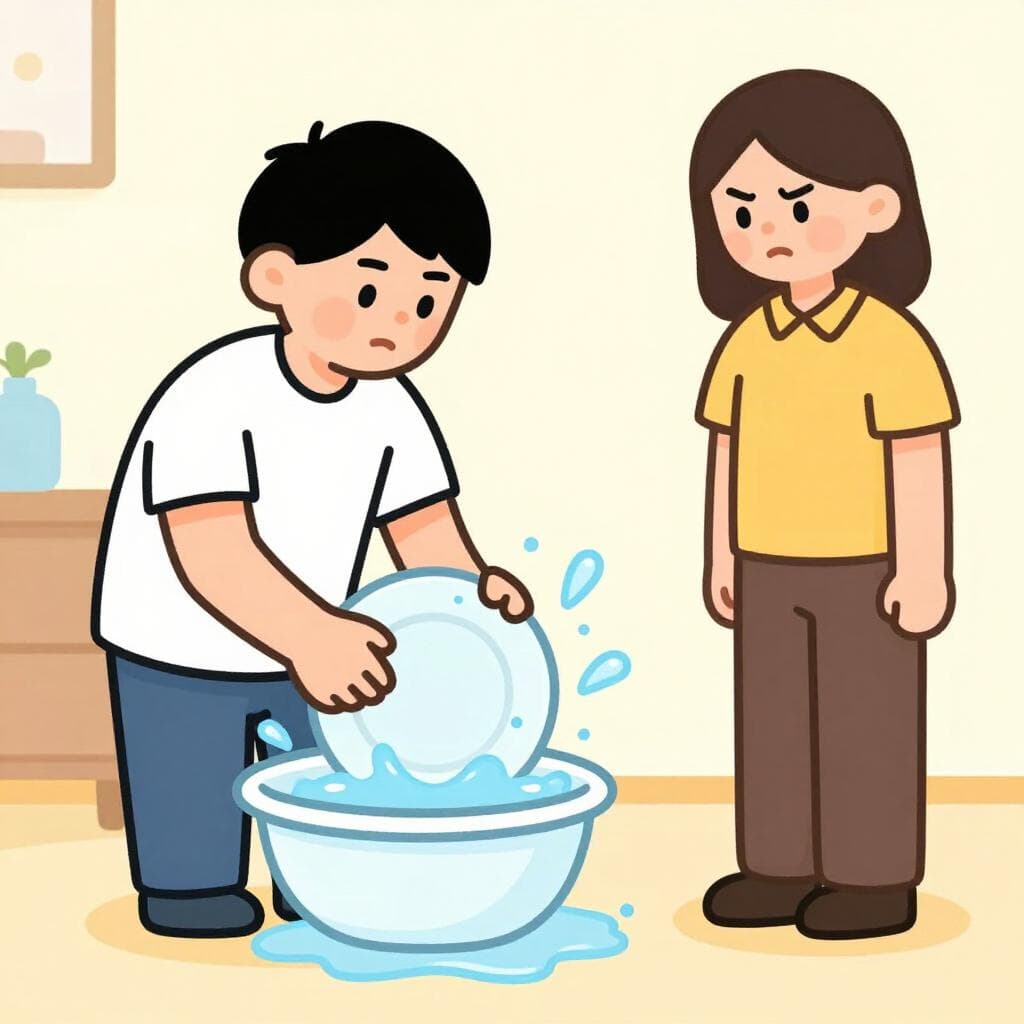
upset, trouble
Also: annoyance, disappointment
📝 In Action
Mi abuelo se llevó un gran disgusto cuando perdió su reloj.
A2My grandfather was very upset when he lost his watch.
No quiero darle un disgusto a mi madre con mis notas.
B1I don't want to cause my mother any trouble with my grades.
Tuvimos un pequeño disgusto por un malentendido.
B2We had a small falling out over a misunderstanding.
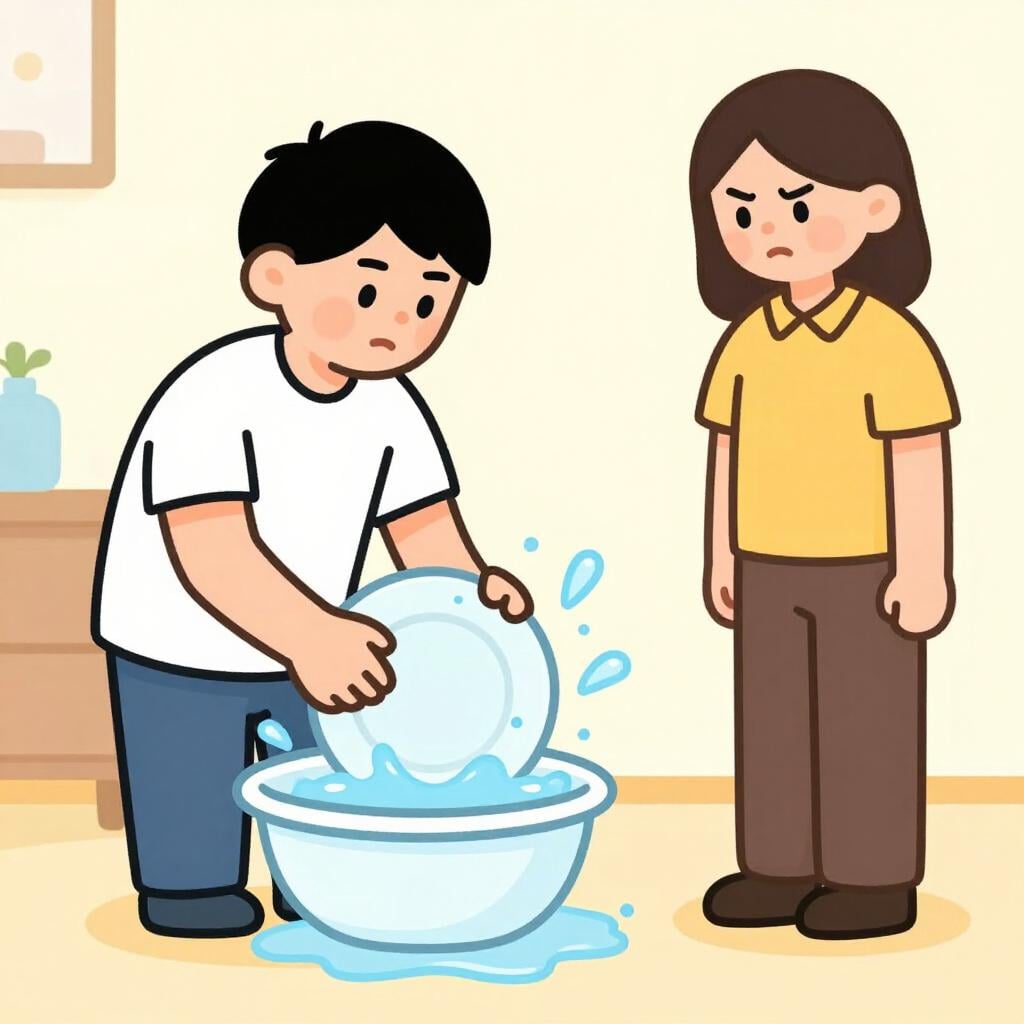
I displease, I upset
📝 In Action
Yo no disgusto a la gente a propósito.
B1I don't displease people on purpose.
Subjunctive
Imperfect Subjunctive
Present Subjunctive
Indicative
Preterite
Imperfect
Present
Translate to Spanish
Words that translate to "disgusto" in Spanish:
annoyance→disappointment→i displease→i upset→trouble→upset→✏️ Quick Practice
Quick Quiz: disgusto
Question 1 of 3
If someone tells you 'Me llevé un disgusto', how do they feel?
📚 More Resources
👥 Word Family▼
📚 Etymology▼
From Latin 'dis-' (expressing negation or reversal) and 'gustus' (taste). It originally referred to a 'bad taste' before evolving into emotional unpleasantness.
First recorded: 13th century
Cognates (Related words)
💡 Master Spanish
Take your Spanish to the next level. Read 200+ illustrated and narrated Spanish stories tailored to your level with the Inklingo app!
Frequently Asked Questions
Does 'disgusto' mean the same as the English word 'disgust'?
Not exactly. The English 'disgust' usually implies something is gross or morally offensive. The Spanish 'disgusto' is milder, usually meaning 'upset', 'trouble', or 'annoyance'.
Is 'disgusto' a strong word?
It can be. It's often used for serious family problems or big disappointments, but it's not as strong as 'tragedia' (tragedy).
How do I say 'I am disgusted by that food'?
You should use the word 'asco'. For example: 'Esa comida me da asco'.