gustar
“gustar” means “to like” in Spanish. It has 3 different meanings depending on context:

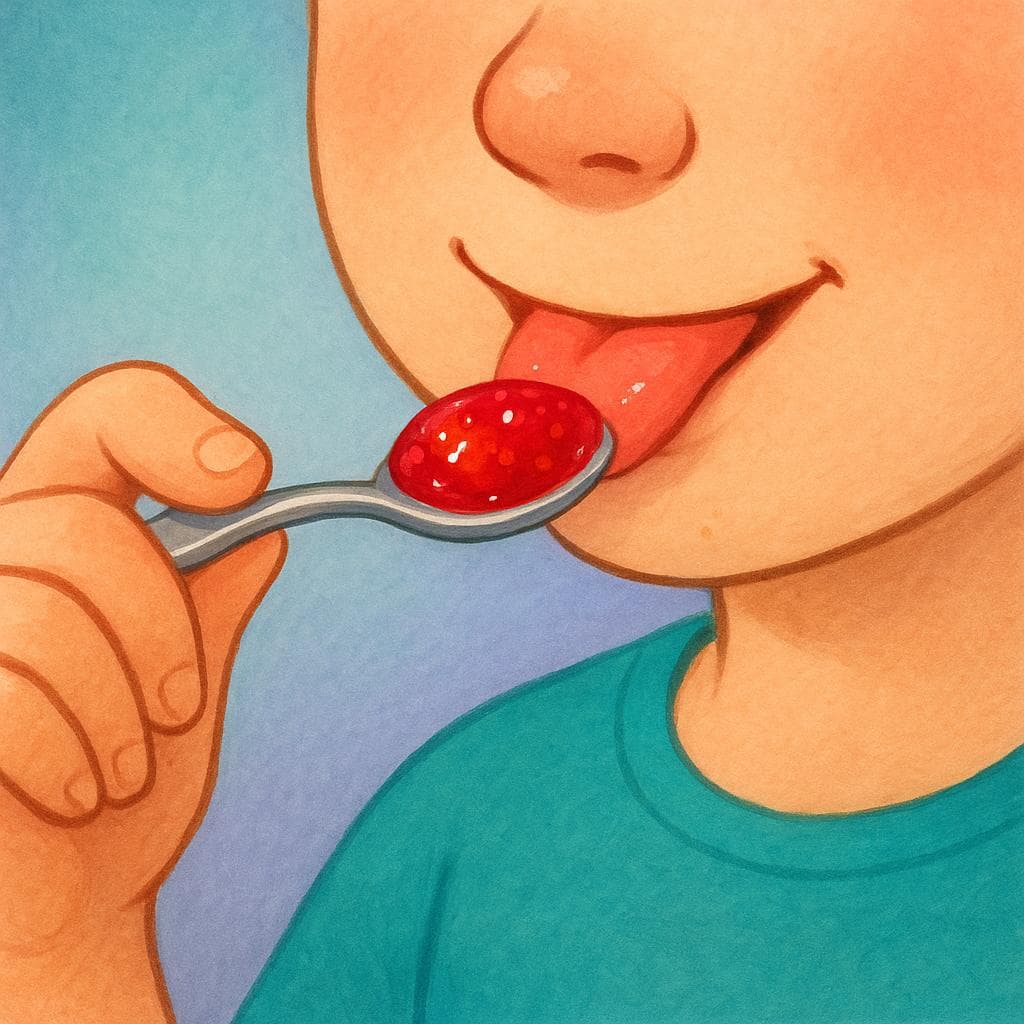

to like, to be pleasing toAlso: to enjoy

📝 In Action
Me gusta mucho el chocolate.
A1I really like chocolate. (Literally: Chocolate is very pleasing to me.)
Nos gustan las películas de acción.
A1We like action movies. (The verb 'gustan' is plural because 'películas' is plural.)
¿Te gusta viajar a otros países?
A2Do you like traveling to other countries?
Word Connections
to taste, to appeal to
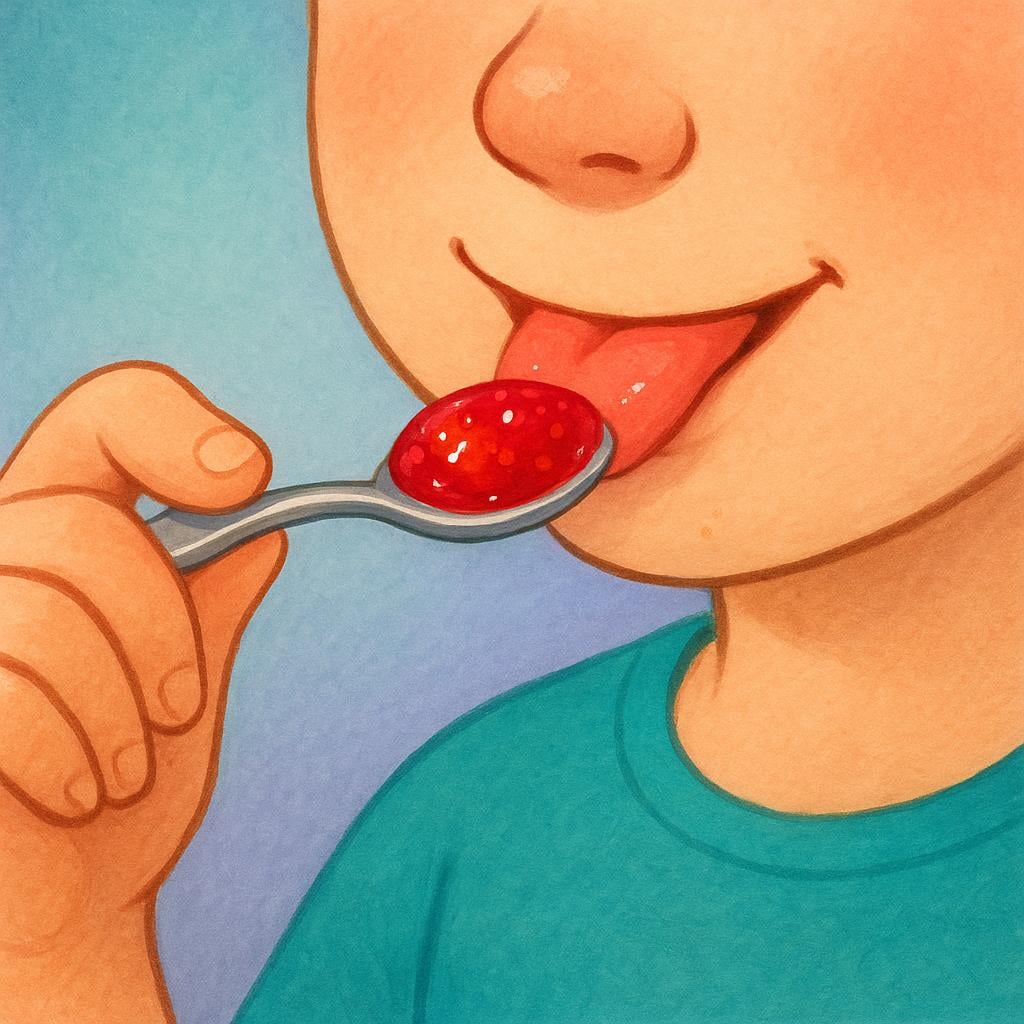
📝 In Action
El chef quería gustar el plato a los comensales.
B1The chef wanted the dish to appeal to the diners.
No pude gustar el vino antes de comprarlo.
B2I couldn't taste the wine before buying it.
Word Connections
to like each other, to be attractive

📝 In Action
Ellos se gustan desde hace meses, pero nadie se lo dice.
B2They have liked each other for months, but no one tells them.
Cuando uno se gusta, irradia confianza.
C1When one likes oneself (is confident), one radiates confidence.
Word Connections
Indicative
Present
Imperfect
Preterite
Subjunctive
Present Subjunctive
Imperfect Subjunctive
🔀 Commonly Confused With
Translate to Spanish
🗣️ Practice in a Tongue Twister
✏️ Quick Practice
Quick Quiz: gustar
Question 1 of 2
Which Spanish sentence correctly translates 'I like apples'?
📚 More Resources
👥 Word Family
📚 Etymology
Comes from the Latin verb *gustāre*, which originally meant 'to taste' or 'to sample.' Over time, its meaning shifted in Spanish to mean 'to cause pleasure' or 'to be pleasing,' leading to its unique grammatical structure today.
First recorded: 10th century
Cognates (Related words)
💡 Master Spanish
Take your Spanish to the next level. Read 200+ illustrated and narrated Spanish stories tailored to your level with the Inklingo app!
Frequently Asked Questions
Why does 'gustar' seem to work backwards compared to 'to like' in English?
It's because 'gustar' literally means 'to be pleasing to.' So, instead of saying 'I like coffee,' Spanish says, 'Coffee is pleasing to me.' This is why the verb form changes based on the thing you like, not the person.
If I want to say 'We liked the food yesterday,' how do I use the past tense?
You use the preterite tense, which describes a single completed action. Since 'food' is singular, you would say: 'Nos gustó la comida ayer.' (The food was pleasing to us yesterday.)