How to Say "trouble" in Spanish
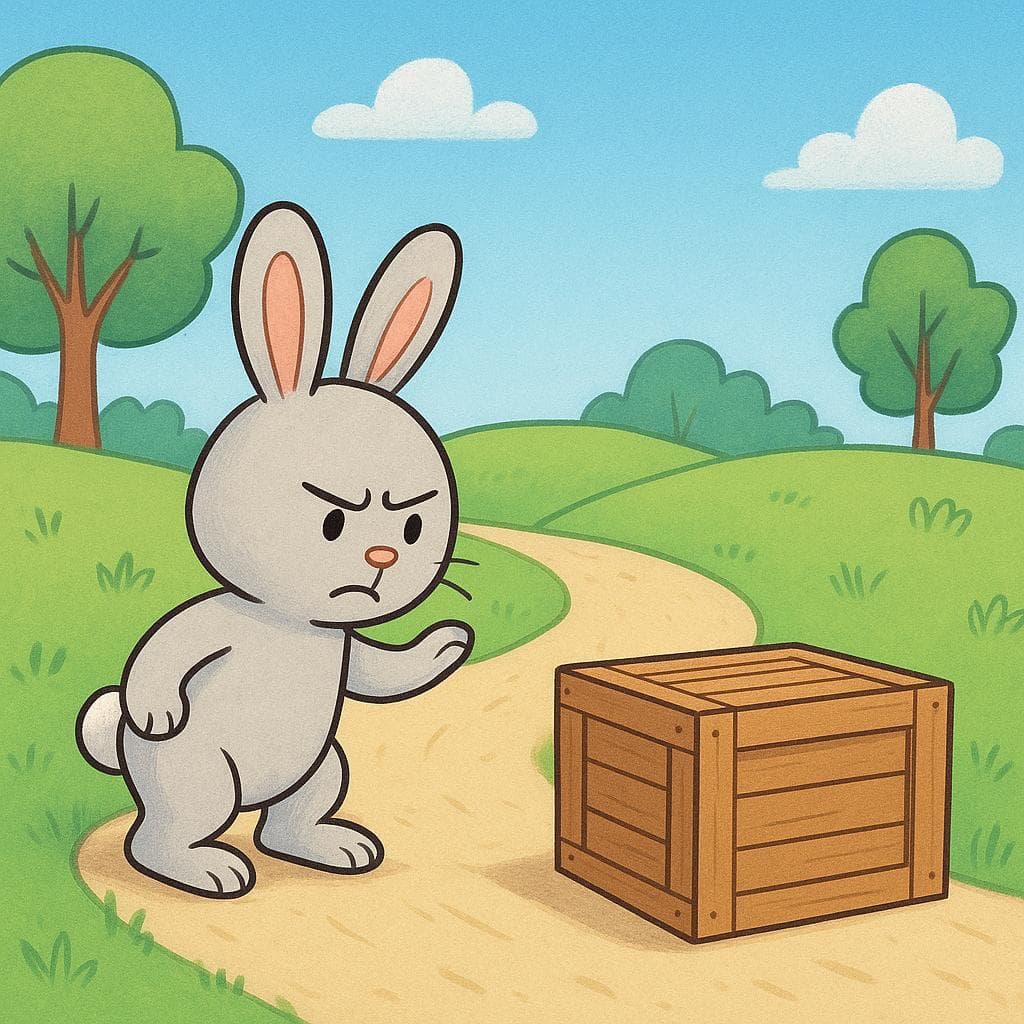
The most common Spanish word for “trouble” is “problema” — use 'problema' when referring to a general difficulty or issue that needs to be solved, like a personal challenge or a technical glitch.


problema
pro-BLEH-mahpɾoˈβle.ma

Examples
Tengo un pequeño problema, ¿me puedes ayudar?
I have a small problem, can you help me?
No te preocupes, no hay problema.
Don't worry, there's no problem.
El principal problema es la falta de comunicación.
The main problem is the lack of communication.
Gender Surprise: It's 'el problema'!
Even though 'problema' ends in '-a', it's a masculine word. Always use 'el' or 'un' with it, like 'el problema' or 'un gran problema'. This is a rule for many words ending in '-ma' that come from the Greek language.
Using 'la' instead of 'el'
Mistake: “Tengo la problema.”
Correction: Tengo el problema. Just remember the pattern: words ending in '-ma' are often masculine boys in disguise!
molestia
moh-LEHS-tee-ahmoˈlestja
Examples
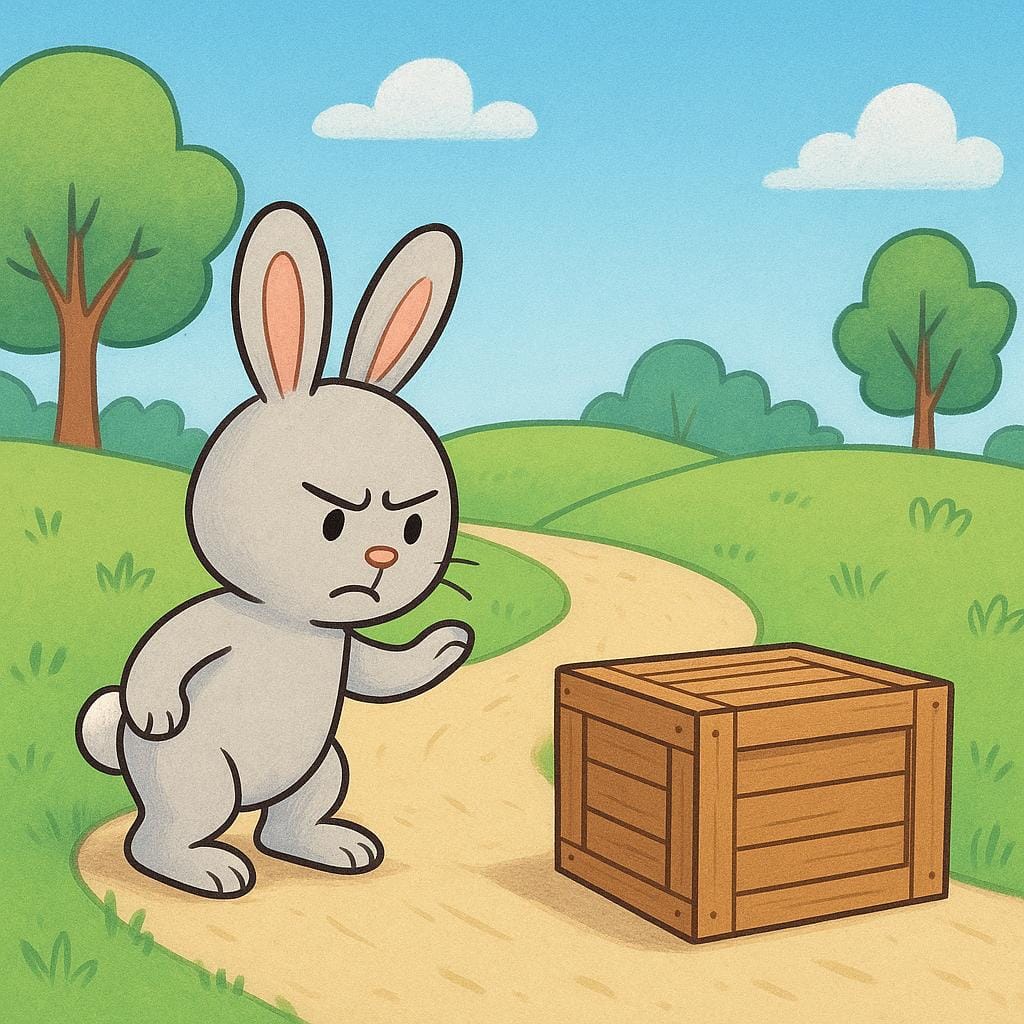
Disculpe la molestia, pero ¿me podría ayudar con esta caja?
Excuse the inconvenience, but could you help me with this box?
La constante música alta de los vecinos es una gran molestia.
The constant loud music from the neighbors is a great annoyance.
Tomarse la molestia de llamarme fue muy amable de tu parte.
Taking the trouble (or bother) to call me was very kind of you.
Using 'Molestia' in Apologies
When apologizing for something you did that caused trouble, use the plural form: 'Siento mucho las molestias' (I am very sorry for the inconveniences/trouble).
Confusing 'Molestia' and 'Molestación'
Mistake: “Using 'molestación' when you mean 'inconvenience'.”
Correction: While 'molestación' exists, it usually refers to sexual harassment or serious badgering. For general trouble or annoyance, always use 'molestia'.
drama
DRAH-mahˈdɾa.ma
Examples
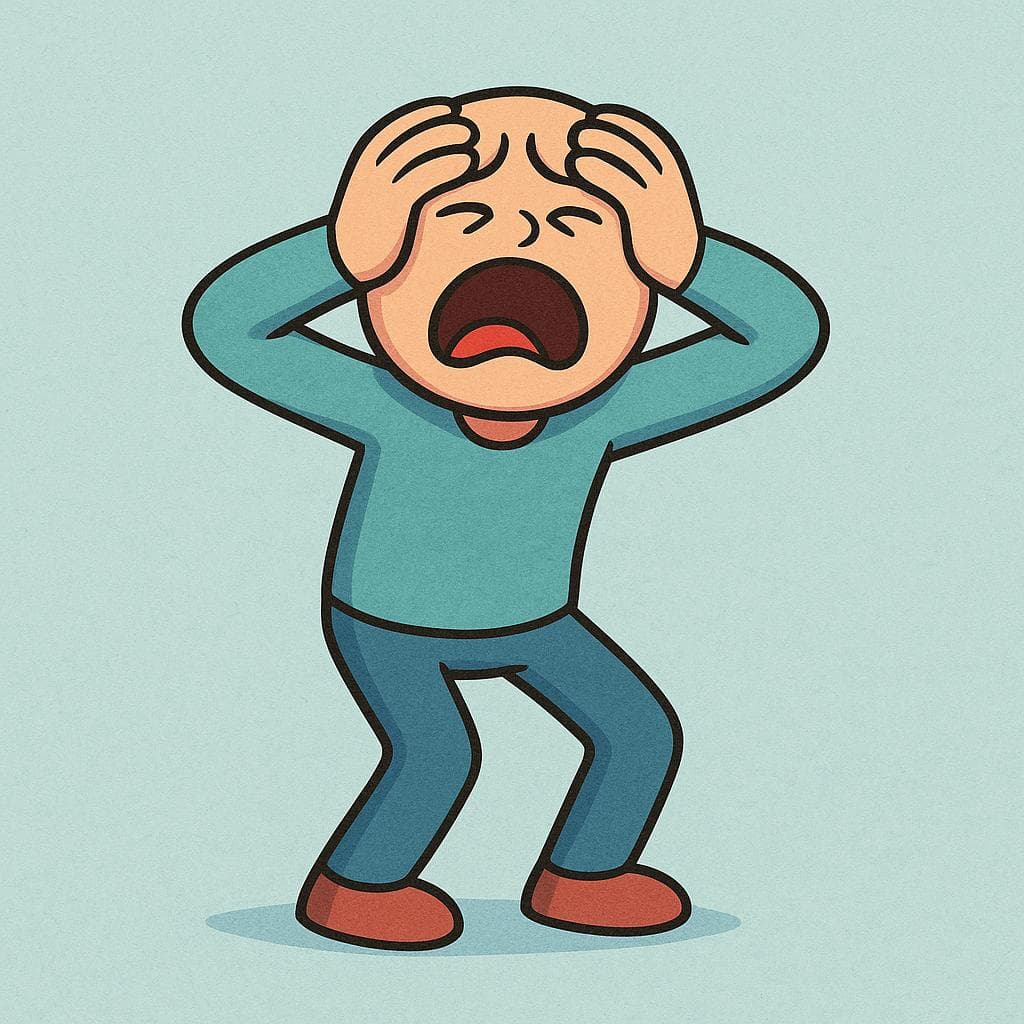
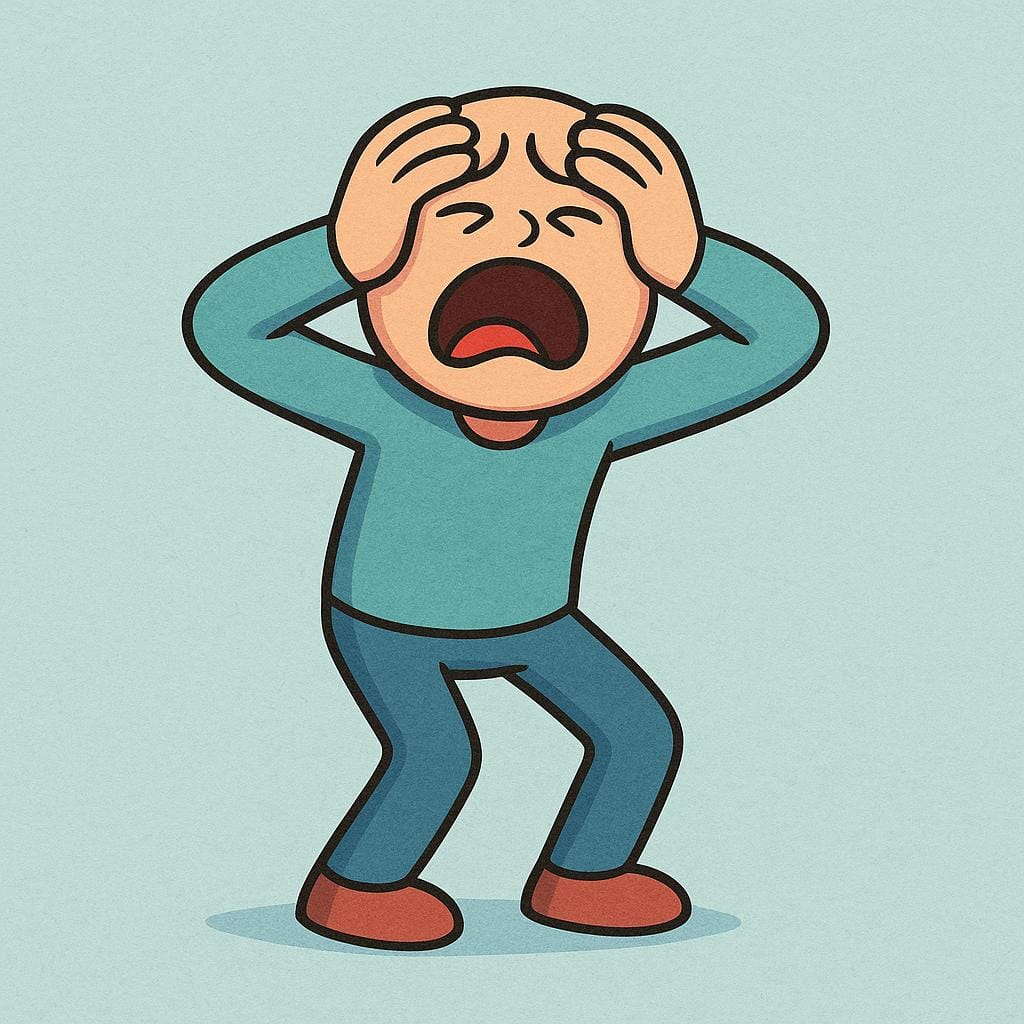
Por favor, no hagas un drama por llegar cinco minutos tarde.
Please, don't make a fuss (or 'drama') about being five minutes late.
Ella siempre tiene algún drama con sus amigos.
She always has some kind of trouble/drama with her friends.
Mi hermana es una reina del drama; todo es exagerado.
My sister is a drama queen; everything is exaggerated.
Using 'Hacer'
The most common way to talk about creating a scene is 'hacer un drama' (to make a drama), similar to 'hacer un escándalo'.
Confusing Gender
Mistake: “La drama es muy aburrida.”
Correction: El drama es muy aburrido. Remember to use the masculine article 'el' and masculine adjectives.
disgusto
dees-GOOS-tohdisˈɡusto

Examples
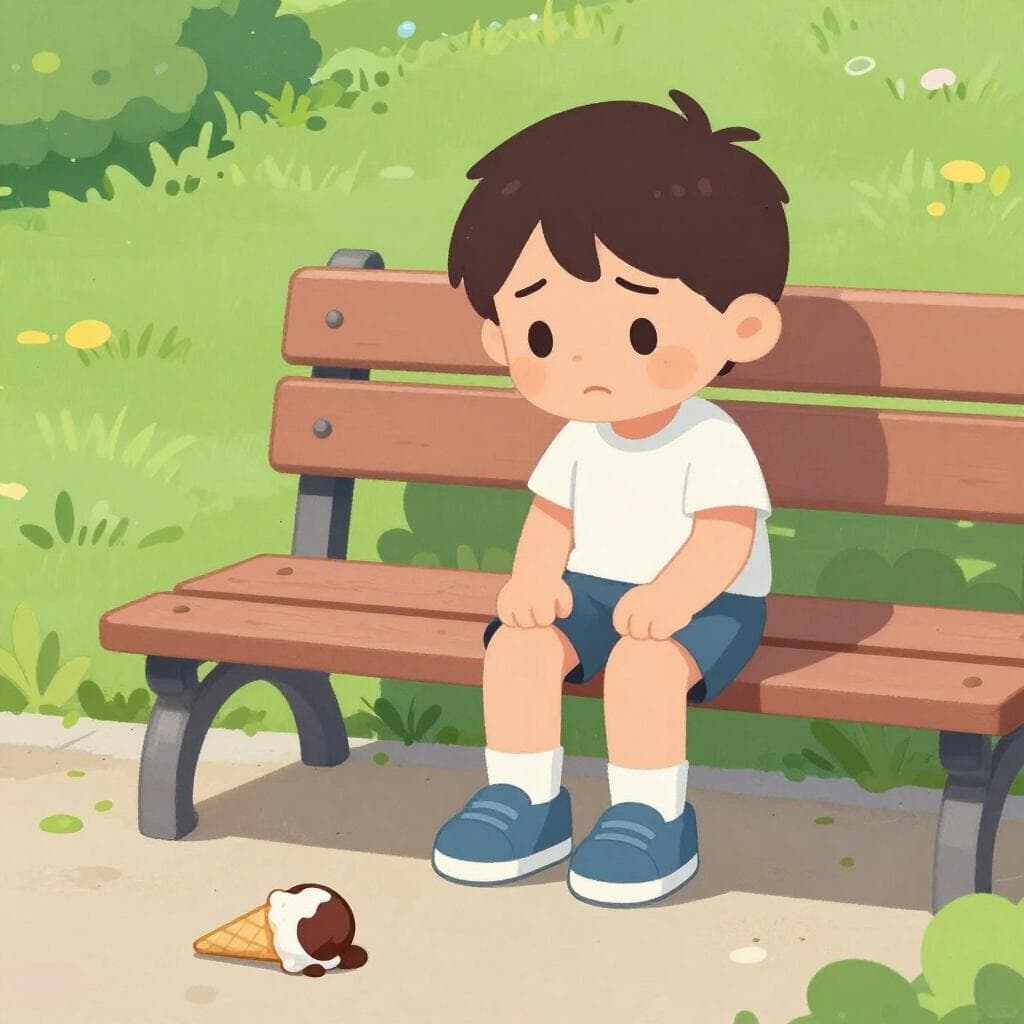
Mi abuelo se llevó un gran disgusto cuando perdió su reloj.
My grandfather was very upset when he lost his watch.
No quiero darle un disgusto a mi madre con mis notas.
I don't want to cause my mother any trouble with my grades.
Tuvimos un pequeño disgusto por un malentendido.
We had a small falling out over a misunderstanding.
False Friend Alert!
In Spanish, 'disgusto' is usually about sadness or annoyance, not 'disgust' (revulsion). If you want to say something is gross, use 'asco'.
Using 'Dar' vs 'Llevarse'
Use 'dar' when you are the cause of the upset ('I gave him an upset') and 'llevarse' when you are the one experiencing the upset ('I took/received an upset').
Confusing 'Disgusto' with 'Asco'
Mistake: “Esa comida me da disgusto.”
Correction: Esa comida me da asco.
lío
Examples
Si no pagas la multa a tiempo, te meterás en un lío legal.
If you don't pay the fine on time, you will get into legal trouble.
pena
PEH-nahˈpena

Examples
Aprender un nuevo idioma vale la pena.
Learning a new language is worth the effort.
Merece la pena visitar ese museo.
It's worthwhile to visit that museum.
A duras penas llegamos a tiempo.
We barely managed to arrive on time.
nubes
NOO-besˈnuβes

Examples
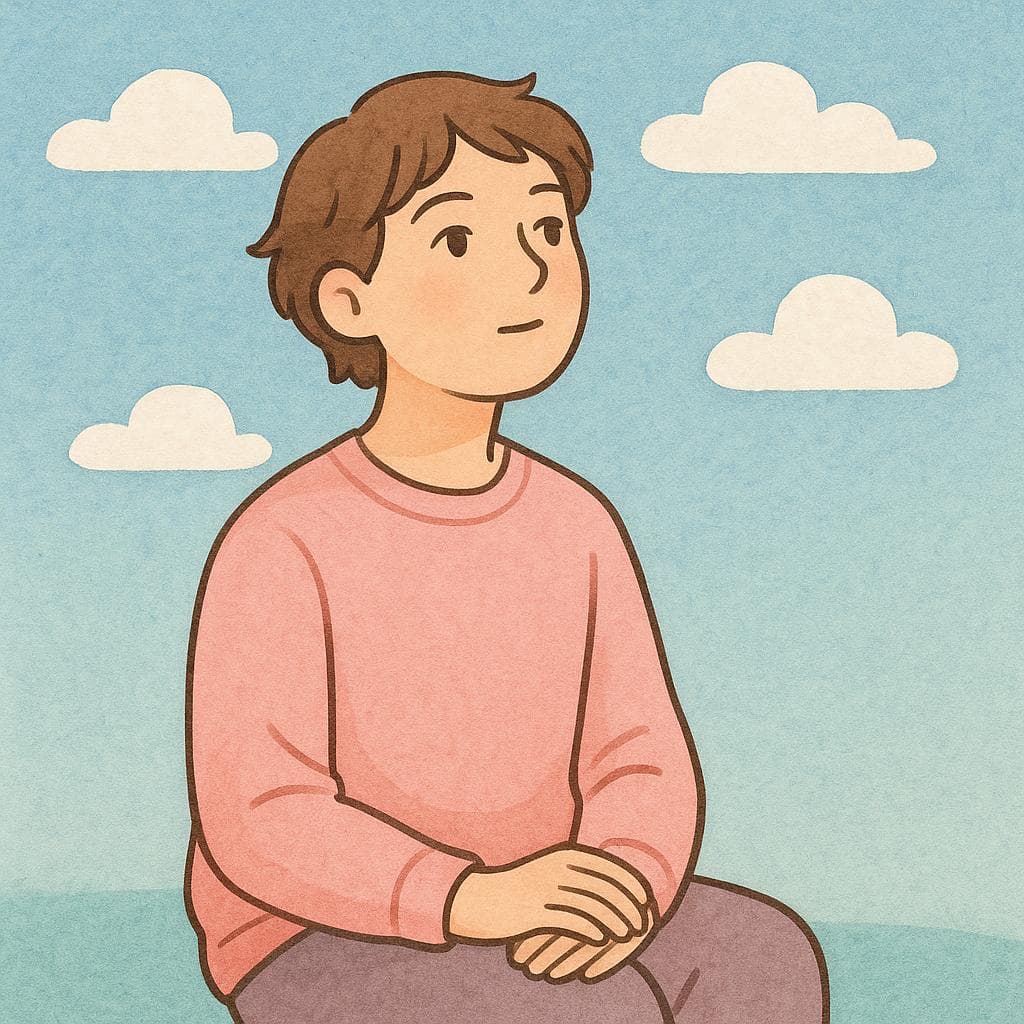
María siempre está en las nubes y no presta atención a la clase.
Maria is always daydreaming (in the clouds) and doesn't pay attention in class.
Se avecinan nubes en la economía mundial, debemos prepararnos.
Trouble (clouds) is approaching in the global economy; we must prepare ourselves.
Using 'Estar'
When using the common idiom 'estar en las nubes,' you must use the verb 'estar' (to be temporarily) because it describes a temporary state of mind.
General Problem vs. Specific Upset
Related Translations
Learn Spanish with Inklingo
Interactive stories, personalized learning, and more.