disgustar
“disgustar” means “to dislike” in Spanish (having a negative reaction to something or someone).
to dislike
Also: to upset, to annoy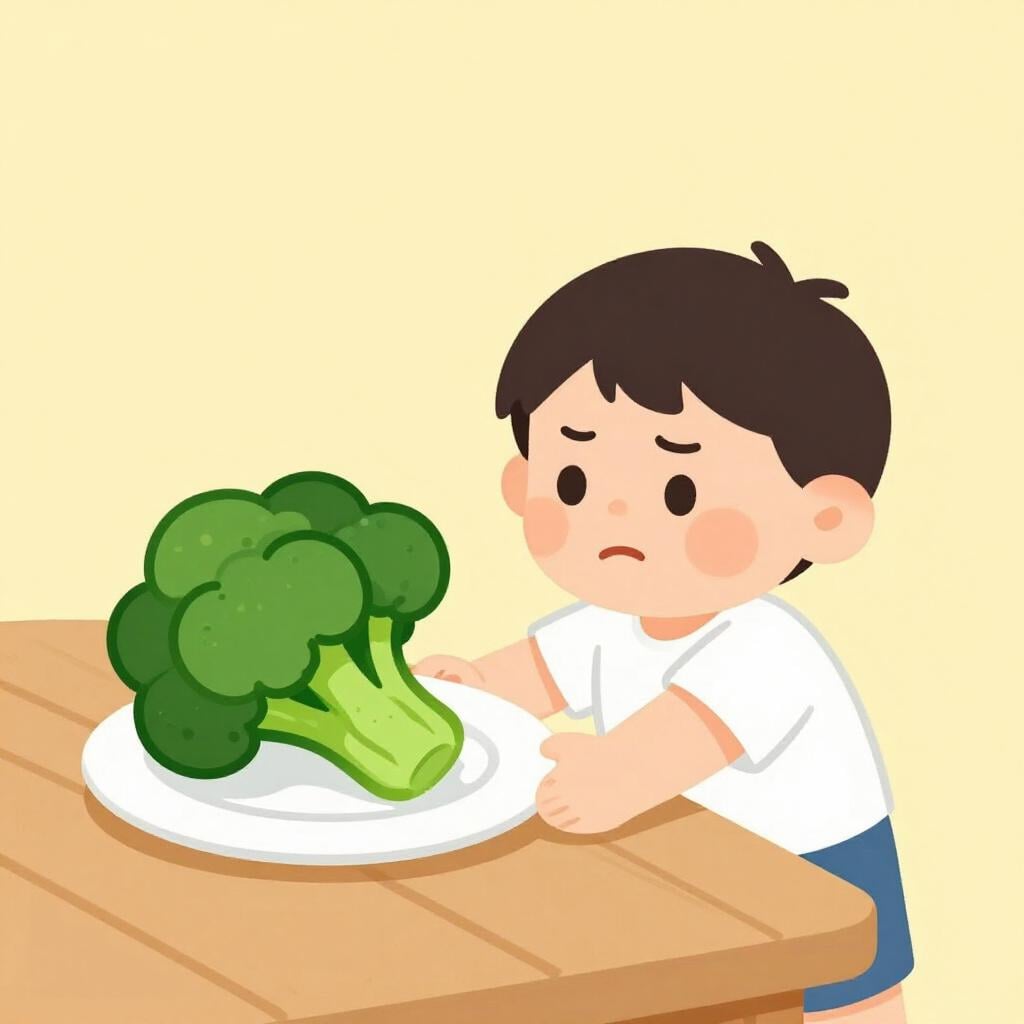
📝 In Action
Me disgusta mucho la impuntualidad.
A2I dislike tardiness very much.
A mis padres les disgusta que no comas verduras.
B1It upsets my parents that you don't eat vegetables.
No quiero disgustar a nadie con mi opinión.
B2I don't want to upset anyone with my opinion.
Subjunctive
Imperfect Subjunctive
Present Subjunctive
Indicative
Preterite
Imperfect
Present
Translate to Spanish
✏️ Quick Practice
Quick Quiz: disgustar
Question 1 of 3
How would you say 'They dislike the soup'?
📚 More Resources
👥 Word Family▼
📚 Etymology▼
From the Latin prefix 'dis-' (expressing negation) combined with the verb 'gustare' (to taste or enjoy).
First recorded: 13th century
Cognates (Related words)
💡 Master Spanish
Take your Spanish to the next level. Read 200+ illustrated and narrated Spanish stories tailored to your level with the Inklingo app!
Frequently Asked Questions
Is 'disgustar' a strong word?
It is stronger than 'no me gusta' (I don't like it), but usually less extreme than the English word 'disgust'. Use it when you are genuinely annoyed or displeased.
Can I use 'disgustar' to mean 'to get into a fight'?
Not exactly, but the reflexive form 'disgustarse' is often used to mean 'to become upset' or 'to have a falling out' with someone.
Why don't I say 'Yo disgusto'?
Spanish uses a specific structure for verbs of feeling. The thing you dislike is actually the 'boss' of the sentence, so the verb matches that thing, not you!