How to Say "to upset" in Spanish
The most common Spanish word for “to upset” is “enojar” — use 'enojar' when you want to express making someone unhappy or angry, often due to a specific action or behavior.

Use 'enojar' when you want to express making someone unhappy or angry, often due to a specific action or behavior.
Learn more →
Choose 'enfadar' when the upsetting action disturbs someone's peace or causes them to become angry, often with a slightly stronger emotional reaction than 'enojar'.
Learn more →
Use 'disgustar' when something causes annoyance or displeasure, often referring to a general feeling about a situation rather than a direct personal confrontation.
Learn more →
Use 'lastimar' when the 'upsetting' involves causing emotional pain or hurting someone's feelings, pride, or dignity.
Learn more →
Opt for 'alterar' when you mean to make someone nervous, agitated, or out of sorts, disturbing their usual calm state.
Learn more →
Use 'perturbar' when the upsetting action causes significant mental or emotional distress, often implying a deeper disturbance than mere annoyance.
Learn more →eh-noh-HARe.noˈxaɾ

Examples
Su actitud siempre enoja a los clientes.
His attitude always angers the customers.
No quiero enojarte, solo quiero ayudarte.
I don't want to make you angry, I just want to help you.
La noticia enojó profundamente a toda la población.
The news deeply angered the entire population.
Direct Object
When using 'enojar' transitively, the person who gets angry is the direct object (the receiver of the action). You can replace them with 'lo/la/los/las' or 'le/les' depending on regional use.
Structure Contrast
This verb is structured like 'Yo enojo a mi perro' (I anger my dog). Compare this to the reflexive form where the anger stays with the subject: 'Mi perro se enoja' (My dog gets angry).
en-fa-DARenfaˈðaɾ
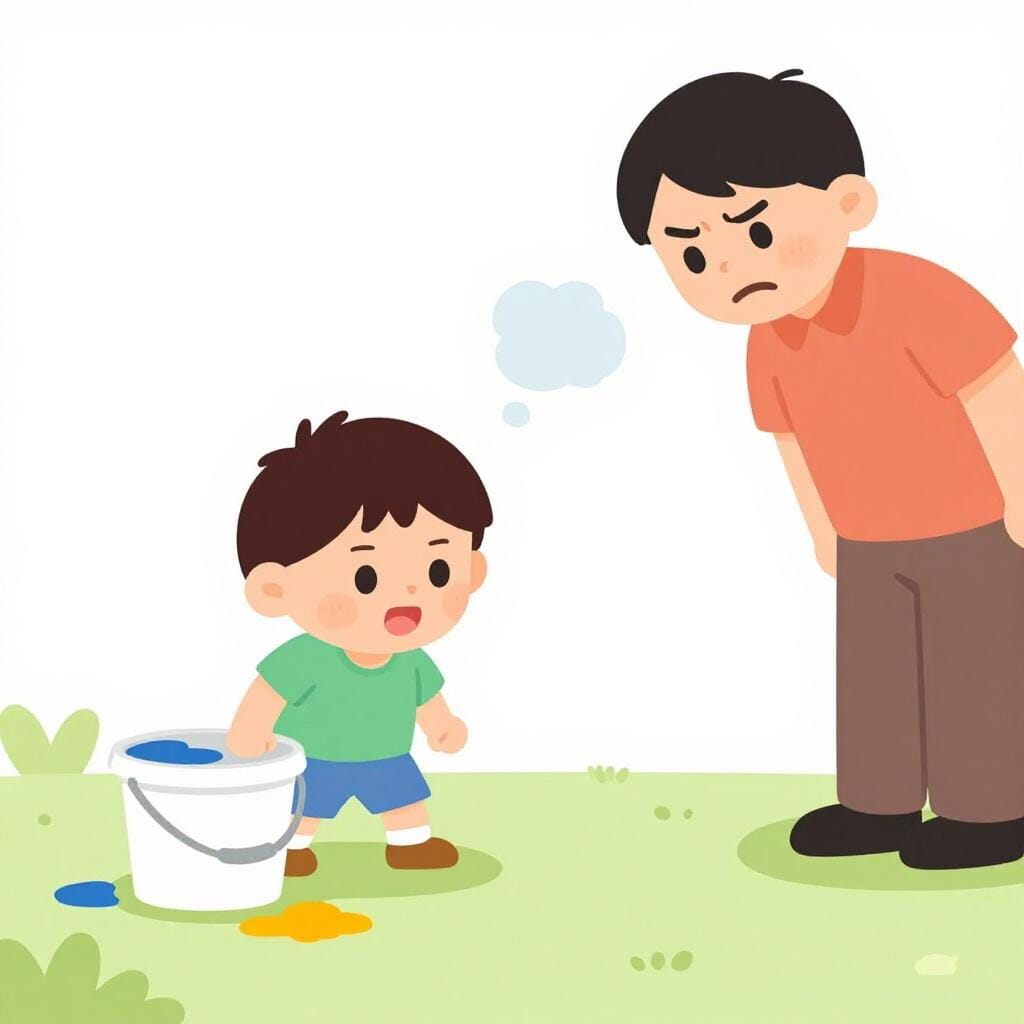
Examples
Sus mentiras me van a enfadar mucho.
His lies are going to make me very angry.
Me enfada que no recojas tu habitación.
It annoys me that you don't clean up your room.
No quería enfadar a nadie con mi comentario.
I didn't want to upset anyone with my comment.
Making others vs. Becoming
By itself, 'enfadar' means you are making someone else angry. To say you are getting angry yourself, you'll need the reflexive 'se' version: enfadarse.
The 'Gustar' Pattern
You can use this word like 'to like' (gustar). For example, 'Me enfada tu actitud' literally means 'Your attitude angers me.'
Angry vs. To Anger
Mistake: “Estoy enfadar.”
Correction: Estoy enfadado (if you're a boy) or estoy enfadada (if you're a girl). Use 'enfadar' only for the action of making someone mad.
dees-goos-TARdisɡusˈtaɾ

Examples
Me disgusta mucho la impuntualidad.
I dislike tardiness very much.
A mis padres les disgusta que no comas verduras.
It upsets my parents that you don't eat vegetables.
No quiero disgustar a nadie con mi opinión.
I don't want to upset anyone with my opinion.
The 'Backwards' Verb Rule
This verb works like 'gustar'. The thing being disliked is the subject, so you use 'me', 'te', 'le', etc., to show who is feeling the dislike.
Matching the Ending
The verb ending changes based on the thing you dislike. If it's one thing, use 'disgusta'. If it's plural, use 'disgustan'.
English Word Order
Mistake: “Yo disgusto el ruido.”
Correction: Me disgusta el ruido. In Spanish, the noise 'disgusts me' rather than 'I disgust the noise'.
lahs-tee-MAHRlastiˈmaɾ

Examples
Sus críticas lastimaron mi orgullo.
His criticisms hurt my pride.
No quería lastimarte con ese comentario tan duro.
I didn't want to hurt you with such a harsh comment.
Se lastimó mucho cuando supo la verdad.
She was very hurt (emotionally) when she found out the truth.
Emotional Use
When used for feelings, 'lastimar' is stronger than 'molestar' (to bother). It implies deep offense or sorrow.
al-te-RARalteˈɾaɾ

Examples
No le digas nada malo, no queremos alterarlo.
Don't tell him anything bad, we don't want to upset him.
Se altera fácilmente cuando hay mucho tráfico.
He gets agitated easily when there is a lot of traffic.
La cafeína me altera los nervios.
Caffeine makes me feel jittery/agitated.
The Reflexive Form
When someone gets upset by themselves, we often use the reflexive form 'alterarse'. For example: 'No te alteres' means 'Don't get yourself worked up'.
Getting upset vs. Being angry
Mistake: “Estoy alterado con mi hermano.”
Correction: Estoy enfadado con mi hermano. 'Alterado' means your nerves are shot or you are agitated, while 'enfadado' is the standard word for being angry.
pair-toor-BARpeɾtuɾˈβaɾ

Examples
El ruido de la construcción perturba mi concentración.
The construction noise disturbs my concentration.
No queremos perturbar la paz del vecindario.
We don't want to disturb the peace of the neighborhood.
La tormenta perturbó el tráfico aéreo durante horas.
The storm disrupted air traffic for hours.
Easy to Conjugate
This is a regular -ar verb, so it follows the same pattern as 'hablar' or 'caminar' in all tenses.
Making it Personal
When someone is disturbed or upset by something, you can use the reflexive form 'perturbarse' (to become disturbed).
Annoyance vs. Disturbance
Mistake: “Using 'perturbar' for mild annoyances, like a fly.”
Correction: Use 'molestar' for everyday annoyances. 'Perturbar' is for serious disruptions of peace or deep mental distress.
Distinguishing Anger vs. Annoyance
Learners often confuse 'enojar'/'enfadar' (anger) with 'disgustar' (annoyance/displeasure). Remember that 'enojar' and 'enfadar' imply a stronger negative emotional response, while 'disgustar' is typically about being displeased with a situation or behavior without necessarily becoming angry.
Related Translations
Learn Spanish with Inklingo
Interactive stories, personalized learning, and more.