enojar
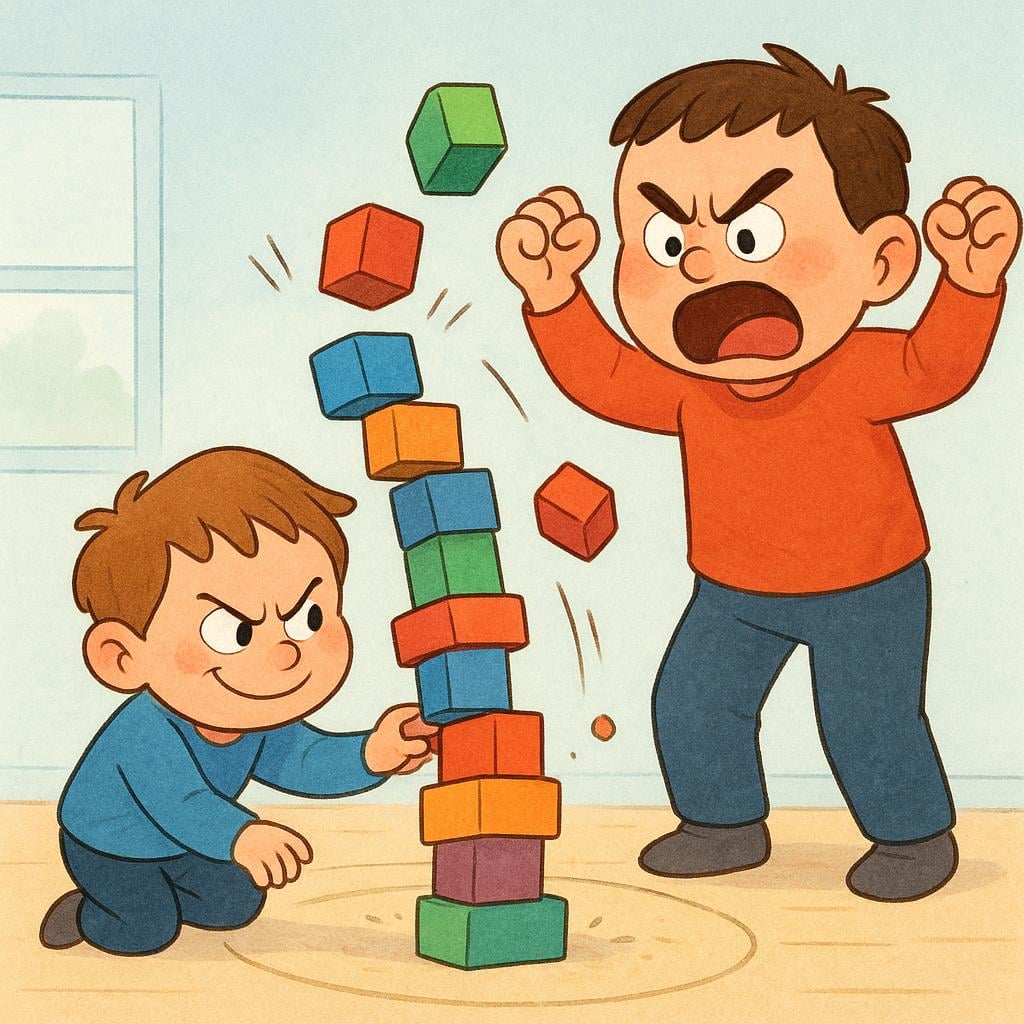
“enojar” means “to get angry” in Spanish. It has 2 different meanings depending on context:



📝 In Action
Mi hermano se enoja fácilmente por cosas pequeñas.
A1My brother gets angry easily over small things.
¿Te enojaste conmigo por llegar tarde?
A2Did you get mad at me for arriving late?
No quiero enojarme por esto, pero es injusto.
B1I don't want to get angry about this, but it's unfair.
Word Connections
📝 In Action
Su actitud siempre enoja a los clientes.
A2His attitude always angers the customers.
No quiero enojarte, solo quiero ayudarte.
B1I don't want to make you angry, I just want to help you.
La noticia enojó profundamente a toda la población.
B2The news deeply angered the entire population.
Word Connections
Subjunctive
Imperfect Subjunctive
Present Subjunctive
Indicative
Preterite
Imperfect
Present
🔀 Commonly Confused With
Translate to Spanish
✏️ Quick Practice
Quick Quiz: enojar
Question 1 of 2
Which sentence correctly uses the reflexive form of 'enojar'?
📚 More Resources
👥 Word Family
📚 Etymology
Comes from the Vulgar Latin word *inodiāre*, which meant 'to be hateful' or 'to cause hatred.' Over time, the meaning softened from hatred to the more general feeling of anger or annoyance.
First recorded: Medieval Spanish
Cognates (Related words)
💡 Master Spanish
Take your Spanish to the next level. Read 200+ illustrated and narrated Spanish stories tailored to your level with the Inklingo app!
Frequently Asked Questions
¿Cuál es la diferencia entre 'enojar' y 'enojarse'?
'Enojar' (without 'se') means *to make* someone else angry (causative: 'Mi error enojó al cliente'). 'Enojarse' (with 'se') means *to get* angry yourself (reflexive: 'Yo me enojé con el cliente').
Can I use 'ser' or 'estar' with 'enojado'?
You almost always use 'estar' with the adjective 'enojado' because anger is a temporary state or emotion: 'Estoy enojado' (I am angry right now). Using 'ser' ('Soy enojado') would imply that being angry is a permanent part of your personality, which is less common and usually unnatural.