How to Say "to change" in Spanish
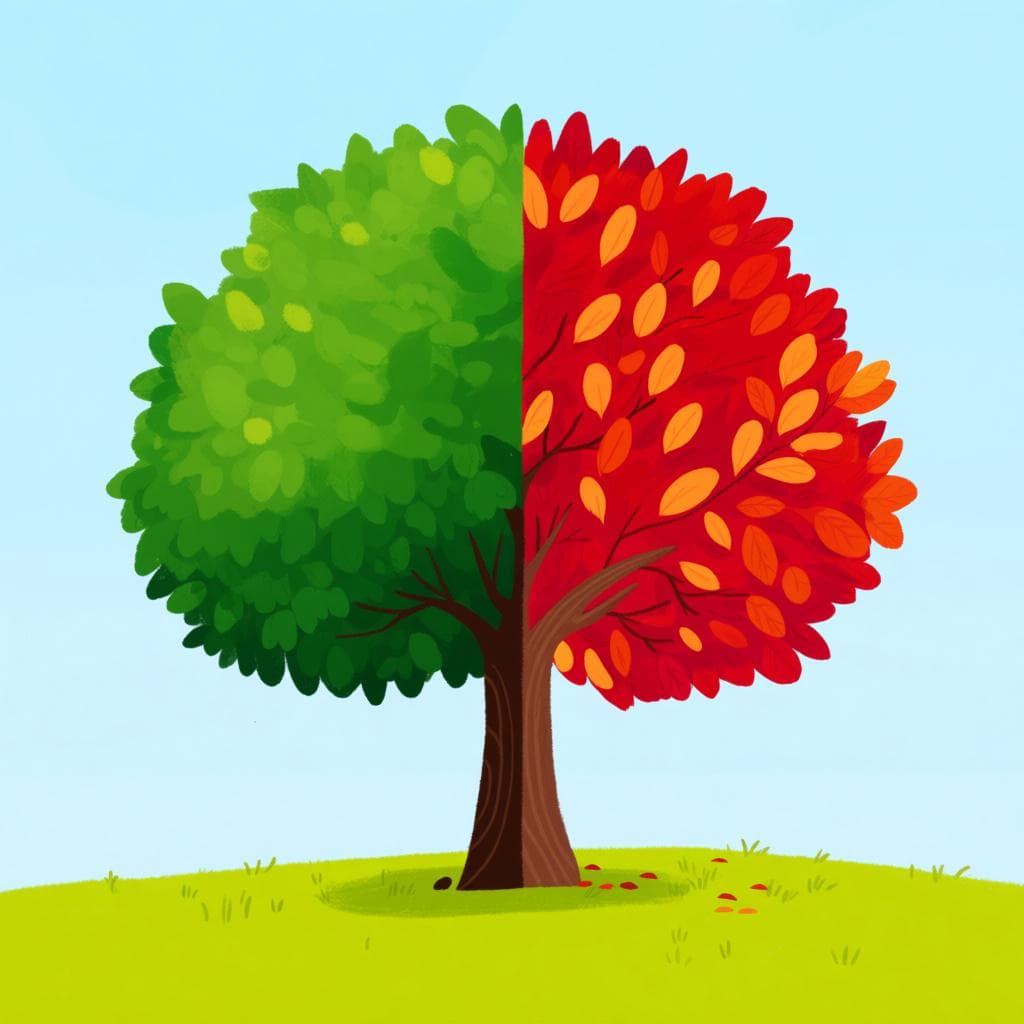
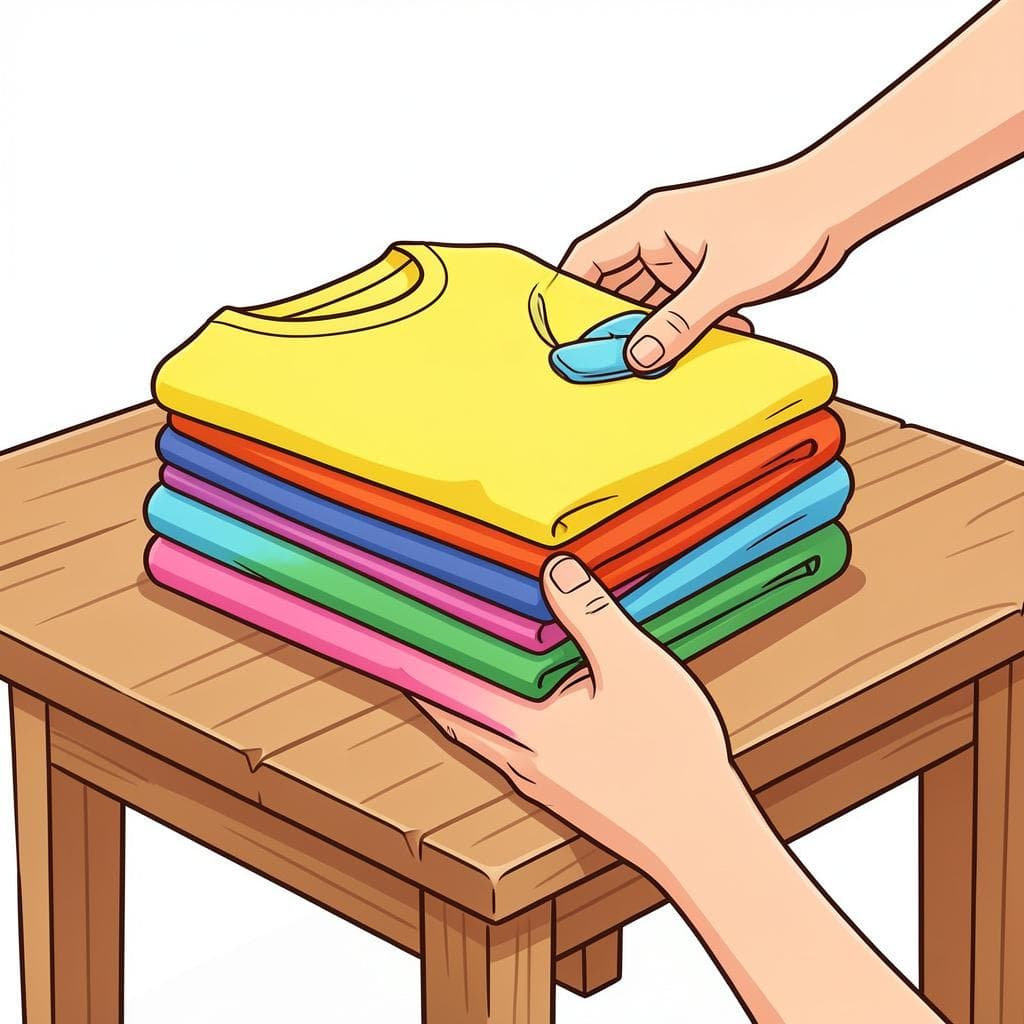
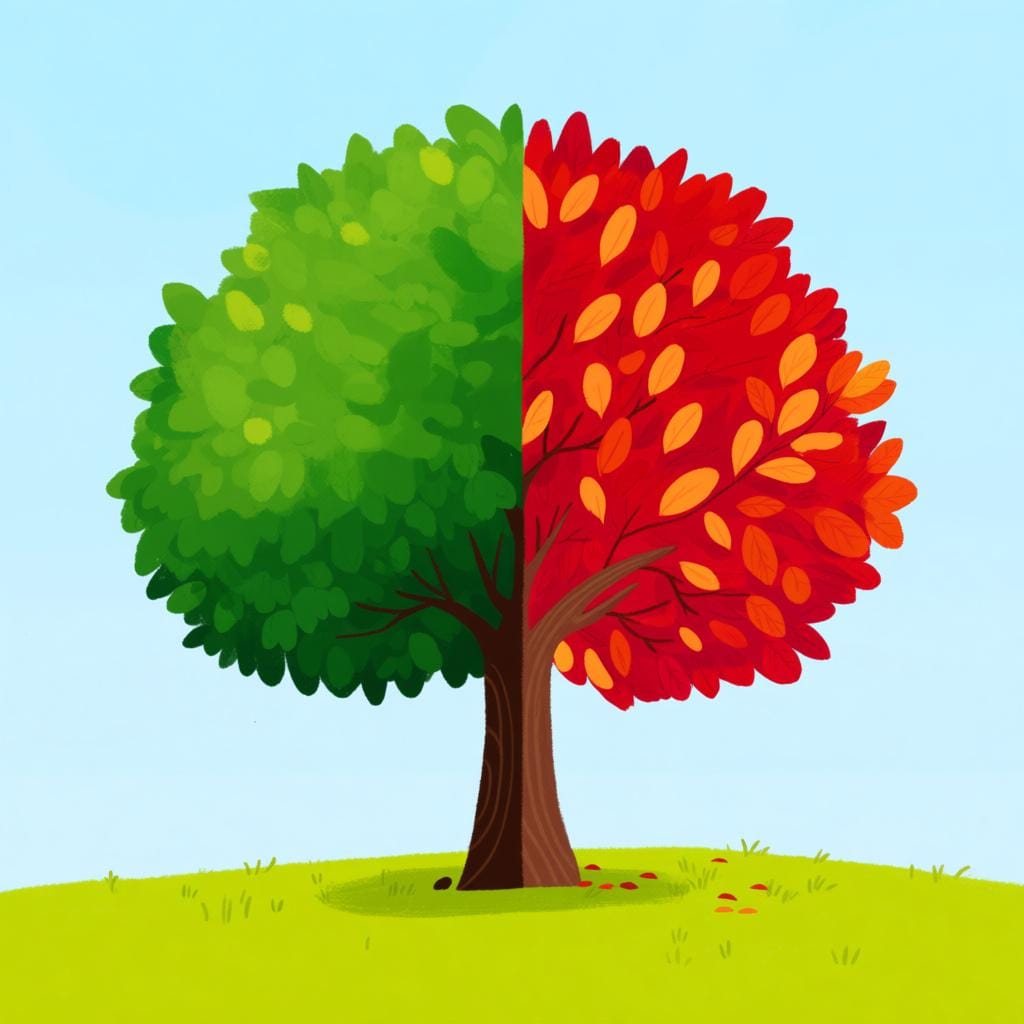
The most common Spanish word for “to change” is “cambiar” — use this for general changes where something becomes different by itself, like the weather, or when you are changing something without specifying a deeper transformation.

cambiar
kahm-bee-AHRkamˈbjaɾ
Examples
El tiempo cambia muy rápido en la montaña.
The weather changes very quickly in the mountains.
Las cosas han cambiado mucho desde que éramos niños.
Things have changed a lot since we were kids.
Mi hermano cambió de opinión y ahora quiere venir.
My brother changed his mind and now he wants to come.
Changing Your Mind, Job, etc.
To say you're changing something like your mind, job, or house, use the pattern 'cambiar de + [noun]'. For example, 'Voy a cambiar de trabajo' (I'm going to change jobs). You don't need to say 'mi trabajo'.
Changing Clothes: 'cambiar' vs. 'cambiarse'
Mistake: “Voy a cambiar mi ropa.”
Correction: Voy a cambiarme de ropa. When you're changing your own clothes, you almost always use 'cambiarse'. Think of it like 'to change oneself'.
convertir
kohn-vehr-teerkom.beɾˈtiɾ
Examples
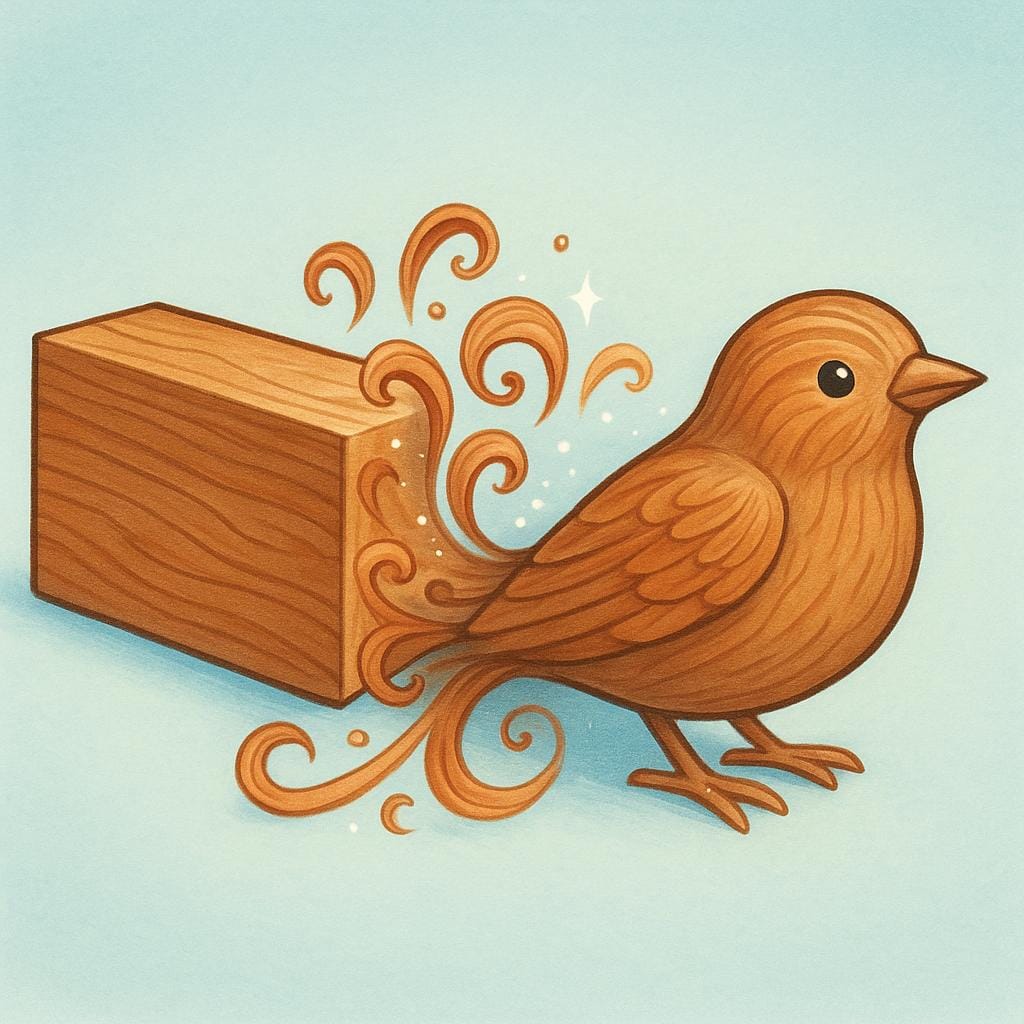
Necesitas convertir los euros a dólares antes del viaje.
You need to convert the euros to dollars before the trip.
Necesitas **convertir** los euros a dólares antes del viaje.
You need to **convert** the euros to dollars before the trip.
El mago prometió **convertir** el agua en vino.
The magician promised to **convert** the water into wine.
Vamos a **convertir** esta habitación vieja en una oficina.
We are going to **convert** this old room into an office.
Stem Change (e > ie)
In the present tense, the 'e' in the stem changes to 'ie' (e.g., convierto, conviertes) in all forms except for nosotros and vosotros.
Using 'en'
When you change something into something else, Spanish requires the preposition en (e.g., convertir X en Y).
Preterite Change
Mistake: “Él convertió (incorrect stem)”
Correction: Él convirtió. Remember that the third-person forms of the past tense also change the 'e' to an 'i' (convirtió, convirtieron).
variar
bah-ree-AHRbaˈɾjaɾ
Examples
Tienes que variar tu dieta para estar sano.
You have to vary your diet to be healthy.
Los precios varían según la temporada.
Prices vary depending on the season.
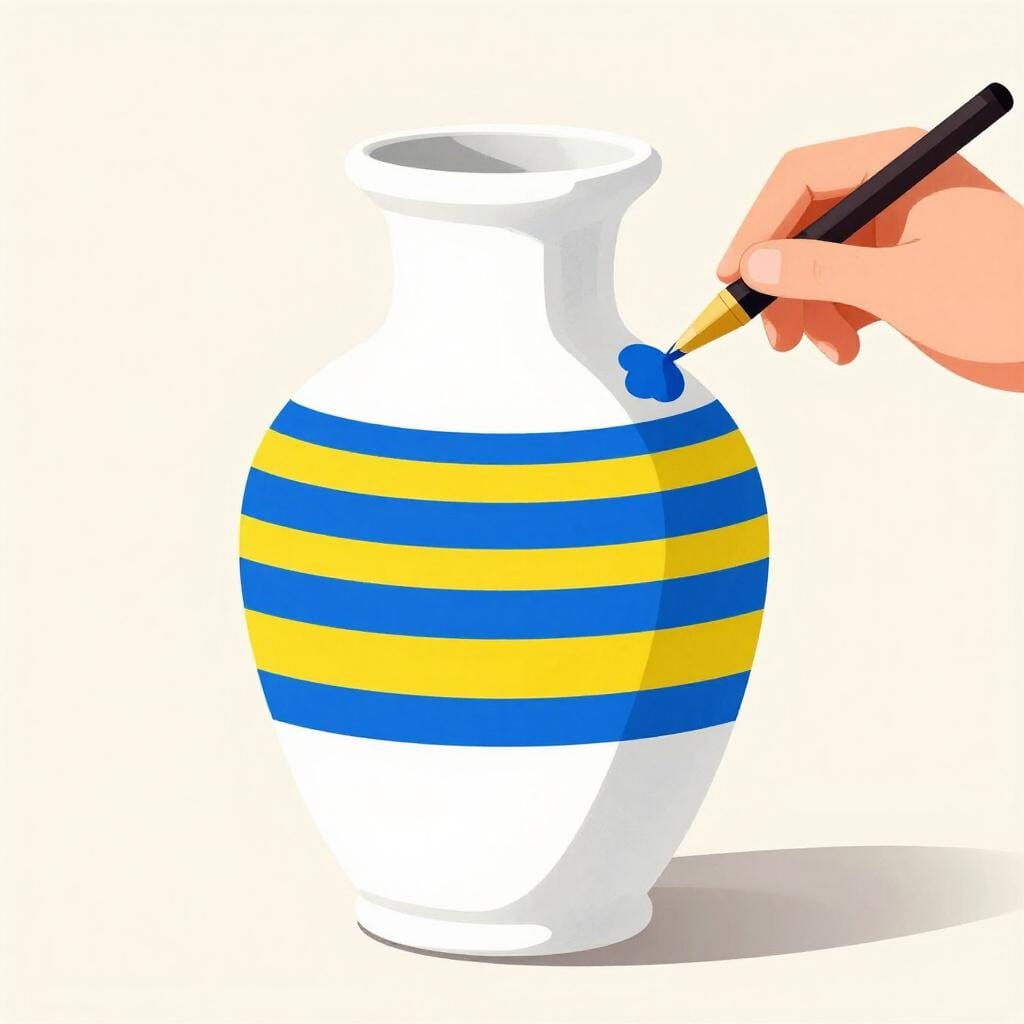
Ella decidió variar el diseño original del vestido.
She decided to alter the original design of the dress.
The Accent Mark Rule
Notice that the 'i' gets an accent mark (varío, varía) in many present tense forms. This is to make sure you pronounce the 'i' clearly instead of blending it into the next vowel.
Using 'de' with Variar
When you want to say you are changing something specific, like your opinion or your route, you often use the word 'de' after the verb: 'variar de opinión'.
Missing the Accent
Mistake: “Yo vario el plan.”
Correction: Yo varío el plan. Without the accent on the 'i', the pronunciation changes completely.
Variar vs. Cambiar
Mistake: “Quiero variar mis dólares por pesos.”
Correction: Quiero cambiar mis dólares por pesos. Use 'cambiar' for exchanging things; use 'variar' for making something different or diverse.
alterar
al-te-RARalteˈɾaɾ

Examples
No queremos alterar el orden de las presentaciones.
We don't want to change the order of the presentations.
El ruido de la calle alteró mi concentración.
The street noise disrupted my concentration.
Pequeños cambios pueden alterar el resultado final.
Small changes can modify the final result.
Using Alterar vs. Cambiar
'Alterar' often implies changing the essence or the natural state of something, whereas 'cambiar' is more general. Think of 'alterar' as 'to tinker with' or 'to disrupt'.
Don't use it for 'to change clothes'
Mistake: “Me voy a alterar la ropa.”
Correction: Me voy a cambiar de ropa. 'Alterar' is for modifying things, not for swapping one item for another.
mudar
moo-DAHRmuˈðar
Examples
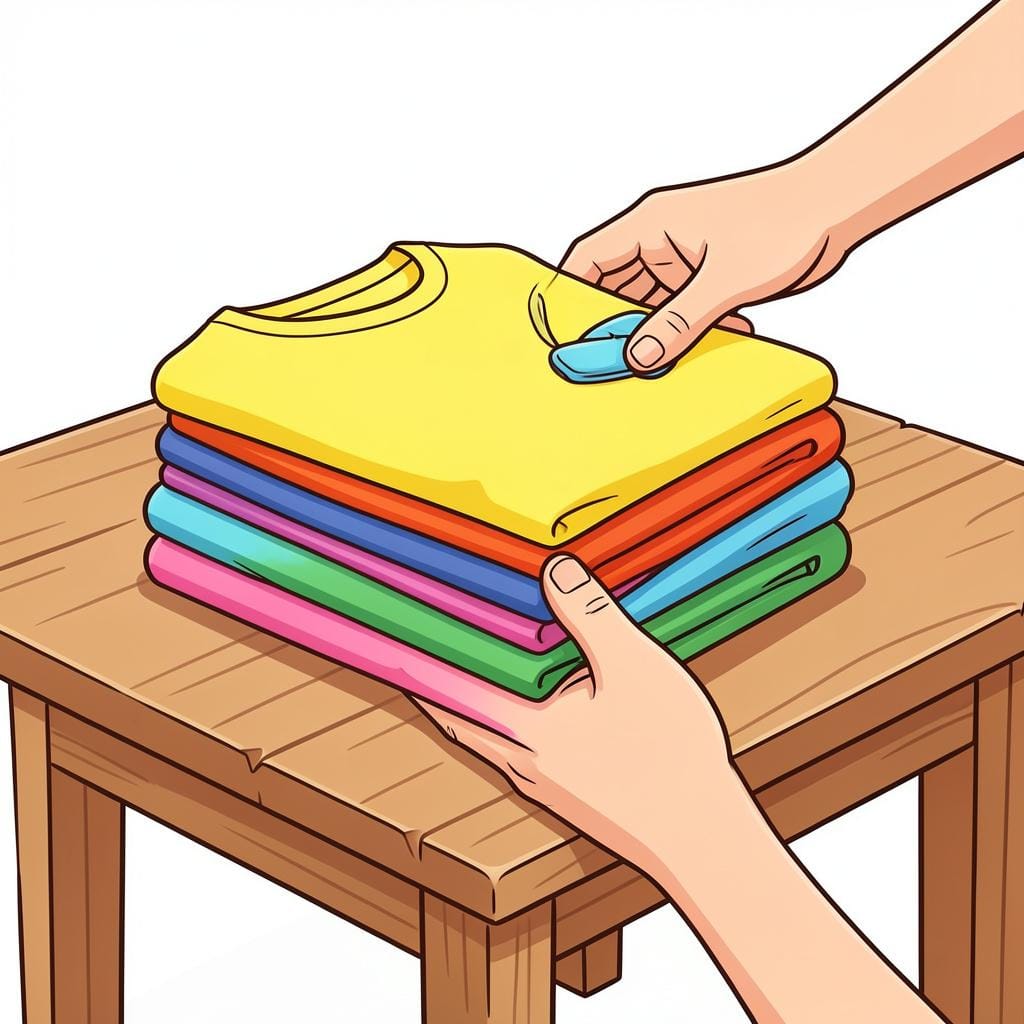
Hay que mudar las sábanas una vez por semana.
The bedsheets should be changed once a week.
La serpiente muda su piel cada pocos meses.
The snake sheds its skin every few months.
Transitive Use
In this sense, 'mudar' takes a direct object (the thing being changed), like 'la piel' (the skin) or 'las sábanas' (the sheets).
transformar
trahns-for-MAHRtɾansfoɾˈmaɾ

Examples
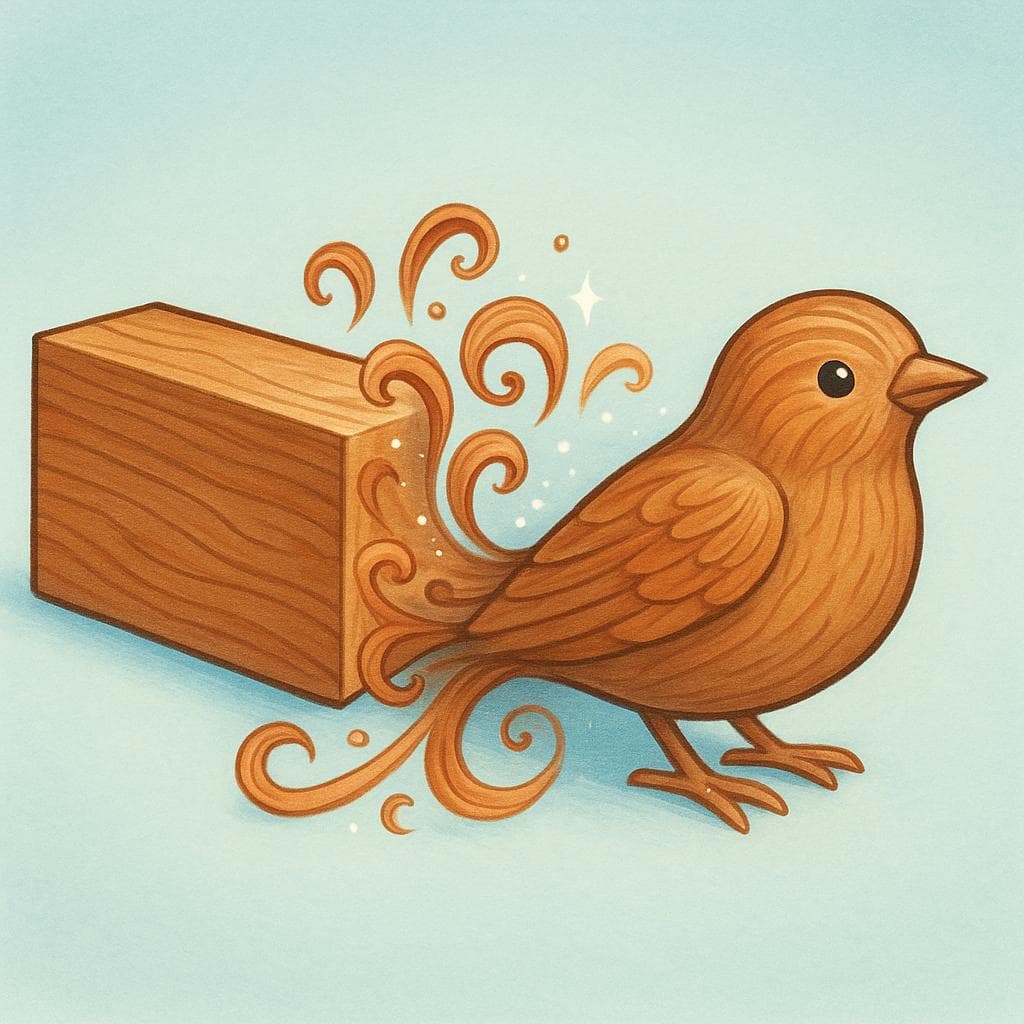
El artista quiere transformar el metal en una obra de arte.
The artist wants to transform the metal into a work of art.
Las nuevas tecnologías van a transformar nuestra manera de vivir.
New technologies are going to transform our way of living.
Ella logró transformar su pequeño negocio en una gran empresa.
She managed to transform her small business into a large company.
The 'Result' Connection
When you transform one thing into another, Spanish always uses the word 'en' (meaning 'into'). Example: 'Transformar A en B'.
Making it Personal
If someone is changing themselves (like a character in a movie or a person changing their life), you add 'se' to the end: 'transformarse'.
Wrong Connecting Word
Mistake: “Transformar algo a otra cosa.”
Correction: Transformar algo en otra cosa. Use 'en' to show the new form something takes.
Choosing Between General and Specific Changes
Related Translations
Learn Spanish with Inklingo
Interactive stories, personalized learning, and more.