Inklingo

mudar

/moo-DAHR/

to move

A stack of cardboard boxes and a small plant sitting on a wooden floor in a bright, empty room.

Mudar can mean moving to a new home, represented by packing boxes in a new space.

mudar(verb)

A1regular ar

to move

?

changing your home or residence

Also:

to relocate

?

formal context for moving house or business

📝 In Action

Me voy a mudar a un apartamento nuevo el próximo mes.

A1

I am going to move to a new apartment next month.

Ellos se mudaron a España para aprender el idioma.

A2

They moved to Spain to learn the language.

Word Connections

Synonyms

  • trasladarse (to transfer/relocate)

Antonyms

Common Collocations

  • mudar de casato move house
  • mudar de airesto have a change of scenery

💡 Grammar Points

Using 'se' for Moving

When talking about moving house, we almost always add 'se' to the end (mudarse). This shows the action is happening to the person who is moving.

❌ Common Pitfalls

Mover vs. Mudar

Mistake: "Using 'mover' to say 'I am moving to a new house'."

Correction: Use 'mudarse'. 'Mover' is for shifting objects (like a chair), but 'mudar' is for changing your home.

⭐ Usage Tips

The 'Reflexive' Pattern

Remember to change the 'se' to match the person: Yo me mudo, tú te mudas, etc.

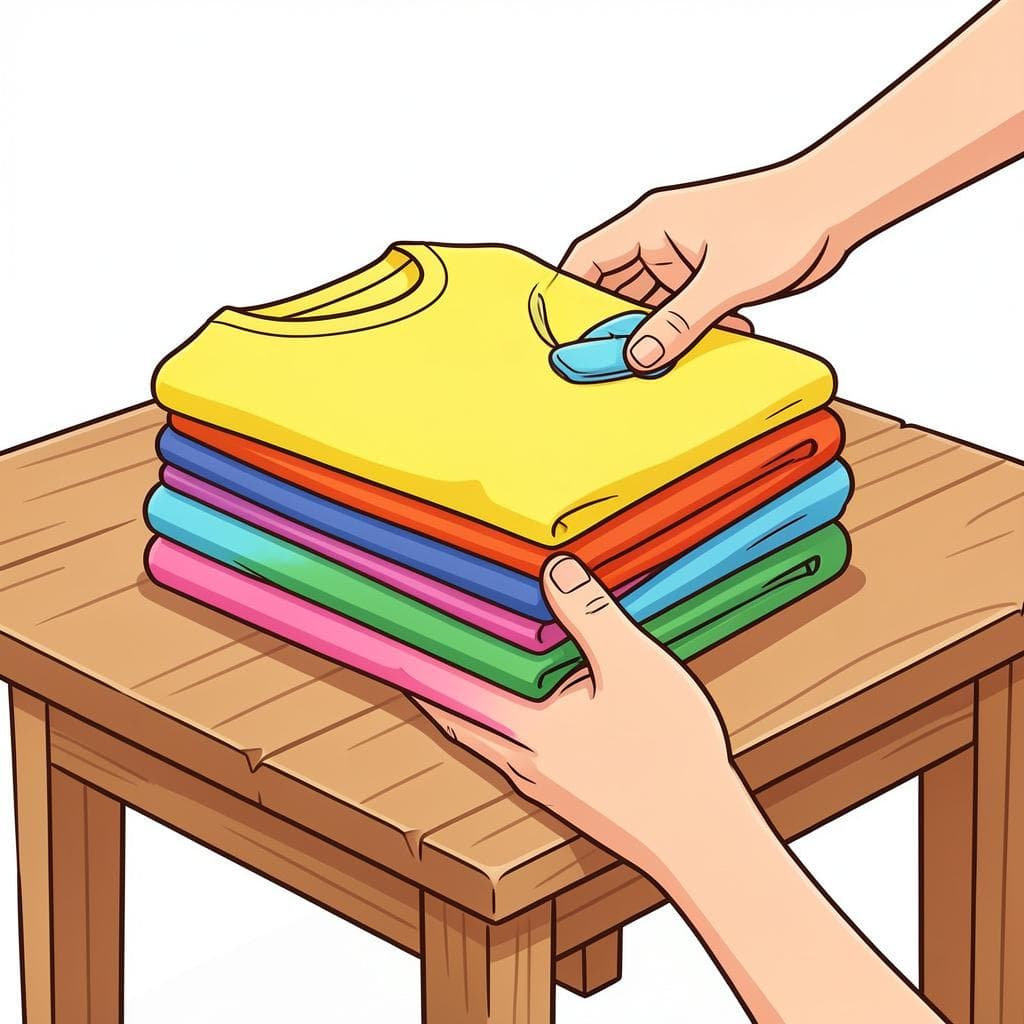
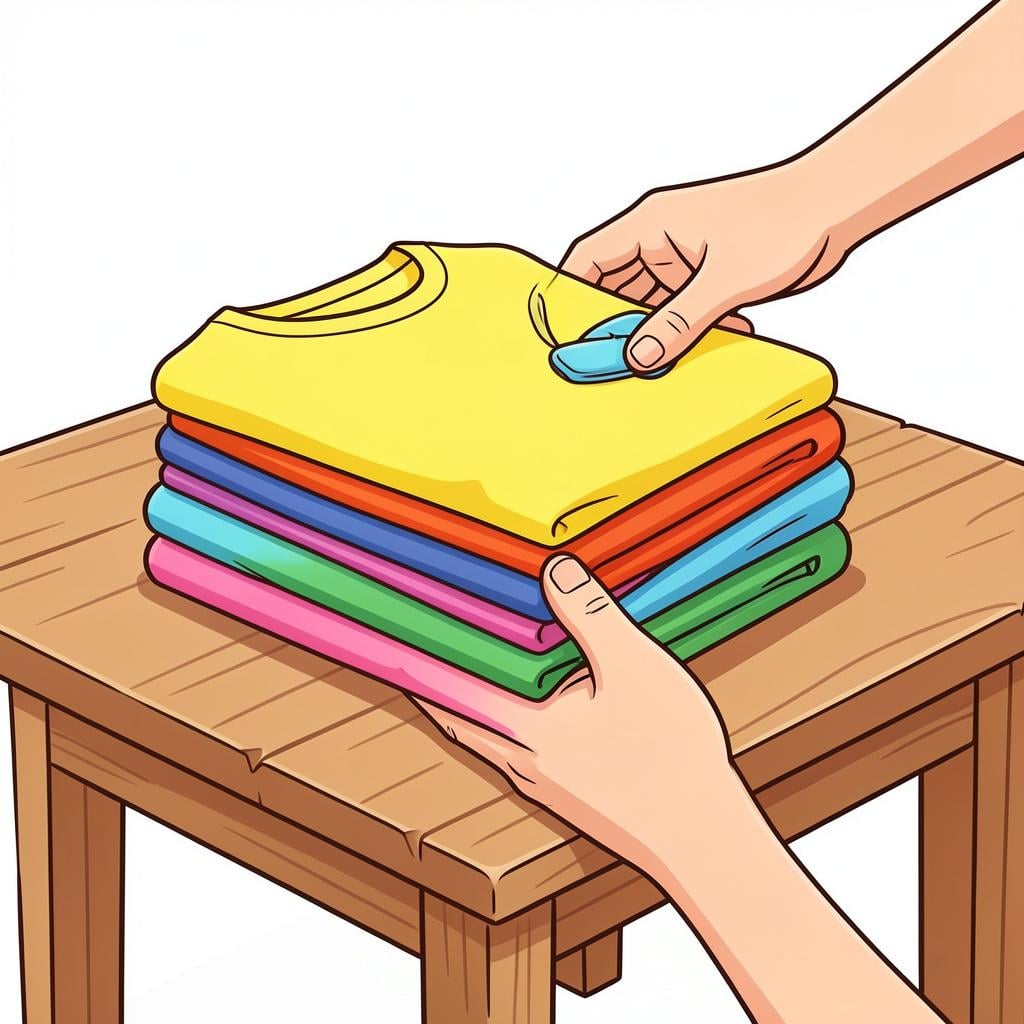
A neatly folded pile of fresh, colorful clothes being placed on a wooden table.

Mudar also refers to changing or replacing things, such as putting on fresh clothes.

mudar(verb)

B1regular ar

to change

?

replacing one thing with another, like clothes or sheets

Also:

to shed/molt

?

animals changing skin, feathers, or fur

📝 In Action

Hay que mudar las sábanas una vez por semana.

B1

The bedsheets should be changed once a week.

La serpiente muda su piel cada pocos meses.

B2

The snake sheds its skin every few months.

Word Connections

Synonyms

Antonyms

Common Collocations

  • mudar de ropato change clothes
  • mudar de opiniónto change one's mind

💡 Grammar Points

Transitive Use

In this sense, 'mudar' takes a direct object (the thing being changed), like 'la piel' (the skin) or 'las sábanas' (the sheets).

⭐ Usage Tips

Change of Mind

'Mudar de opinión' sounds slightly more formal or emphatic than the common 'cambiar de opinión'.

🔄 Conjugations

subjunctive

imperfect

ellos/ellas/ustedesmudaran
yomudara
mudaras
vosotrosmudarais
nosotrosmudáramos
él/ella/ustedmudara

present

ellos/ellas/ustedesmuden
yomude
mudes
vosotrosmudéis
nosotrosmudemos
él/ella/ustedmude

indicative

preterite

ellos/ellas/ustedesmudaron
yomudé
mudaste
vosotrosmudasteis
nosotrosmudamos
él/ella/ustedmudó

imperfect

ellos/ellas/ustedesmudaban
yomudaba
mudabas
vosotrosmudabais
nosotrosmudábamos
él/ella/ustedmudaba

present

ellos/ellas/ustedesmudan
yomudo
mudas
vosotrosmudáis
nosotrosmudamos
él/ella/ustedmuda

✏️ Quick Practice

💡 Quick Quiz: mudar

Question 1 of 2

Which sentence correctly uses 'mudar' to mean 'moving to a new house'?

📚 More Resources

Word Family

Frequently Asked Questions

Can I use 'mudar' for moving an object like a chair?

No. For moving objects, use 'mover'. 'Mudar' is for changing your place of residence or replacing things like clothes or sheets.

What is the difference between 'mudar' and 'mudarse'?

'Mudar' usually means to change something (like clothes or skin). 'Mudarse' (with the 'se') specifically means to move your home or yourself to a new location.