How to Say "to move" in Spanish
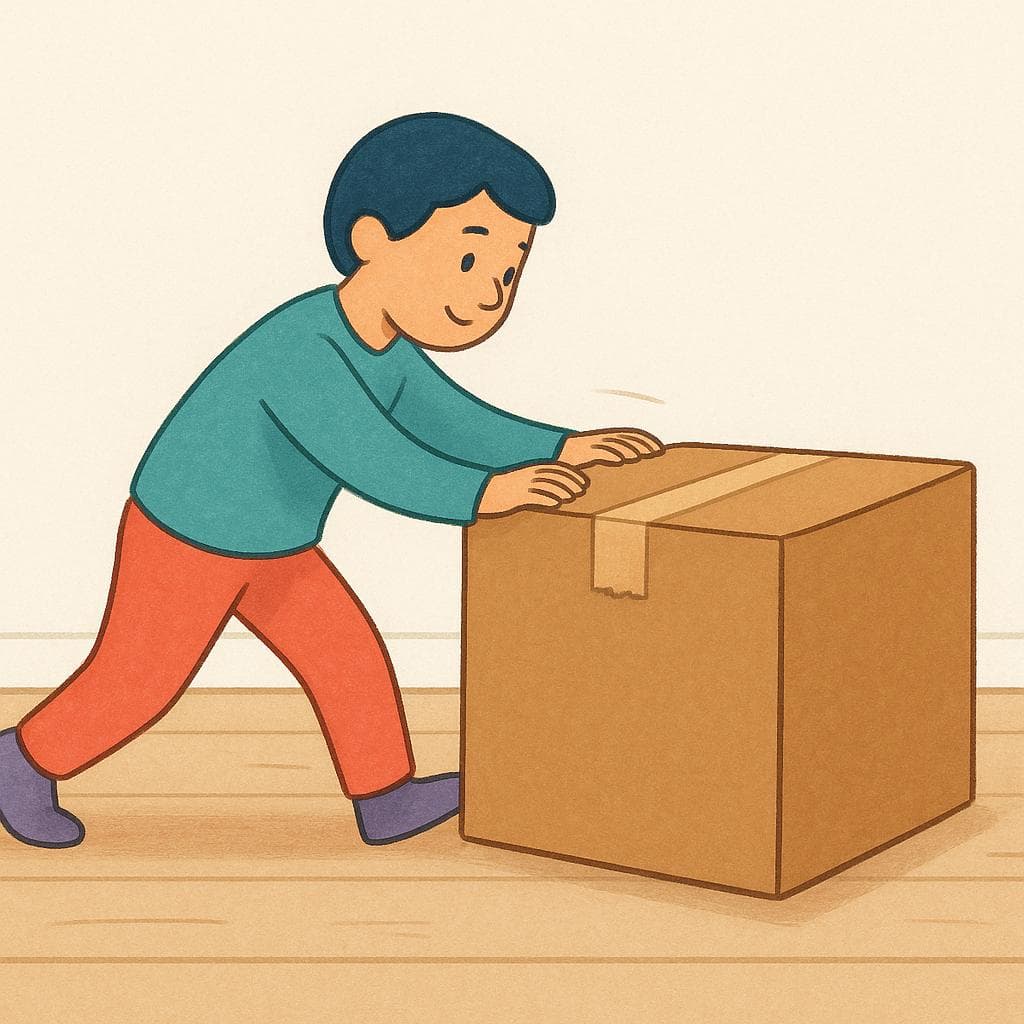
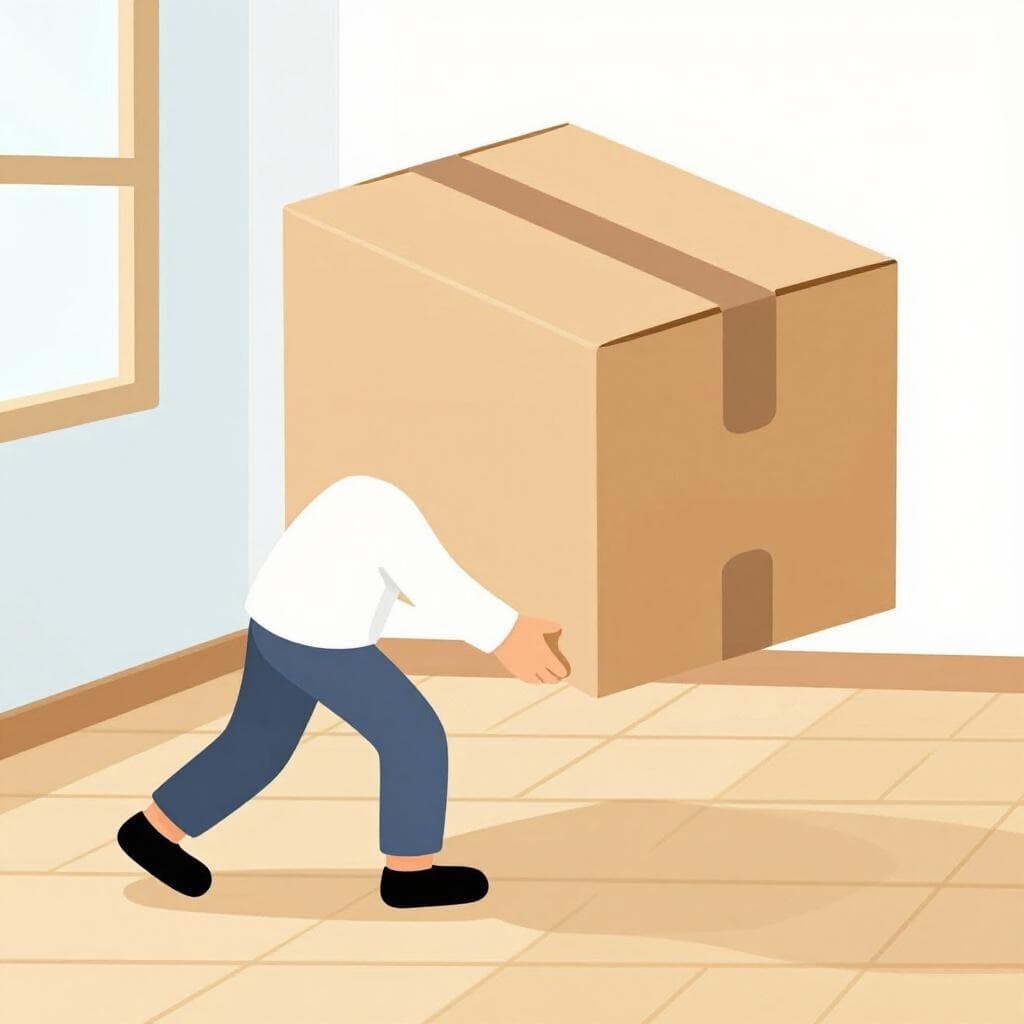
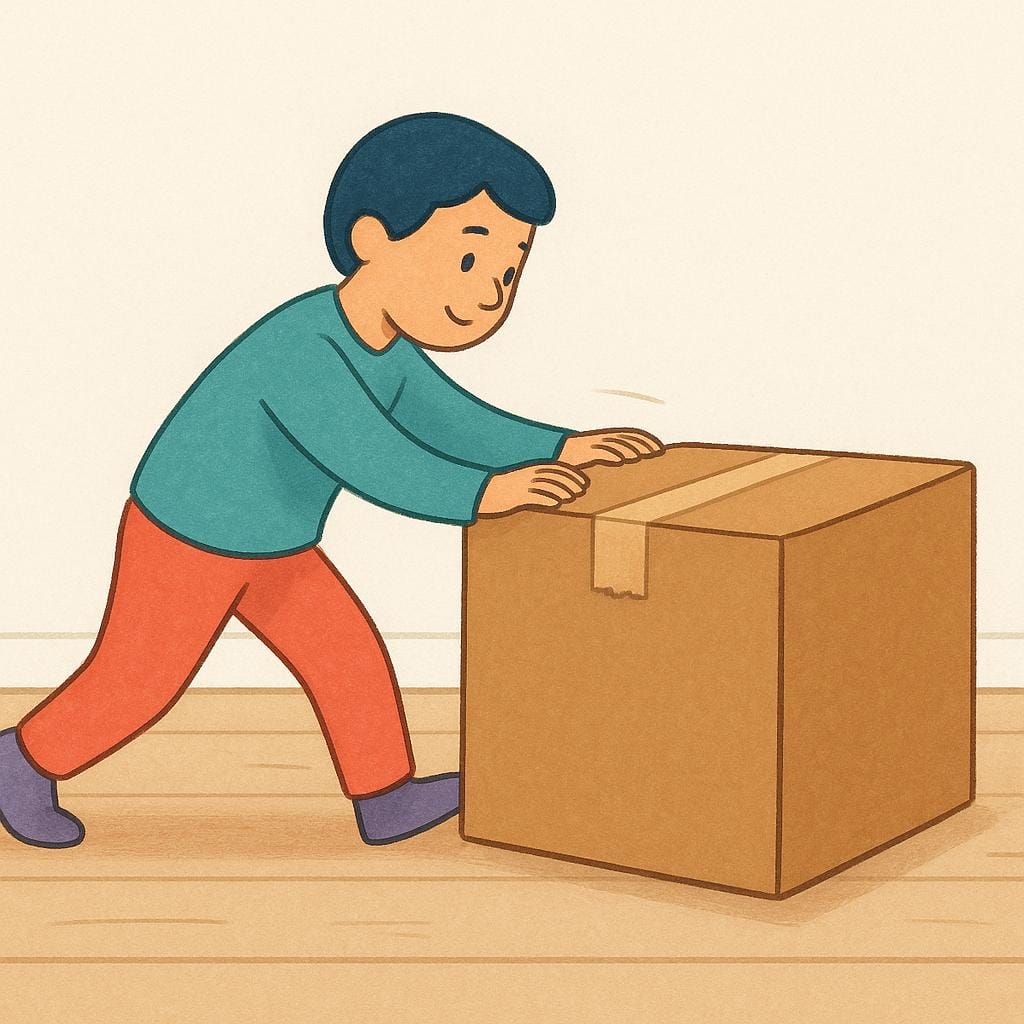
The most common Spanish word for “to move” is “mover” — use 'mover' for the general physical displacement of an object or to describe a deep emotional impact.









mover
moh-VEHRmoˈβeɾ
Examples
Tienes que mover la mesa para que quepa.
You have to move the table so it fits.
Ella mueve la cabeza diciendo que no.
She shakes her head saying no.
¿Puedes mover la cuchara en la sopa, por favor?
Can you stir the spoon in the soup, please?
Su discurso me movió profundamente; casi lloro.
Her speech moved me deeply; I almost cried.
Stem-Changing Verb
This verb is irregular because the 'o' changes to 'ue' in the present tense (muevo, mueves, mueve, mueven). Remember that the 'we' (nosotros) and 'you all' (vosotros) forms are exceptions and keep the 'o' (movemos, movéis).
Emotional Causation
In this sense, 'mover' describes something causing an emotional reaction in someone else. The thing that causes the feeling is the subject, and the person feeling it is the object.
Forgetting the Stem Change
Mistake: “Yo movo la caja.”
Correction: Yo muevo la caja. Remember the 'o' changes to 'ue' when the stress is on the verb stem.
moverse
moh-VEHR-sehmoˈβeɾse

Examples
El bebé ya puede moverse solo por toda la casa.
The baby can already move by himself all over the house.
¡Muévete un poco! Estás bloqueando la vista.
Move a little! You're blocking the view.
Me moví para dejarle espacio en el sofá.
I shifted to make space for him on the sofa.
The 'Se' Makes It Reflexive
The 'se' at the end tells you that the person doing the action is also receiving the action. If you just use 'mover' (without the 'se'), you are moving an object (e.g., 'mover la silla' - to move the chair).
Stem Change in Present Tense
In the present tense, the 'o' inside the verb changes to 'ue' for most forms (muevo, mueves, mueve, mueven), but not for 'nosotros' or 'vosotros' (movemos, movéis).
Forgetting the Reflexive Pronoun
Mistake: “Yo muevo a la fiesta.”
Correction: Yo me muevo a la fiesta. (Always use me/te/se/nos/os/se when you mean 'I move myself.')
ir
eeriɾ

Examples
Voy a la tienda.
I'm going to the store.
¿Ustedes van al cine esta noche?
Are you all going to the movies tonight?
Mis padres fueron a España el año pasado.
My parents went to Spain last year.
Talking About the Future: Ir + a + verb
A very common way to talk about the future is using 'ir' like 'going to'. Just use the right form of 'ir', add 'a', and then the action verb. Example: 'Voy a comer' means 'I am going to eat'.
Always Use 'a' for Destinations
When you say you are going to a place, you almost always need the little word 'a' after 'ir'. Example: 'Voy a la playa' (I'm going to the beach).
Confusing 'ir' and 'venir'
Mistake: “'Vengo a la tienda ahora.' (When you are currently at home, not at the store).”
Correction: 'Voy a la tienda ahora.' Use 'ir' for movement away from you (going), and 'venir' for movement towards you (coming).
Crazy Past Tense Forms
Mistake: “Thinking the past tense is 'yo í' or 'yo fuió'.”
Correction: The past tense of 'ir' is totally different: 'fui, fuiste, fue...'. It's weird, but you just have to memorize it. The good news? It's the exact same as the past tense for 'ser' (to be)!
movernos
mo-BER-nosmoˈβernos

Examples
Necesitamos movernos para ver mejor el concierto.
We need to move to see the concert better.
Es difícil movernos con tantas maletas.
It's hard for us to move with so many suitcases.
The 'nos' at the end
The word 'nos' at the end of the verb means 'us' or 'ourselves.' In Spanish, when we use a 'to' form of a verb (the infinitive), we glue these pronouns directly to the end.
Stem-changing verb
The base verb 'mover' changes its 'o' to 'ue' in most present tense forms, but it stays as 'o' in the 'nosotros' (we) forms, like 'movernos' and 'nos movemos'.
Saying 'mover nos'
Mistake: “No podemos mover nos.”
Correction: No podemos movernos.
desplazar
des-plah-SARdesplaˈθaɾ

Examples
Tienes que desplazar el sofá para limpiar debajo.
You have to move the sofa to clean underneath.
Usa el ratón para desplazar la imagen a la derecha.
Use the mouse to shift the image to the right.
La tormenta desplazó mucha arena hacia la carretera.
The storm moved a lot of sand onto the road.
The Spelling Swap
When the verb ends in '-zar', the 'z' changes to a 'c' before an 'e'. This happens in the 'yo' form of the past tense (desplacé) and all present command forms.
Desplazar vs. Mover
Use 'desplazar' when you want to sound a bit more precise or formal about shifting something from its original spot, whereas 'mover' is very general.
Spelling the Past Tense
Mistake: “Yo desplazé.”
Correction: Yo desplacé. (Remember: 'z' changes to 'c' when followed by 'e' to keep the sound correct!)
mudarse
moo-DAHR-sehmuˈðarse

Examples
Me mudo a un apartamento nuevo mañana.
I am moving to a new apartment tomorrow.
¿Por qué decidieron mudarse a España?
Why did they decide to move to Spain?
Using the 'se' part
The 'se' at the end means this verb is reflexive. It shows that you are moving yourself to a new location. You must change the 'me, te, se' part to match the person doing the action.
Mover vs. Mudarse
Mistake: “Using 'mover' to say you are moving to a new house.”
Correction: Use 'mudarse' for changing homes. 'Mover' is for moving a physical object or a part of your body (like your arm).
mudar
moo-DAHRmuˈðar

Examples
Me voy a mudar a un apartamento nuevo el próximo mes.
I am going to move to a new apartment next month.
Ellos se mudaron a España para aprender el idioma.
They moved to Spain to learn the language.
Using 'se' for Moving
When talking about moving house, we almost always add 'se' to the end (mudarse). This shows the action is happening to the person who is moving.
Mover vs. Mudar
Mistake: “Using 'mover' to say 'I am moving to a new house'.”
Correction: Use 'mudarse'. 'Mover' is for shifting objects (like a chair), but 'mudar' is for changing your home.
conmover
kohn-moh-BEHRkonmoˈβeɾ

Examples
La historia del niño conmovió a todos.
The boy's story moved everyone.
Sus palabras me conmovieron profundamente.
Her words touched me deeply.
Es una película que logra conmover sin ser demasiado triste.
It is a movie that manages to be moving without being too sad.
The 'O' to 'UE' Swap
This verb is a 'stem-changer.' When you stress the middle of the word (like in 'conmuevo'), the 'o' changes to 'ue'. This happens in all present tense forms except 'nosotros' and 'vosotros'.
Don't Forget the Personal 'A'
When you are moving someone (a person or pet) emotionally, you must put the word 'a' before them: 'Conmovió a María'.
Mover vs. Conmover
Mistake: “La música me movió mucho.”
Correction: La música me conmovió mucho. Use 'mover' for physical movement (moving a chair) and 'conmover' for emotional movement.
emocionar
eh-moh-syoh-NAHRemoθjoˈnar

Examples
Esa canción siempre me emociona mucho.
That song always moves me a lot.
Sus palabras emocionaron a todo el público.
His words touched the entire audience.
Me emociona saber que vas a venir a visitarnos.
It excites me to know that you are coming to visit us.
Using it like 'Gustar'
When you want to say something moves you, the thing doing the moving is the subject. Say 'Me emociona la película' (The movie moves me).
People vs. Things
If you are 'moving' a person, remember to use the personal 'a' after the verb: 'El final emocionó a Juan'.
Confusing 'Excite' with 'Emocionar'
Mistake: “Using 'excitar' for emotional excitement.”
Correction: Use 'emocionar' or 'entusiasmar'. In Spanish, 'excitar' often has a physical or sexual connotation.
impactar
eem-pahk-TAHRim.pakˈtaɾ

Examples
Su voz me impactó desde el primer momento.
Her voice impressed me from the first moment.
La noticia del accidente impactó a toda la comunidad.
The news of the accident shocked the whole community.
Me impactó mucho ver cómo vivían esas personas.
It really shocked me to see how those people lived.
The 'Personal A'
When 'impactar' affects a person emotionally, you must use 'a' before the person. Example: 'La noticia impactó a María'.
Missing the 'a'
Mistake: “Impactó mi madre.”
Correction: Impactó a mi madre. We need the 'a' because the mother is a person receiving the emotional shock.
trasladar
trah-slah-DARtɾaslaˈðar
Examples
La empresa va a trasladar su oficina al centro.
The company is going to move its office downtown.
Trasladaron al paciente a un hospital más grande.
They transferred the patient to a larger hospital.
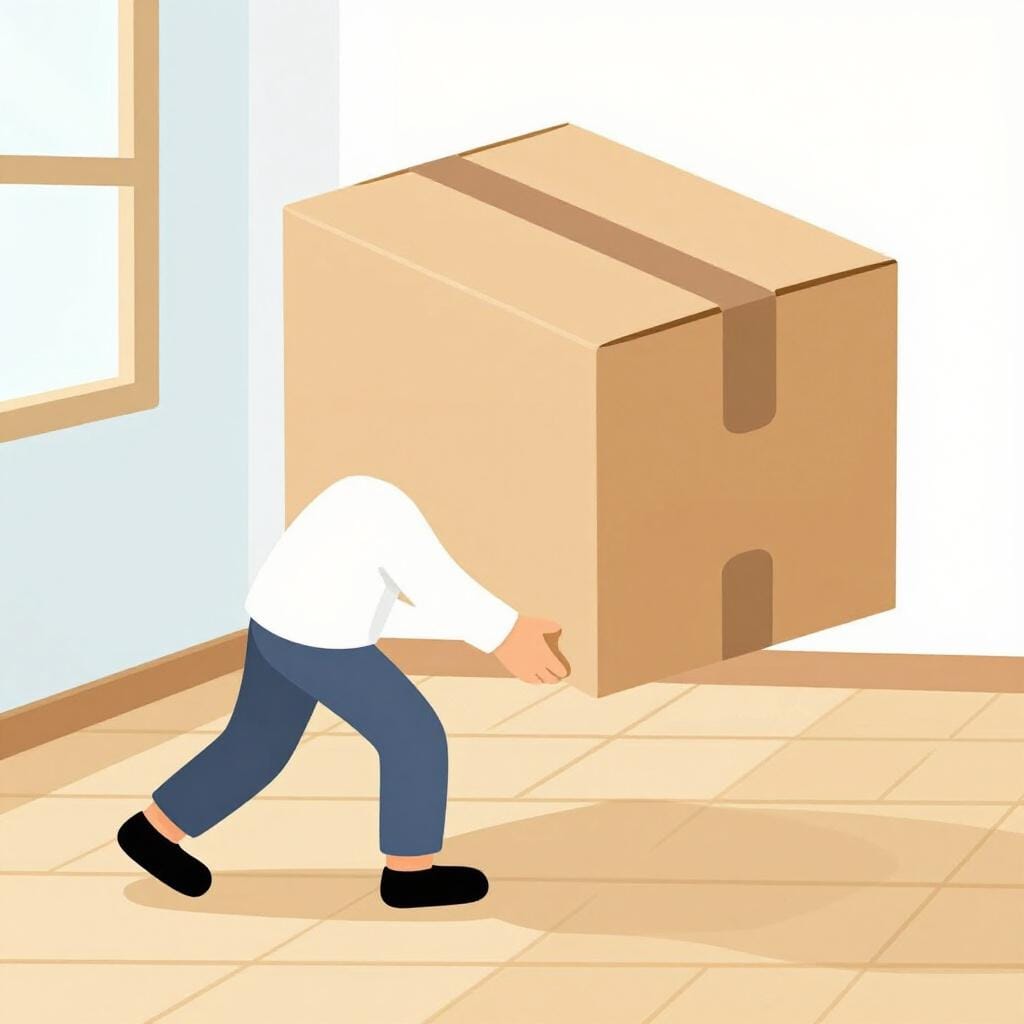
Es difícil trasladar todos estos muebles en un solo coche.
It is difficult to move all this furniture in just one car.
When to use 'a' with trasladar
When you are moving a person, you must put the word 'a' before them: 'Trasladaron a María' (They moved Maria).
Trasladar vs. Mover
Use 'trasladar' for significant moves, like changing cities, jobs, or official locations. Use 'mover' for small physical actions, like moving your arm or a chair.
Moving house
Mistake: “Yo traslado a una casa nueva.”
Correction: Me traslado a una casa nueva.
Physical vs. Emotional Movement
Related Translations
Learn Spanish with Inklingo
Interactive stories, personalized learning, and more.