How to Say "to shift" in Spanish
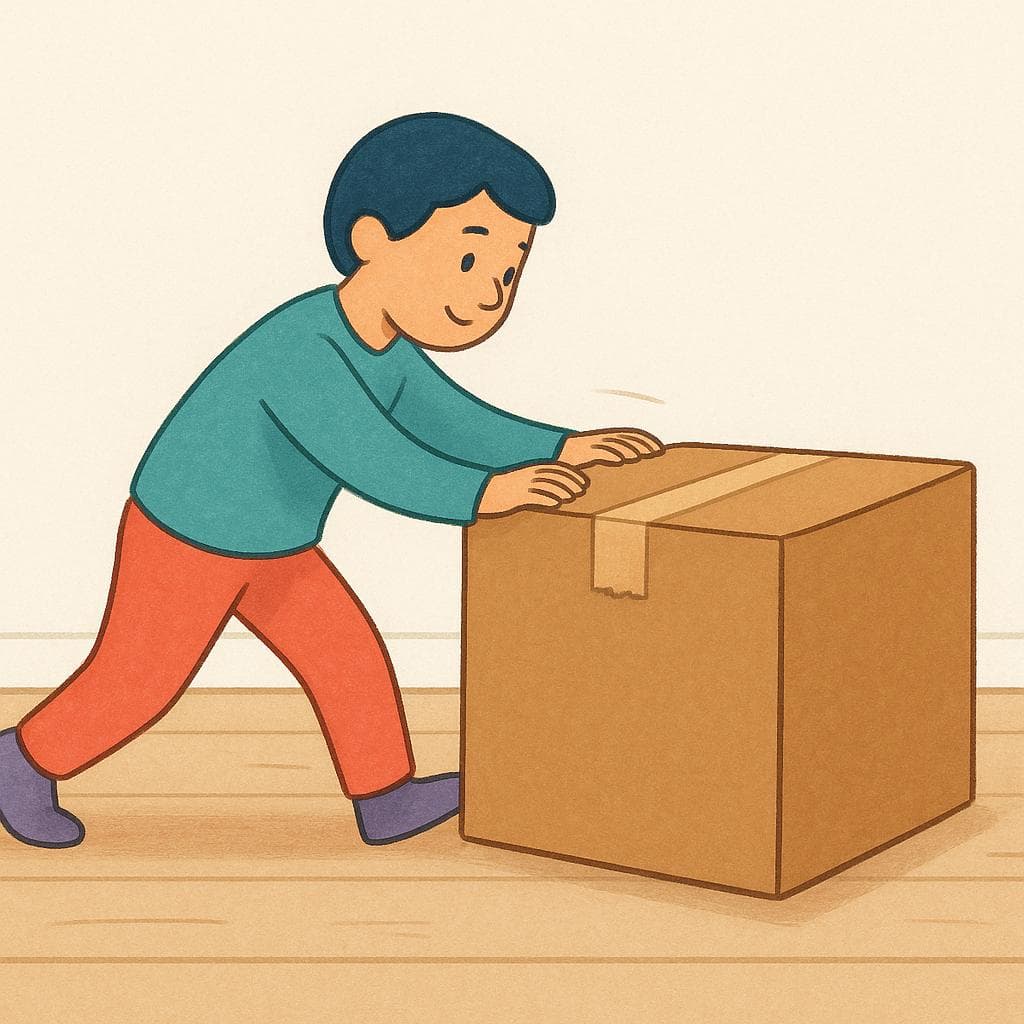
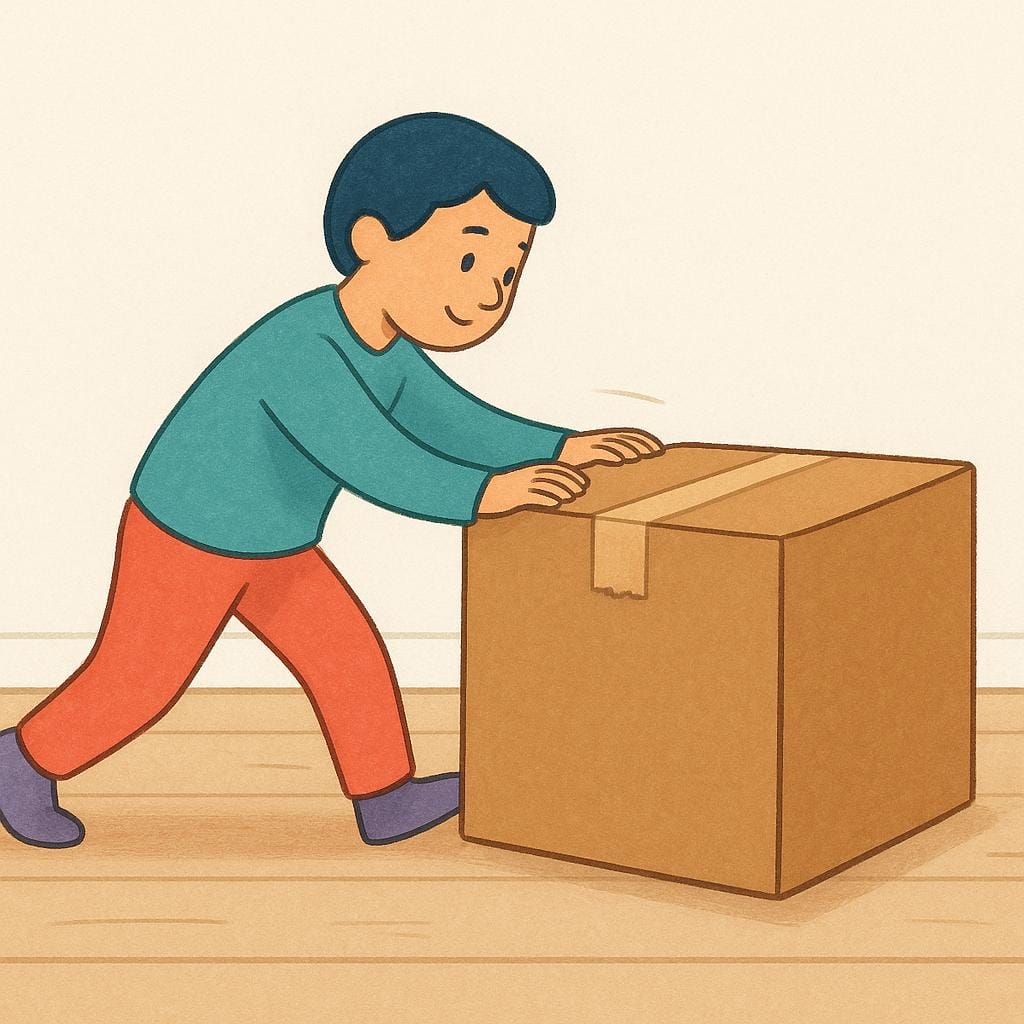
The most common Spanish word for “to shift” is “mover” — use 'mover' when you are simply changing the physical position of an object, often to make space or rearrange something.





mover
moh-VEHRmoˈβeɾ
Examples
Tienes que mover la mesa para que quepa.
You have to move the table so it fits.
Ella mueve la cabeza diciendo que no.
She shakes her head saying no.
¿Puedes mover la cuchara en la sopa, por favor?
Can you stir the spoon in the soup, please?
Stem-Changing Verb
This verb is irregular because the 'o' changes to 'ue' in the present tense (muevo, mueves, mueve, mueven). Remember that the 'we' (nosotros) and 'you all' (vosotros) forms are exceptions and keep the 'o' (movemos, movéis).
Forgetting the Stem Change
Mistake: “Yo movo la caja.”
Correction: Yo muevo la caja. Remember the 'o' changes to 'ue' when the stress is on the verb stem.
moverse
moh-VEHR-sehmoˈβeɾse

Examples
El bebé ya puede moverse solo por toda la casa.
The baby can already move by himself all over the house.
¡Muévete un poco! Estás bloqueando la vista.
Move a little! You're blocking the view.
Me moví para dejarle espacio en el sofá.
I shifted to make space for him on the sofa.
The 'Se' Makes It Reflexive
The 'se' at the end tells you that the person doing the action is also receiving the action. If you just use 'mover' (without the 'se'), you are moving an object (e.g., 'mover la silla' - to move the chair).
Stem Change in Present Tense
In the present tense, the 'o' inside the verb changes to 'ue' for most forms (muevo, mueves, mueve, mueven), but not for 'nosotros' or 'vosotros' (movemos, movéis).
Forgetting the Reflexive Pronoun
Mistake: “Yo muevo a la fiesta.”
Correction: Yo me muevo a la fiesta. (Always use me/te/se/nos/os/se when you mean 'I move myself.')
desplazar
des-plah-SARdesplaˈθaɾ

Examples
Tienes que desplazar el sofá para limpiar debajo.
You have to move the sofa to clean underneath.
Usa el ratón para desplazar la imagen a la derecha.
Use the mouse to shift the image to the right.
La tormenta desplazó mucha arena hacia la carretera.
The storm moved a lot of sand onto the road.
The Spelling Swap
When the verb ends in '-zar', the 'z' changes to a 'c' before an 'e'. This happens in the 'yo' form of the past tense (desplacé) and all present command forms.
Desplazar vs. Mover
Use 'desplazar' when you want to sound a bit more precise or formal about shifting something from its original spot, whereas 'mover' is very general.
Spelling the Past Tense
Mistake: “Yo desplazé.”
Correction: Yo desplacé. (Remember: 'z' changes to 'c' when followed by 'e' to keep the sound correct!)
remover
rreh-moh-behrre.mo.ˈβer

Examples
Tuve que remover todos los cajones para encontrar mi pasaporte.
I had to rummage through all the drawers to find my passport.
No remuevas las piedras, podrías despertar a los bichos.
Don't move the stones around; you might wake up the bugs.
Estuvo removiendo papeles toda la mañana.
He was shifting papers around all morning.
Movement vs. Extraction
Remember that 'remover' implies moving things around in a messy way, while 'quitar' or 'sacar' implies taking them out entirely.
desviar
des-bee-ahrdesˈβjaɾ

Examples
El político intentó desviar la atención de los periodistas.
The politician tried to deflect the journalists' attention.
No intentes desviar el tema de la conversación.
Don't try to sidetrack the topic of the conversation.
El portero desvió el balón con la punta de los dedos.
The goalkeeper deflected the ball with his fingertips.
Using 'se' to talk about yourself
When you want to say someone 'got off track' or 'strayed,' you add 'se' to the end: 'desviarse'. This makes it about the person moving themselves rather than moving an object.
Don't confuse with 'evitar'
Mistake: “Desvié el problema.”
Correction: Evité el problema. (Use 'desviar' if you are changing the path of something that is already coming at you, like a ball or a question. Use 'evitar' to avoid the situation entirely.)
virar
bee-RAHRbiˈɾaɾ

Examples
El gobierno viró su política económica.
The government shifted its economic policy.
La opinión pública viró hacia el optimismo.
Public opinion shifted toward optimism.
Después del debate, muchos viraron su voto.
After the debate, many changed their vote.
Figurative turning
Just like in English we say a conversation 'took a turn,' in Spanish, 'virar' can describe abstract things like thoughts or politics changing direction.
Physical vs. Abstract Shifting
Related Translations
Learn Spanish with Inklingo
Interactive stories, personalized learning, and more.