desplazar
“desplazar” means “to move” in Spanish. It has 3 different meanings depending on context:
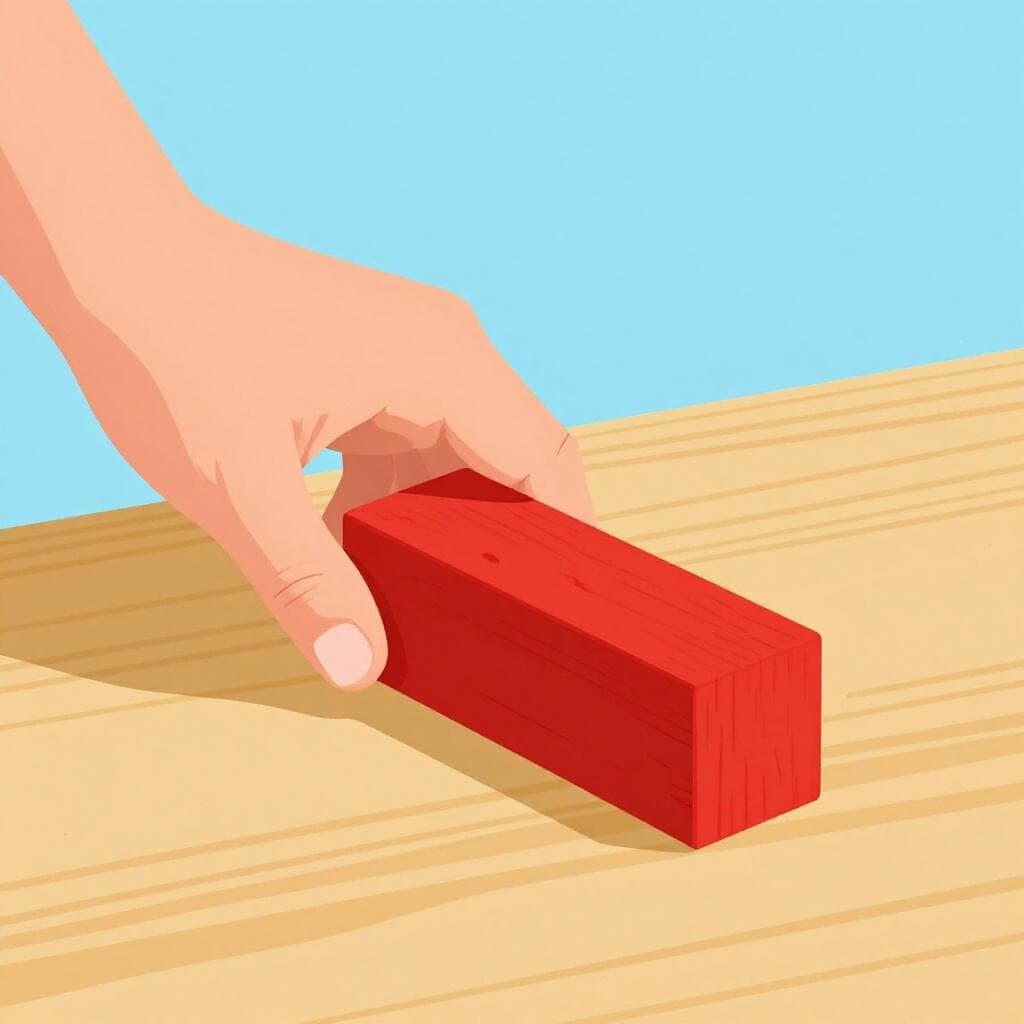


to move, to shift
Also: to scroll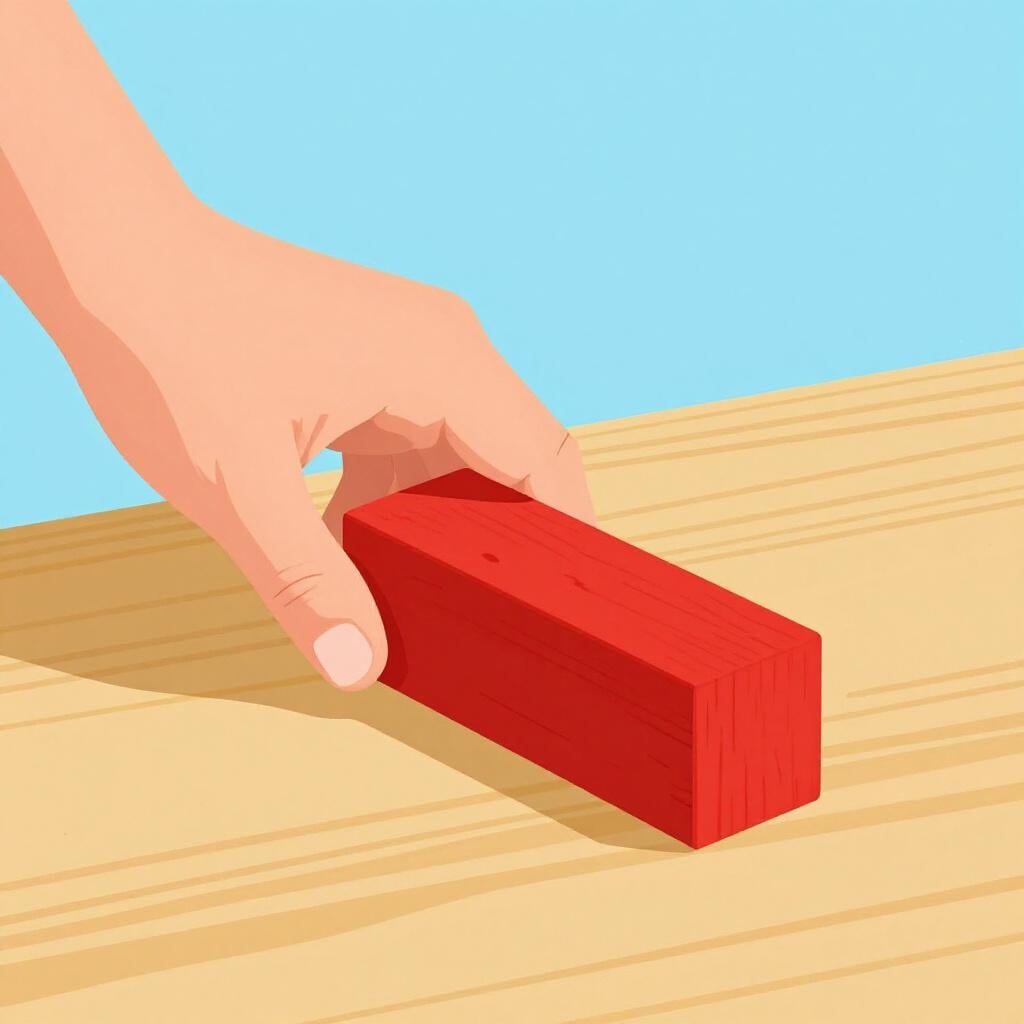
📝 In Action
Tienes que desplazar el sofá para limpiar debajo.
A2You have to move the sofa to clean underneath.
Usa el ratón para desplazar la imagen a la derecha.
A2Use the mouse to shift the image to the right.
La tormenta desplazó mucha arena hacia la carretera.
B1The storm moved a lot of sand onto the road.
to travel, to get around

📝 In Action
Mucha gente se desplaza en metro en Madrid.
B1Many people get around by metro in Madrid.
Es difícil desplazarse por la ciudad sin coche.
B1It's difficult to get around the city without a car.
Los animales se desplazan hacia el sur en invierno.
B2Animals move south in the winter.
to displace, to oust

📝 In Action
Las máquinas han desplazado a los trabajadores en la fábrica.
B2Machines have displaced the workers in the factory.
El nuevo producto desplazó a la competencia del mercado.
C1The new product ousted the competition from the market.
Miles de personas fueron desplazadas por el conflicto.
C1Thousands of people were displaced by the conflict.
Subjunctive
Imperfect Subjunctive
Present Subjunctive
Indicative
Preterite
Imperfect
Present
Translate to Spanish
Words that translate to "desplazar" in Spanish:
to displace→to move→to oust→to scroll→to shift→to travel→✏️ Quick Practice
Quick Quiz: desplazar
Question 1 of 3
How do you say 'I moved' (past tense) in Spanish?
📚 More Resources
👥 Word Family▼
🎵 Rhymes▼
📚 Etymology▼
Comes from the prefix 'des-' (meaning 'undo' or 'away') and 'plaza' (meaning 'place' or 'square'). Literally, it means to take something out of its place.
First recorded: 17th Century
Cognates (Related words)
💡 Master Spanish
Take your Spanish to the next level. Read 200+ illustrated and narrated Spanish stories tailored to your level with the Inklingo app!
Frequently Asked Questions
What is the difference between 'mover' and 'desplazar'?
'Mover' is simple movement (like moving your arm). 'Desplazar' implies shifting something from one specific coordinate or location to another, often over a distance.
Is 'desplazarse' used for vacations?
It can be, but it's more about the physical act of traveling. For a vacation, 'viajar' is much more common. 'Desplazarse' is more for daily commuting or tactical movement.
Why does 'desplacé' have a 'c' instead of a 'z'?
Spanish phonics rules! A 'z' almost never appears before 'e' or 'i' in Spanish; it switches to 'c' to keep the soft 's' sound.