plaza
“plaza” means “town square” in Spanish. It has 3 different meanings depending on context:
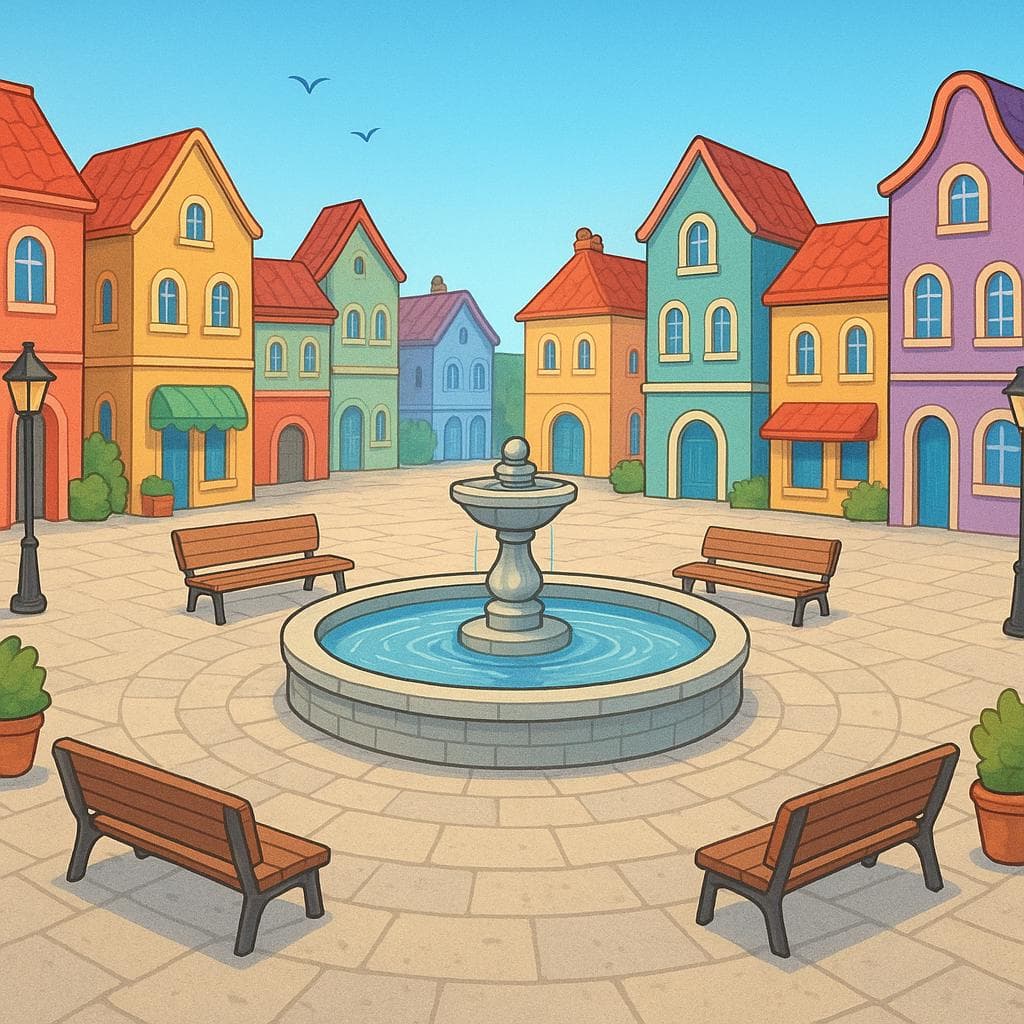

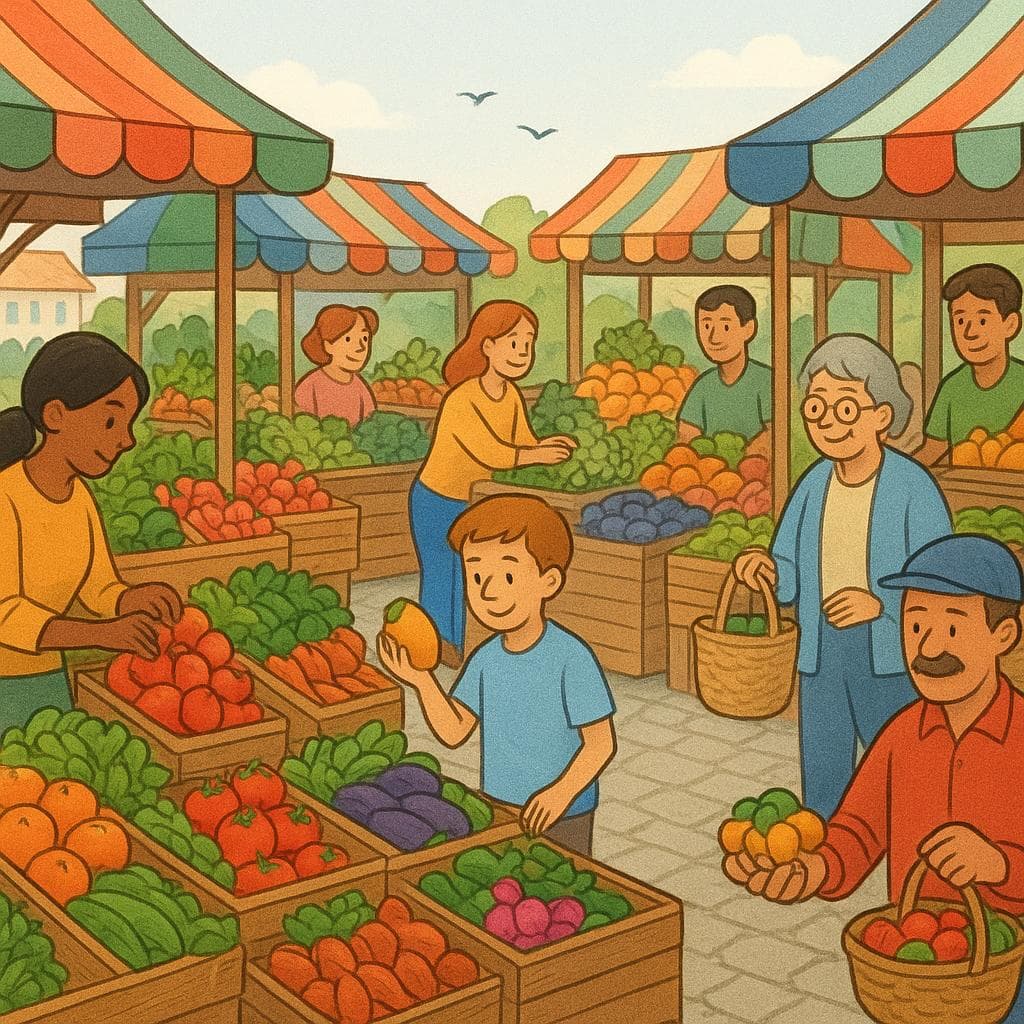
town square, public square
Also: piazza
📝 In Action
Nos vemos en la plaza central a las cinco.
A1We'll meet in the central square at five o'clock.
La fuente de la plaza es muy antigua.
A2The fountain in the square is very old.
position, vacancy
Also: space
📝 In Action
Hay una plaza disponible en el departamento de ventas.
B1There is a position available in the sales department.
¿Cuántas plazas hay para el curso de verano?
B2How many spots are there for the summer course?
market, shopping mall
Also: town/city
📝 In Action
La plaza de abastos abre temprano para vender pescado fresco.
B1The wholesale market opens early to sell fresh fish.
Vamos a la plaza a comprar ropa nueva.
A2Let's go to the shopping mall to buy new clothes. (Common in some regions)
Translate to Spanish
Words that translate to "plaza" in Spanish:
market→piazza→position→public square→shopping mall→space→town square→vacancy→✏️ Quick Practice
Quick Quiz: plaza
Question 1 of 1
Which sentence uses 'plaza' to mean 'job vacancy'?
📚 More Resources
👥 Word Family▼
📚 Etymology▼
The word comes from the Latin word *platea*, which meant 'broad street' or 'courtyard.' This, in turn, came from an ancient Greek term meaning 'broad road.' It’s the same root that gives us the English word 'place,' emphasizing the idea of an open, defined space.
First recorded: Around the 11th or 12th century in Spanish.
Cognates (Related words)
💡 Master Spanish
Take your Spanish to the next level. Read 200+ illustrated and narrated Spanish stories tailored to your level with the Inklingo app!
Frequently Asked Questions
Is 'plaza' the same as 'parque'?
Not exactly. While both are public spaces, a 'plaza' is usually paved, often surrounded by buildings, and is the traditional social and civic center. A 'parque' is generally a green space or garden with trees and grass.
How do I know if 'plaza' means 'square' or 'shopping mall'?
Context is key. If someone mentions 'la plaza mayor' or 'la plaza central,' they mean the town square. If they say 'la plaza comercial' or mention buying items from shops, they likely mean a shopping center, especially in Latin America.