reemplazar
“reemplazar” means “to replace” in Spanish (substituting one thing or person for another).
to replace
Also: to substitute, to fill in for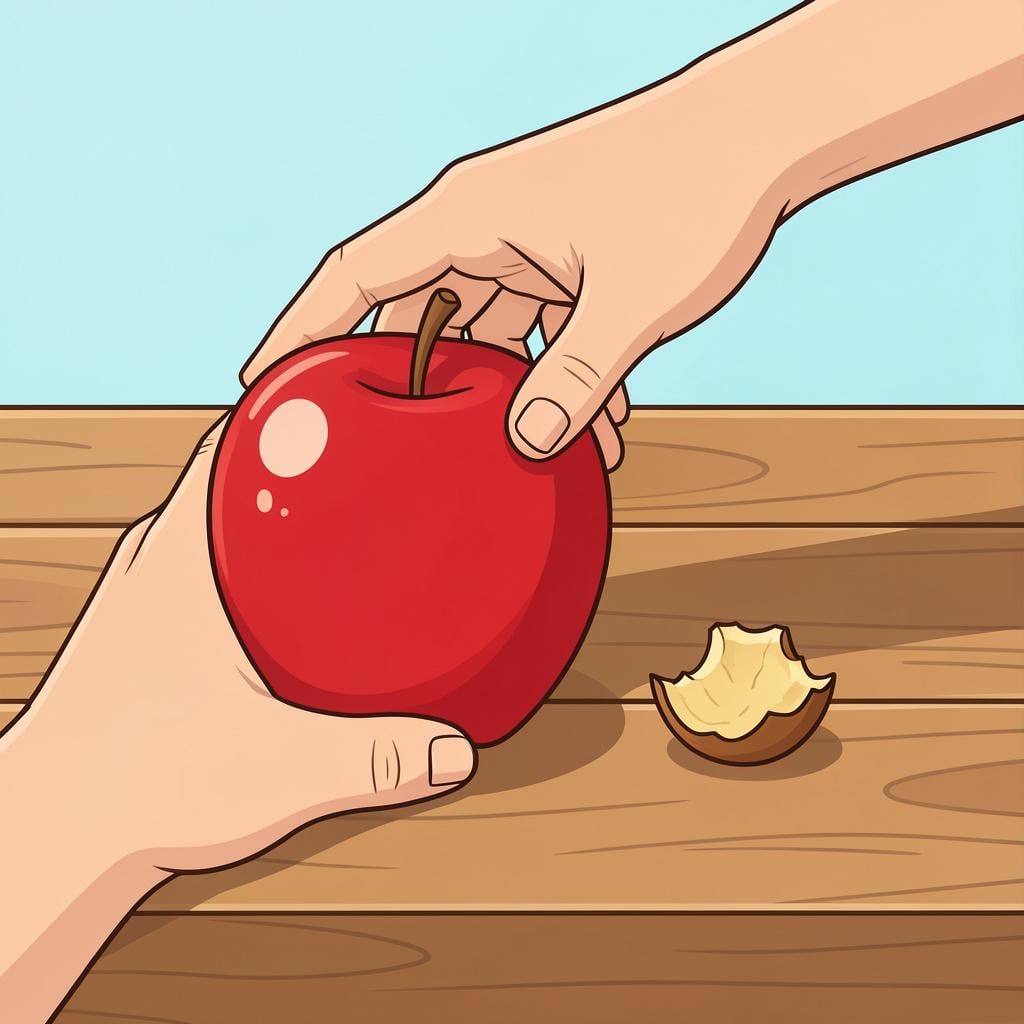
📝 In Action
Tengo que reemplazar la bombilla de la cocina.
A2I have to replace the kitchen light bulb.
Nadie puede reemplazar a una madre.
B1Nobody can replace a mother.
El entrenador reemplazó al jugador lesionado.
B1The coach replaced the injured player.
Subjunctive
Imperfect Subjunctive
Present Subjunctive
Indicative
Preterite
Imperfect
Present
Translate to Spanish
✏️ Quick Practice
Quick Quiz: reemplazar
Question 1 of 2
How do you say 'I replaced' in Spanish?
📚 More Resources
👥 Word Family▼
📚 Etymology▼
From the Spanish prefix 're-' (again/back) and the word 'emplazar' (to place or summon), which comes from 'en-' (in) and 'plaza' (place/square).
First recorded: 17th century
Cognates (Related words)
💡 Master Spanish
Take your Spanish to the next level. Read 200+ illustrated and narrated Spanish stories tailored to your level with the Inklingo app!
Frequently Asked Questions
What is the difference between 'reemplazar' and 'sustituir'?
They are very similar and often interchangeable. 'Reemplazar' is more common in everyday speech for objects, while 'sustituir' can feel slightly more formal or technical.
Is 'reemplazar' a regular verb?
Almost! It follows regular -ar patterns, but it has a small spelling change (z to c) in the 'yo' form of the past tense and in the special forms for wishes/commands (subjunctive).