How to Say "to stir" in Spanish
The most common Spanish word for “to stir” is “mezclar” — use this word when you are mixing ingredients together, often with a tool, in a general sense.

Use this word when you are mixing ingredients together, often with a tool, in a general sense.
Learn more →
Use this for the action of stirring liquids or food, especially to dissolve something or to ensure even cooking.
Learn more →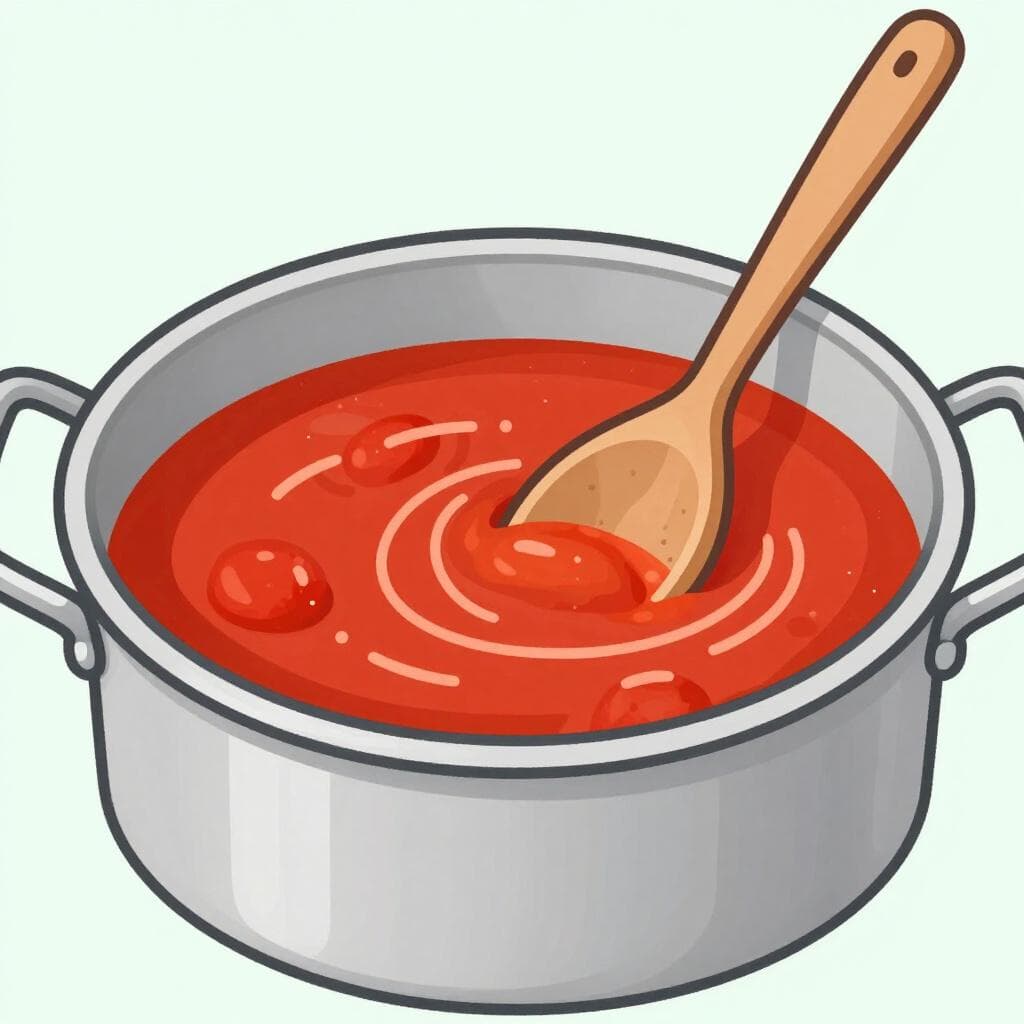
This is used specifically for stirring food or liquids that are within a container, often to prevent burning or to mix.
Learn more →
Use this when 'to stir' means to evoke strong emotions like sympathy or pity.
Learn more →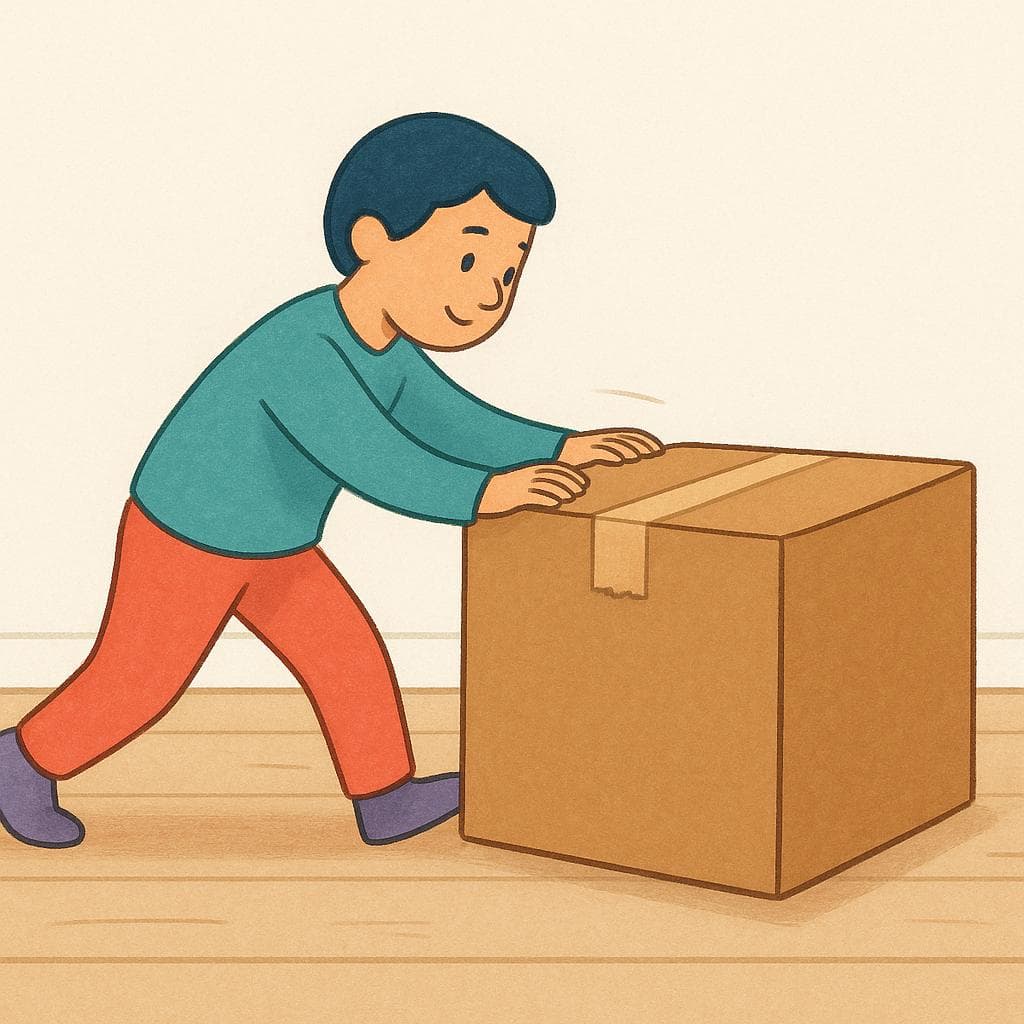
This is a general verb for 'to move' and can be used for stirring food or liquids, but it's less specific than 'mezclar', 'remover', or 'menear'.
Learn more →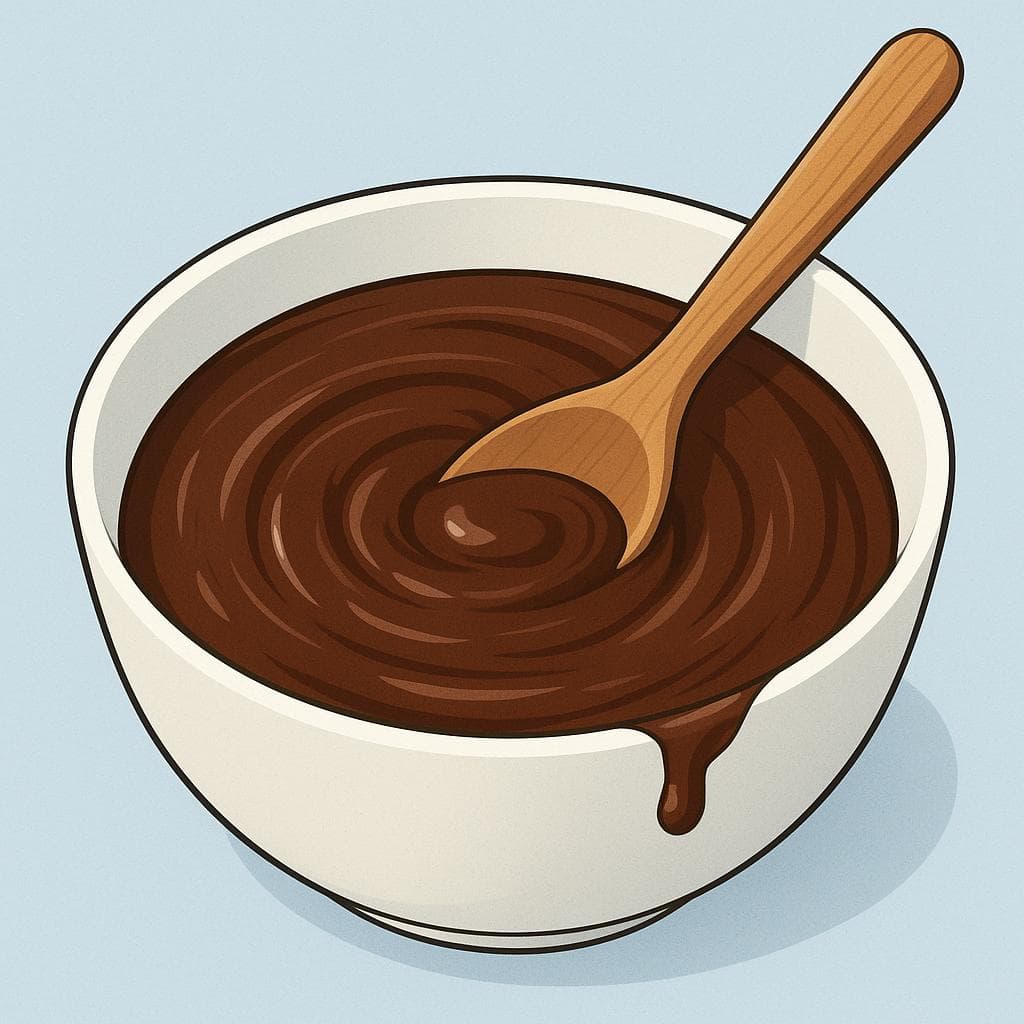
This word implies a more thorough or vigorous mixing of ingredients, often used in culinary contexts.
Learn more →mess-KLARmesˈklaɾ

Examples
Tienes que mezclar los huevos con el azúcar.
You have to mix the eggs with the sugar.
Si mezclas azul y amarillo, obtienes verde.
If you mix blue and yellow, you get green.
No mezcles la ropa blanca con la de color.
Don't mix the white clothes with the colored ones.
Using the connector 'con'
When mixing one thing into another, Spanish always uses the word 'con' (with). Example: 'Mezcla el agua con la harina'.
The Z to C spelling swap
To keep the pronunciation smooth, the 'z' in mezclar changes to a 'c' whenever the next letter is an 'e'. This happens in the 'yo' form of the past and all 'special forms' (subjunctive).
Don't use 'en' for ingredients
Mistake: “Mezclo el azúcar en el café.”
Correction: Mezclo el azúcar con el café. In Spanish, you mix something 'with' something else, rather than 'in' it.
rreh-moh-behrre.mo.ˈβer

Examples
Tienes que remover el café para que el azúcar se disuelva.
You have to stir the coffee so the sugar dissolves.
Remueve la sopa constantemente para que no se pegue al fondo.
Stir the soup constantly so it doesn't stick to the bottom.
Removió la pintura con un palo antes de usarla.
He stirred the paint with a stick before using it.
The Stem Change
This verb is a 'boot verb.' The 'o' changes to 'ue' in all present tense forms except for 'we' (nosotros) and 'you all' (vosotros).
False Friend Alert!
Mistake: “Using 'remover' to mean 'to take off' clothes or 'remove' a stain.”
Correction: Use 'quitar' for removing objects or stains. Say 'Quitar la mancha' not 'Remover la mancha'.
meh-neh-AHRme.neˈaɾ
Examples
Menea la sopa para que no se queme.
Stir the soup so it doesn't burn.
Tienes que menear bien el café para disolver el azúcar.
You have to stir the coffee well to dissolve the sugar.
Estaba meneando la pintura con un palo.
He was stirring the paint with a stick.
Transitive Use
When you stir something, that 'something' comes directly after the verb without a preposition. 'Menea la sopa'.
kohn-moh-BEHRkonmoˈβeɾ

Examples
La historia del niño conmovió a todos.
The boy's story moved everyone.
Sus palabras me conmovieron profundamente.
Her words touched me deeply.
Es una película que logra conmover sin ser demasiado triste.
It is a movie that manages to be moving without being too sad.
The 'O' to 'UE' Swap
This verb is a 'stem-changer.' When you stress the middle of the word (like in 'conmuevo'), the 'o' changes to 'ue'. This happens in all present tense forms except 'nosotros' and 'vosotros'.
Don't Forget the Personal 'A'
When you are moving someone (a person or pet) emotionally, you must put the word 'a' before them: 'Conmovió a María'.
Mover vs. Conmover
Mistake: “La música me movió mucho.”
Correction: La música me conmovió mucho. Use 'mover' for physical movement (moving a chair) and 'conmover' for emotional movement.
moh-VEHRmoˈβeɾ
Examples
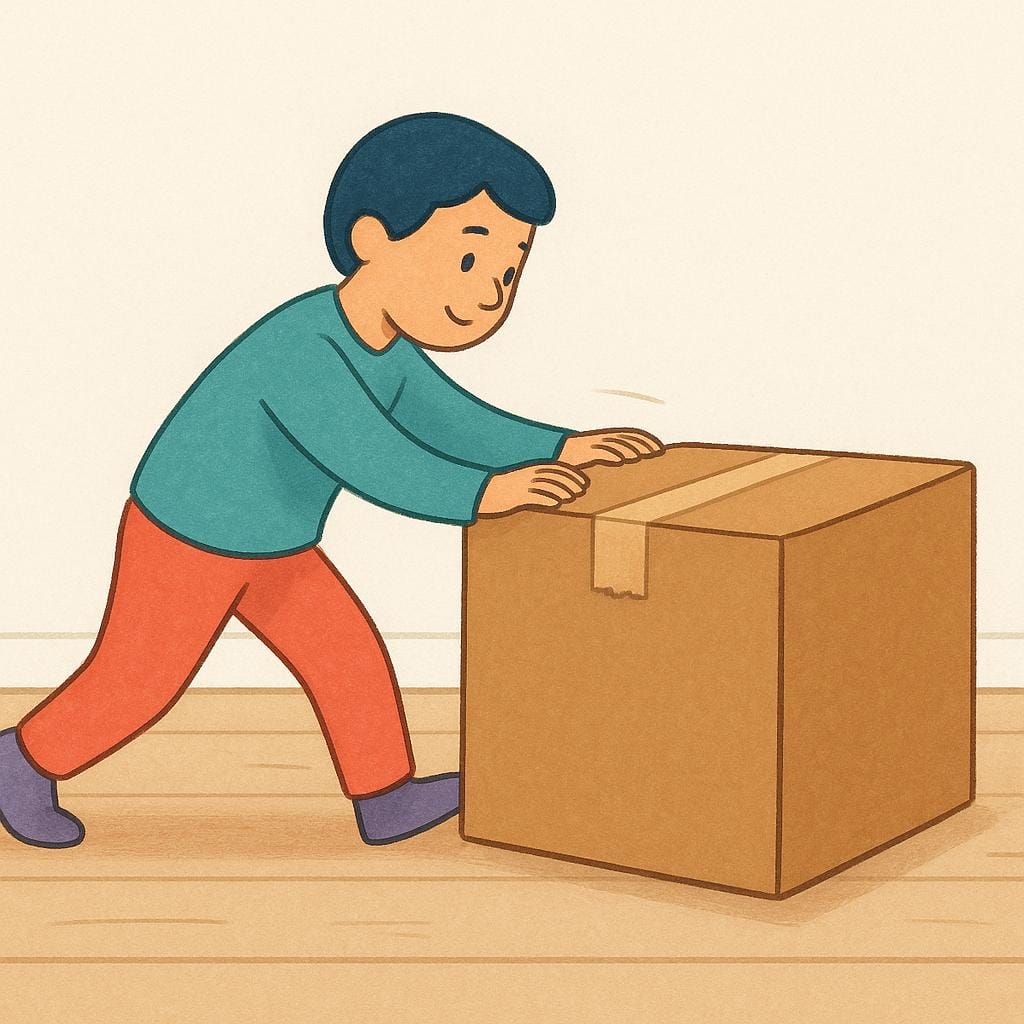
Tienes que mover la mesa para que quepa.
You have to move the table so it fits.
Ella mueve la cabeza diciendo que no.
She shakes her head saying no.
¿Puedes mover la cuchara en la sopa, por favor?
Can you stir the spoon in the soup, please?
Stem-Changing Verb
This verb is irregular because the 'o' changes to 'ue' in the present tense (muevo, mueves, mueve, mueven). Remember that the 'we' (nosotros) and 'you all' (vosotros) forms are exceptions and keep the 'o' (movemos, movéis).
Forgetting the Stem Change
Mistake: “Yo movo la caja.”
Correction: Yo muevo la caja. Remember the 'o' changes to 'ue' when the stress is on the verb stem.
reh-VOHL-vehrreˈβolβeɾ
Examples
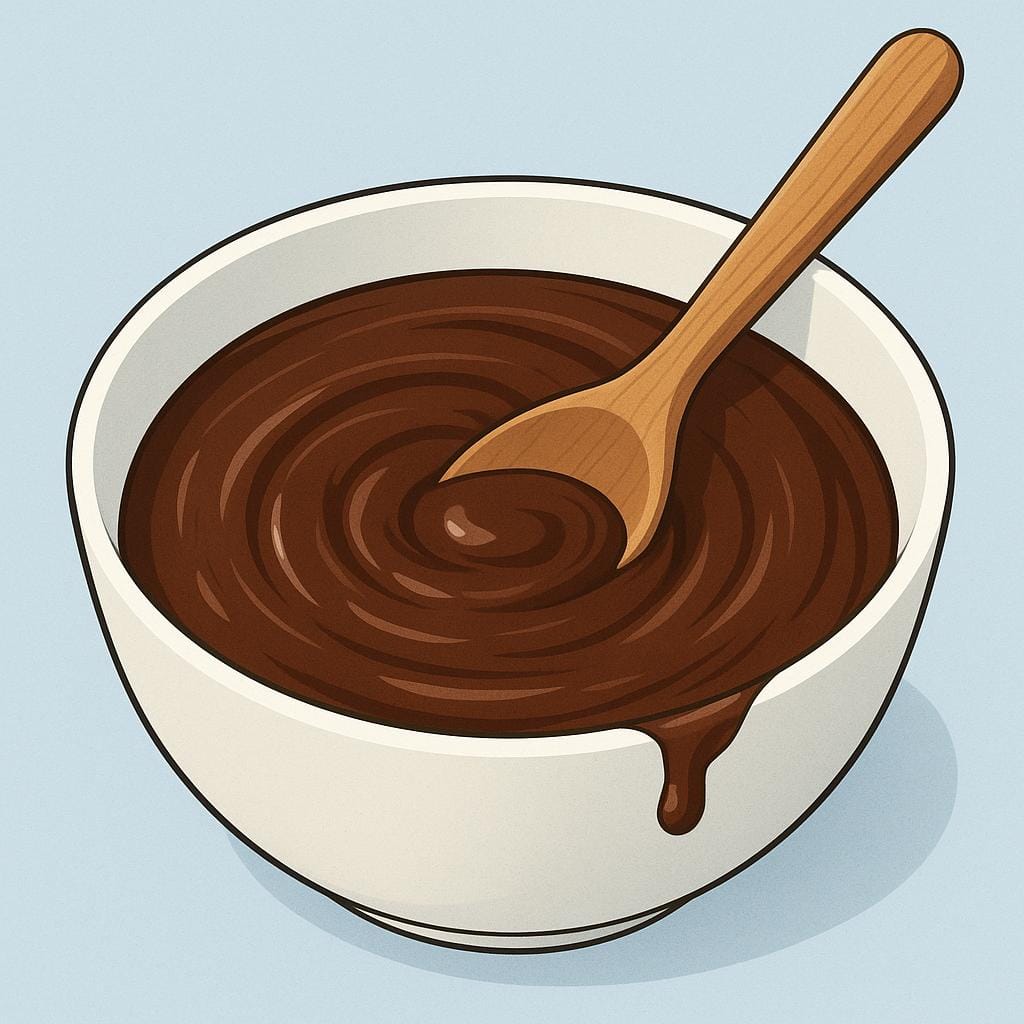
Ella revuelve el chocolate caliente antes de servirlo.
She stirs the hot chocolate before serving it.
El político sigue revolviendo el pasado para encontrar errores.
The politician keeps turning over the past to find mistakes.
The O to UE Change
In the present tense, the 'o' in the middle of the verb changes to 'ue' (revuelvo, revuelves) for most subjects, but not for 'nosotros' or 'vosotros' (revolvemos, revolvéis).
Past Participle
The past participle is 'revuelto,' which is often used as an adjective meaning 'mixed' or 'scrambled' (like 'huevos revueltos'—scrambled eggs).
Forgetting the Stem Change
Mistake: “Using 'yo revolvo' instead of 'yo revuelvo' in the present tense.”
Correction: Remember that the 'o' becomes 'ue' when the stress falls on that part of the word.
Mixing 'stirring food' verbs
Learners often confuse 'mezclar', 'remover', and 'menear' when referring to food or drinks. Remember 'mezclar' is general mixing, 'remover' is for dissolving or even cooking, and 'menear' is specifically stirring something in a container.
Related Translations
Learn Spanish with Inklingo
Interactive stories, personalized learning, and more.