revólver
“revólver” means “revolver” in Spanish. It has 2 different meanings depending on context:
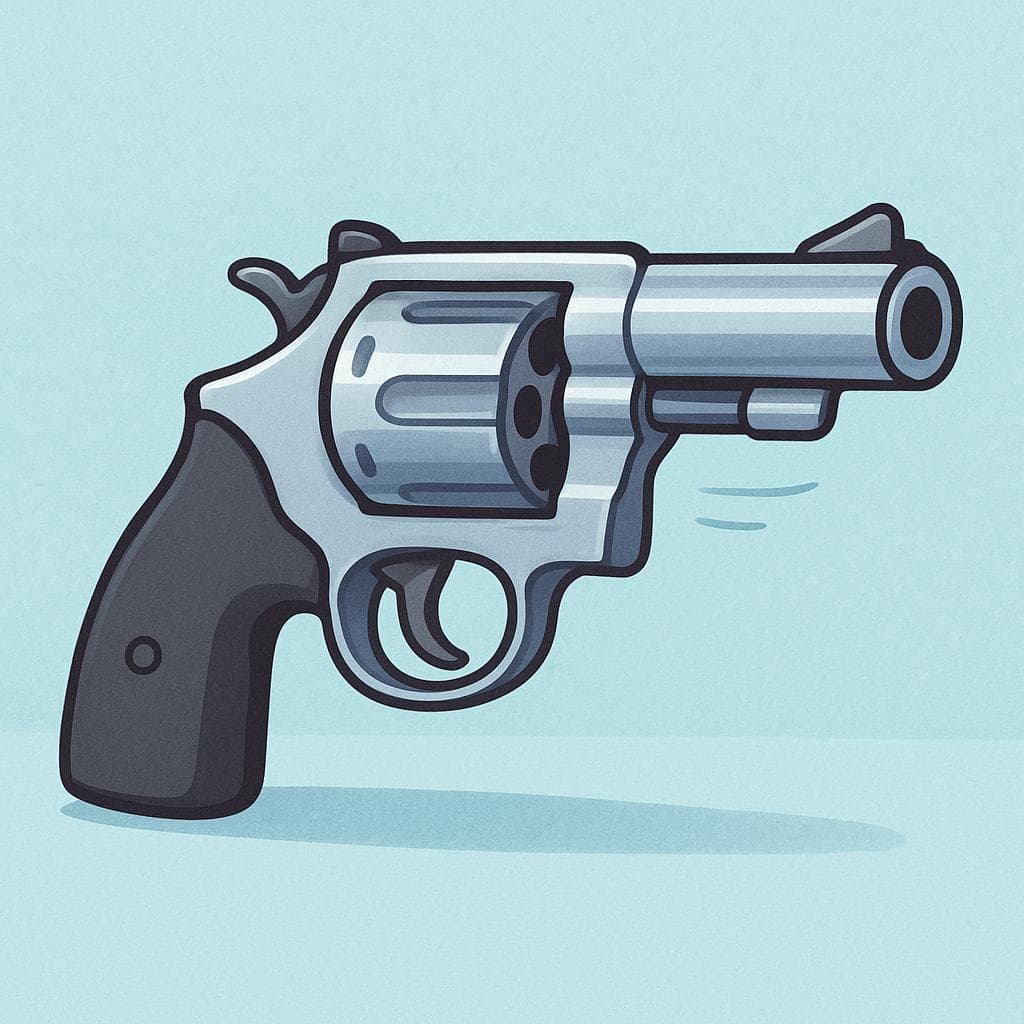

revolver
Also: handgun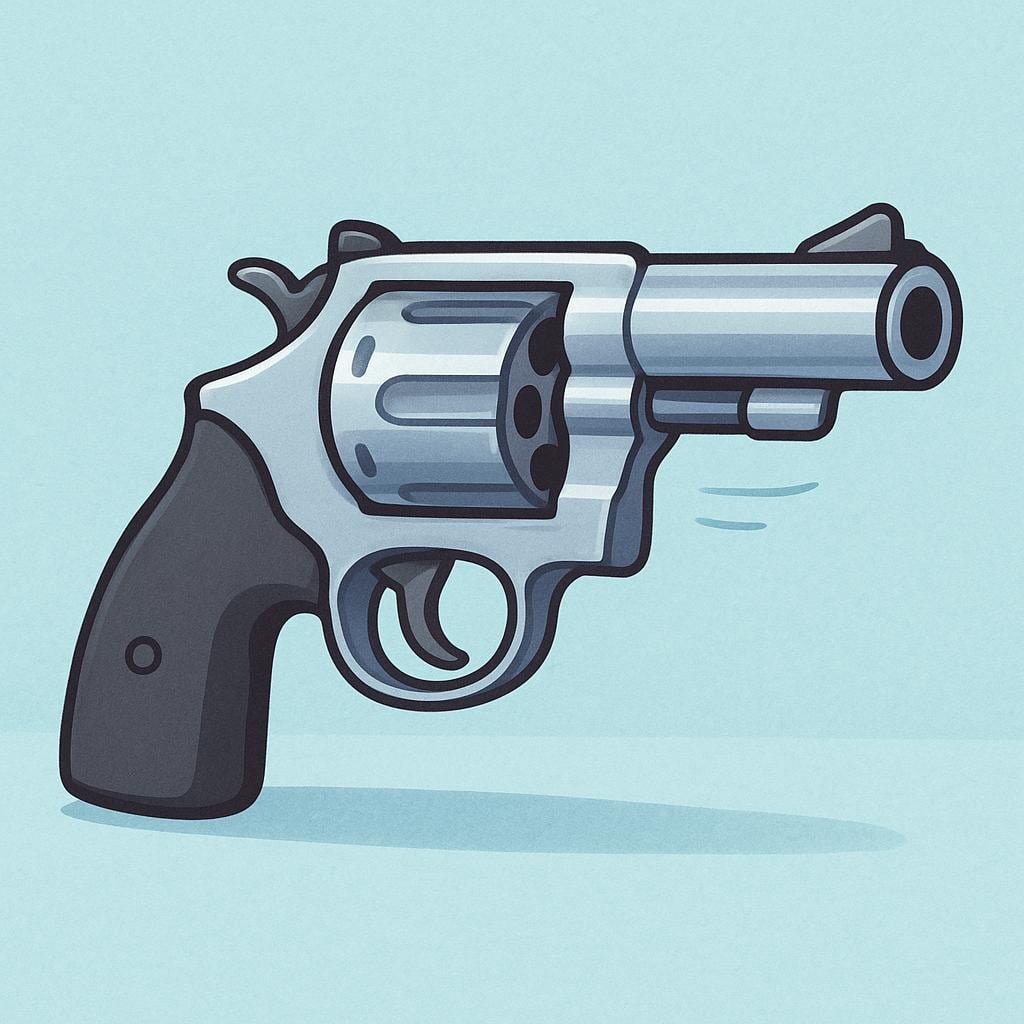
📝 In Action
El policía sacó su revólver de la funda.
B1The police officer took his revolver out of the holster.
Encontraron un viejo revólver oxidado en el granero.
B2They found an old, rusty revolver in the barn.
to stir, to turn over
Also: to revolve, to churn
📝 In Action
Ella revuelve el chocolate caliente antes de servirlo.
A2She stirs the hot chocolate before serving it.
El político sigue revolviendo el pasado para encontrar errores.
C1The politician keeps turning over the past to find mistakes.
Indicative
Imperfect
Present
Preterite
Subjunctive
Imperfect Subjunctive
Present Subjunctive
Translate to Spanish
✏️ Quick Practice
Quick Quiz: revólver
Question 1 of 2
Which sentence uses 'revólver' as the verb 'to stir'?
📚 More Resources
👥 Word Family▼
📚 Etymology▼
The word comes directly from the Latin verb *revolvere*, which meant 'to roll back' or 'to turn around.' This root applies both to the spinning cylinder of the firearm and the action of stirring or turning things over.
First recorded: 19th century (for the firearm meaning)
Cognates (Related words)
💡 Master Spanish
Take your Spanish to the next level. Read 200+ illustrated and narrated Spanish stories tailored to your level with the Inklingo app!
Frequently Asked Questions
How do I know if 'revólver' is the noun or the verb?
The easiest way to tell is the accent mark: the noun 'revólver' has an accent on the 'o' and means 'gun.' The verb 'revolver' (in its base, infinitive form) has no accent mark and means 'to stir' or 'to spin.' Context, of course, is the final clue!
Is the verb 'revolver' always irregular?
Yes, it is irregular because the 'o' in the middle changes to 'ue' in several important forms (like the present tense). You must memorize these changes.