How to Say "to exercise" in Spanish
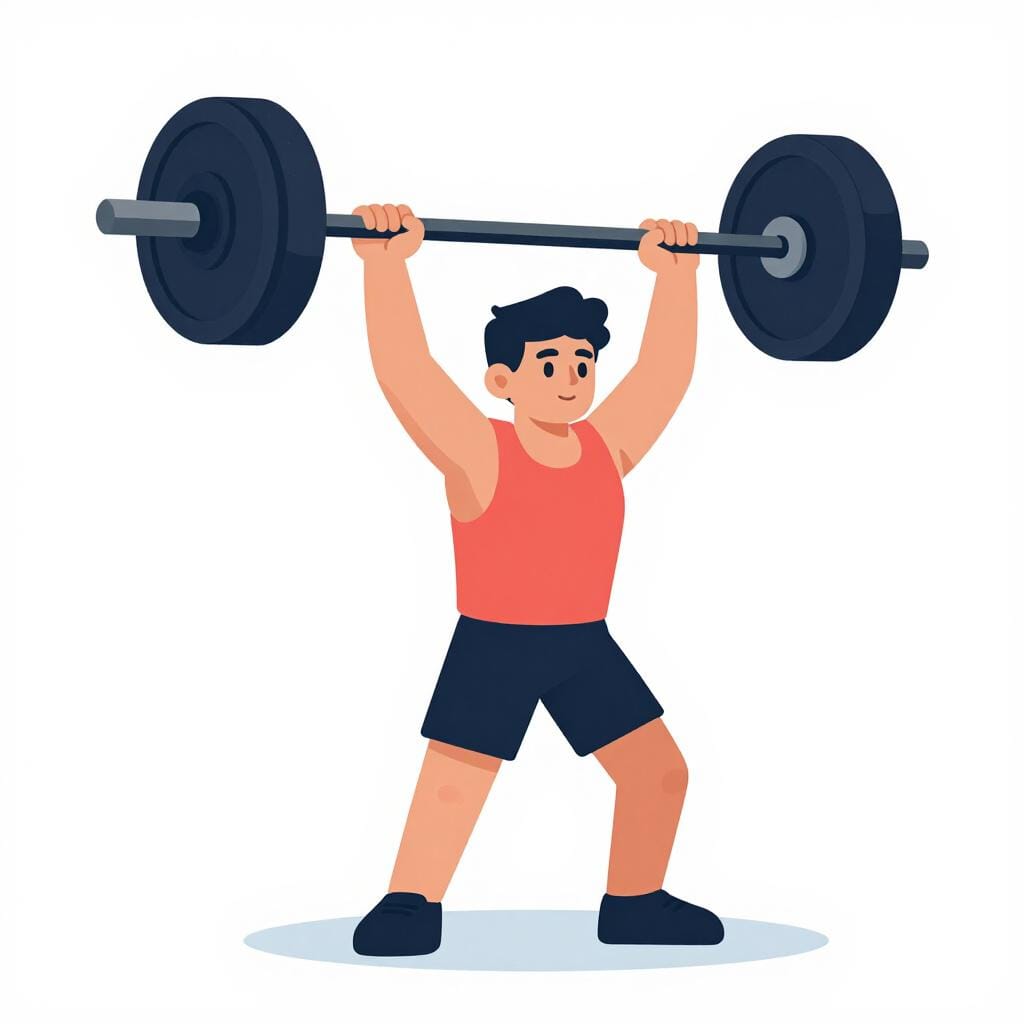
The most common Spanish word for “to exercise” is “ejercitar” — use this word when referring to physical activity involving muscles or body parts, or when talking about actively using a right or power.



ejercitar
e-her-see-TARexersiˈtar
Examples
Es importante ejercitar los músculos de la espalda.
It is important to exercise the back muscles.
Debes ejercitar la mente leyendo libros difíciles.
You should exercise your mind by reading difficult books.
El atleta ejercita su resistencia corriendo cada mañana.
The athlete trains his endurance by running every morning.
El ciudadano tiene el deber de ejercitar su derecho al voto.
The citizen has the duty to exercise their right to vote.
Using 'ejercitar' vs 'ejercitarse'
Use 'ejercitar' when you are working out a specific thing (like 'my legs'). Use 'ejercitarse' when you just want to say 'I am working out' in general.
Always Regular
This verb follows the standard pattern for verbs ending in -ar, so it is easy to conjugate if you know the basic rules!
Ejercitar vs Ejercer
While very similar, 'ejercitar' often implies the actual repeated practice or training, while 'ejercer' is more common for simply holding power or having a job title.
Direct objects
Mistake: “Yo ejercito cada mañana.”
Correction: Yo me ejercito cada mañana (or) Yo hago ejercicio cada mañana. 'Ejercitar' usually needs to say *what* you are exercising.
ejercer
e-her-serexerˈθer

Examples
Los padres suelen ejercer una gran influencia sobre sus hijos.
Parents usually exert a great influence over their children.
Todos los ciudadanos tienen el derecho de ejercer su voto.
All citizens have the right to exercise their vote.
No ejerzas tanta presión sobre el cristal o se romperá.
Don't exert so much pressure on the glass or it will break.
Spelling Change to Z
In the 'yo' form of the present and all forms of the special command/wish mood, the 'c' changes to 'z' (ejerza). This ensures the word keeps sounding like an 's' instead of a hard 'k'.
Spelling with C
Mistake: “Yo ejerco presión.”
Correction: Yo ejerzo presión. In Spanish, 'co' sounds like 'ko', so we need the 'z' to keep it soft.
mover
moh-VEHRmoˈβeɾ
Examples
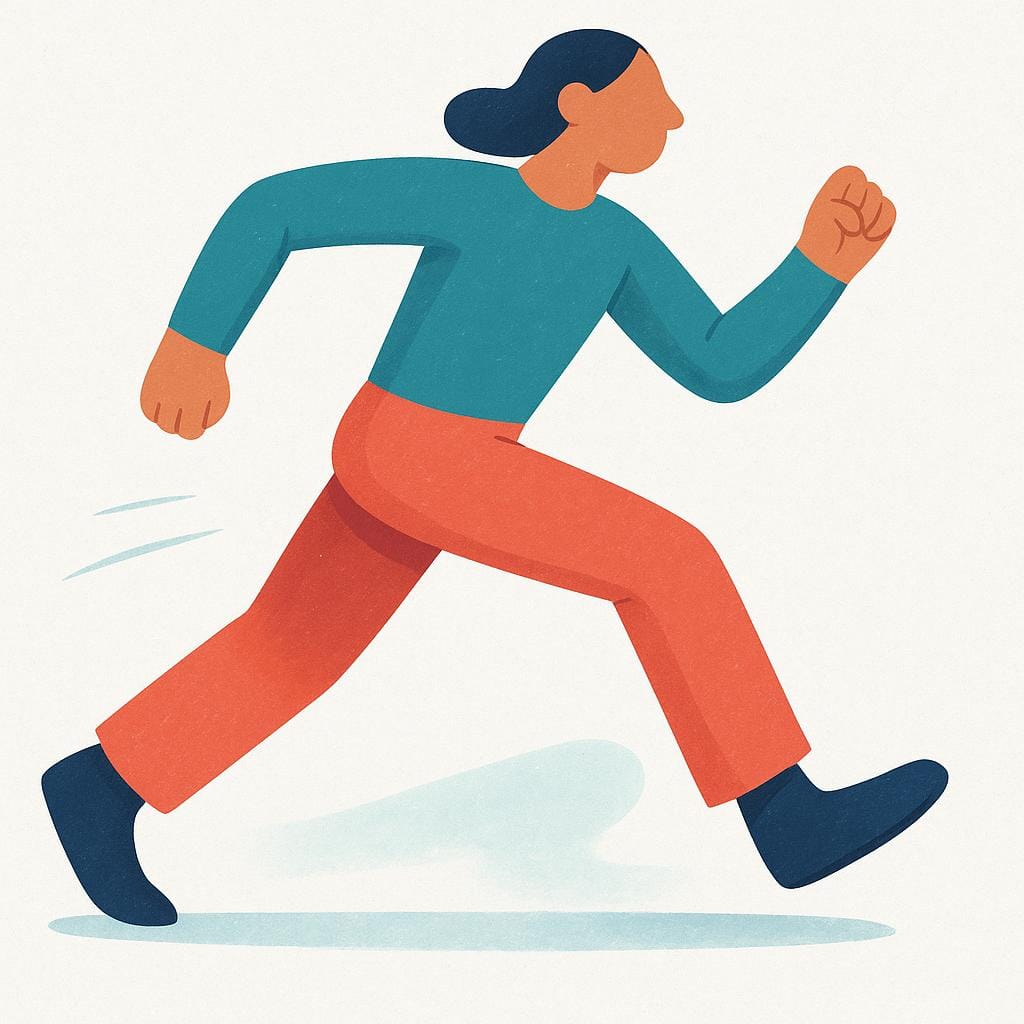
¡Muévete! Vamos a llegar tarde.
Move! / Get going! We are going to be late.
El bebé ya puede moverse solo.
The baby can already move by himself.
Si no te mueves, te quedarás frío.
If you don't move, you will get cold.
Reflexive Action
The reflexive form ('moverse') means the subject is doing the action to itself. You must include the correct pronoun (me, te, se, nos, os, se) before the verb: 'Yo me muevo' (I move myself).
Mixing Transitive and Reflexive
Mistake: “Yo muevo a la izquierda.”
Correction: Yo me muevo a la izquierda. If *you* are changing your position, you must use the reflexive form 'moverse'.
Physical vs. Abstract Exercise
Related Translations
Learn Spanish with Inklingo
Interactive stories, personalized learning, and more.