How to Say "to practice" in Spanish
The most common Spanish word for “to practice” is “practicar” — use this word when referring to improving a skill, sport, or language through repetition and effort.
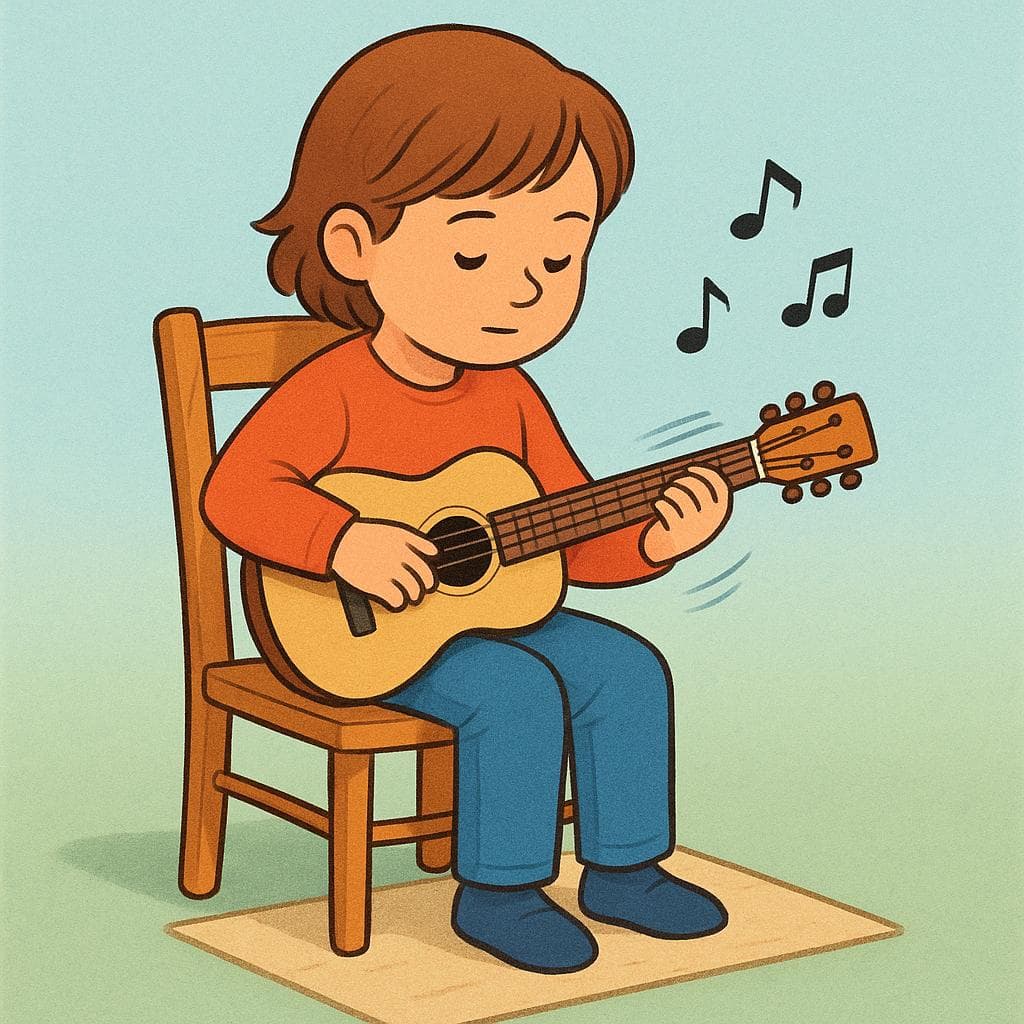



practicar
prak-ti-KARprak.tiˈkaɾ

Examples
Necesitas practicar la guitarra todos los días para mejorar.
You need to practice the guitar every day to improve.
Ellos están practicando su presentación para mañana.
They are rehearsing their presentation for tomorrow.
¿Practicas algún deporte?
Do you play/practice any sport?
Spelling Change for Sound
In the preterite 'yo' form and all subjunctive forms, the 'c' changes to 'qu' (e.g., 'yo practiqué', 'que yo practique'). This is only to keep the hard 'k' sound.
Confusing 'Practicar' and 'Tocar'
Mistake: “Using 'tocar' for practicing a sport or skill (e.g., *tocar fútbol*).”
Correction: Use 'practicar' for skills/sports ('practicar fútbol'). Use 'tocar' only for playing musical instruments or touching objects.
entrenar
en-treh-NARentɾeˈnaɾ

Examples
Me entreno en el gimnasio tres veces a la semana.
I work out at the gym three times a week.
¿A qué hora te entrenas normalmente?
What time do you usually train (yourself)?
Ella se entrena muy duro para la maratón.
She is training very hard for the marathon.
The 'Self' Verb
When you train yourself, you must use the reflexive form 'entrenarse' along with the corresponding pronoun (me, te, se, nos, os, se). This shows that the action comes back to the person doing it.
Missing the Reflexive Pronoun
Mistake: “Yo entreno cada día. (I train every day.)”
Correction: Yo me entreno cada día. (I work out every day.) The reflexive pronoun 'me' is necessary when talking about your own routine.
ensayar
en-sah-YARen.saˈʝar

Examples
La banda tiene que ensayar para el concierto de mañana.
The band has to rehearse for tomorrow's concert.
He estado ensayando mi discurso toda la tarde.
I have been practicing my speech all afternoon.
Regular -ar Pattern
This verb follows the standard rules for verbs ending in -ar, so once you know the pattern, you can conjugate it easily!
Ensayar vs. Practicar
Mistake: “Using 'practicar' for a theater rehearsal.”
Correction: Use 'ensayar' for performances (plays, music) and 'practicar' for sports or general skills.
ejercitar
e-her-see-TARexersiˈtar
Examples
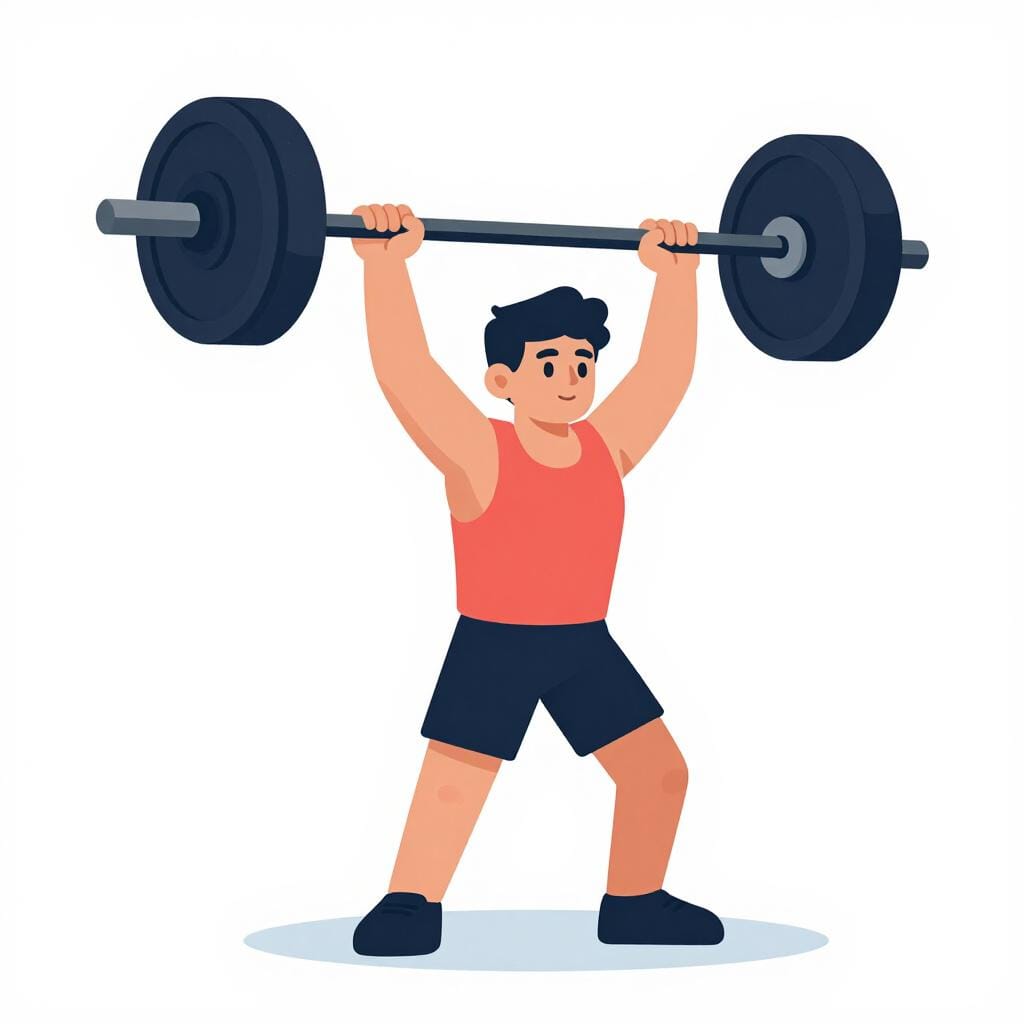
Es importante ejercitar los músculos de la espalda.
It is important to exercise the back muscles.
Debes ejercitar la mente leyendo libros difíciles.
You should exercise your mind by reading difficult books.
El atleta ejercita su resistencia corriendo cada mañana.
The athlete trains his endurance by running every morning.
El ciudadano tiene el deber de ejercitar su derecho al voto.
The citizen has the duty to exercise their right to vote.
Using 'ejercitar' vs 'ejercitarse'
Use 'ejercitar' when you are working out a specific thing (like 'my legs'). Use 'ejercitarse' when you just want to say 'I am working out' in general.
Always Regular
This verb follows the standard pattern for verbs ending in -ar, so it is easy to conjugate if you know the basic rules!
Ejercitar vs Ejercer
While very similar, 'ejercitar' often implies the actual repeated practice or training, while 'ejercer' is more common for simply holding power or having a job title.
Direct objects
Mistake: “Yo ejercito cada mañana.”
Correction: Yo me ejercito cada mañana (or) Yo hago ejercicio cada mañana. 'Ejercitar' usually needs to say *what* you are exercising.
ejercer
e-her-serexerˈθer

Examples
Ella es abogada, pero no ejerce actualmente.
She is a lawyer, but she isn't practicing currently.
Para ejercer como médico en este país, necesitas convalidar tu título.
To practice as a doctor in this country, you need to validate your degree.
Mi abuelo ejerció la docencia durante más de cuarenta años.
My grandfather worked as a teacher for over forty years.
The 'Como' Connection
When you want to say someone is working 'as' a professional, use 'ejercer como' followed by the job title.
Spelling Shift
To keep the soft 's' sound, the 'c' changes to 'z' whenever the ending starts with 'o' or 'a'. For example: 'yo ejerzo' (I practice).
Practicar vs. Ejercer
Mistake: “Practico la abogacía.”
Correction: Ejerzo la abogacía. Use 'ejercer' for official licensed professions; 'practicar' is for sports or hobbies.
Practicar vs. Ejercer
Related Translations
Learn Spanish with Inklingo
Interactive stories, personalized learning, and more.