How to Say "to train" in Spanish
The most common Spanish word for “to train” is “entrenar” — use this for teaching skills, conditioning, or preparing someone for a specific activity like sports or debates.






entrenar
en-treh-NARentɾeˈnaɾ
Examples
El entrenador entrena al equipo para la final.
The coach trains the team for the final.
El profesor entrena a los estudiantes para el debate.
The teacher trains the students for the debate.
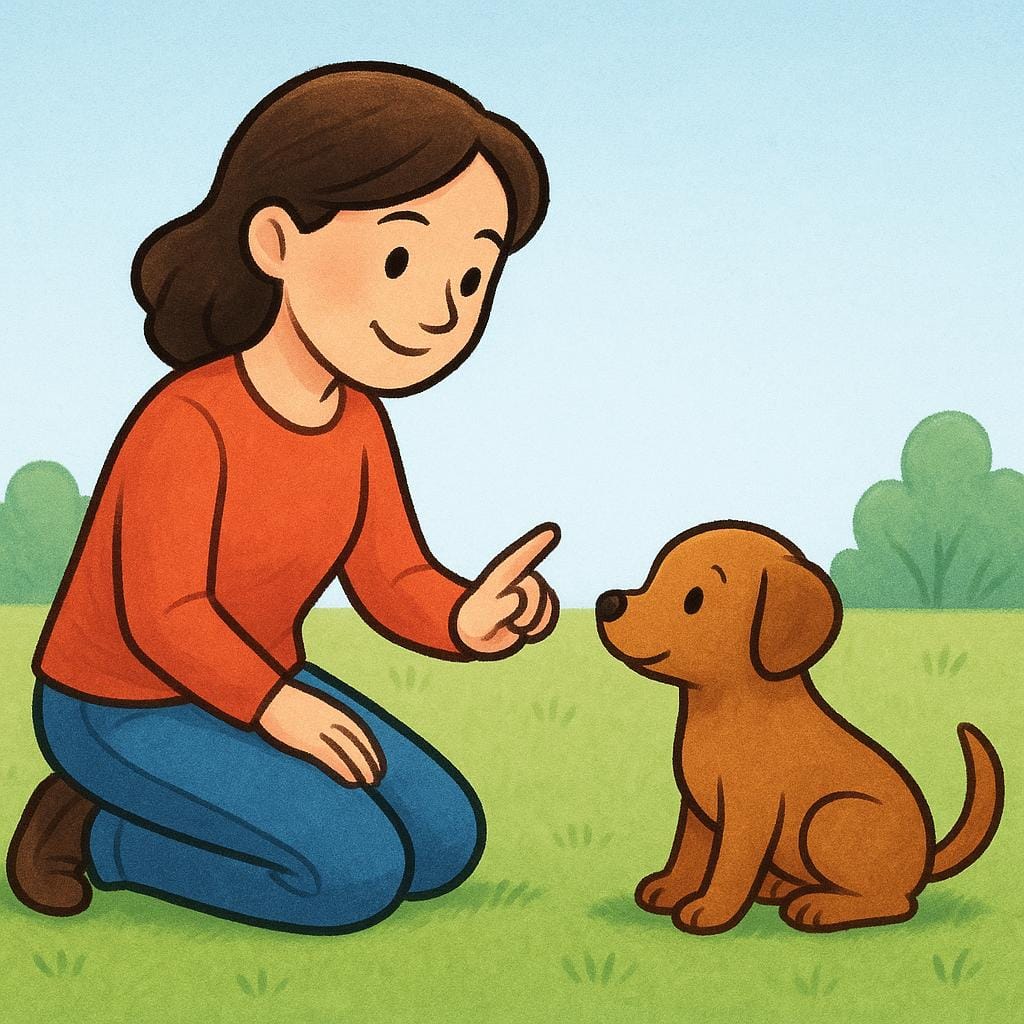
Necesitamos entrenar al perro para que no ladre tanto.
We need to train the dog so it doesn't bark so much.
Mi meta es entrenar un equipo campeón.
My goal is to coach a champion team.
Action on Others
This usage of 'entrenar' focuses on the action you perform on someone else (the person being trained). You need the connector 'a' before the person you are training: 'Yo entreno a María'.
enseñar
Examples
Mi padre me enseñó a arreglar coches.
My father taught me how to fix cars.
formar
for-MARfoɾˈmaɾ

Examples
La universidad lo formó como ingeniero.
The university trained him as an engineer.
Su mentor lo formó como artista durante diez años.
His mentor trained him as an artist for ten years.
La escuela se dedica a formar líderes del futuro.
The school is dedicated to educating future leaders.
Los valores familiares nos forman desde pequeños.
Family values shape us from a young age.
Transitive Use
In this meaning, 'formar' requires a direct object: someone or something that is being trained or shaped (e.g., 'formar ingenieros' — training engineers).
Confusing 'Formar' and 'Aprender'
Mistake: “Using 'Formar' when you mean 'Aprender' (to learn).”
Correction: 'Yo aprendí a programar' (I learned to program). 'La escuela me formó' (The school trained me).
capacitar
ka-pa-see-TARkapasiˈtaɾ

Examples
La compañía capacitará a sus empleados en el nuevo software.
The company will train its employees on the new software.
La empresa va a capacitar a los nuevos empleados la próxima semana.
The company is going to train the new employees next week.
Este curso te capacita para trabajar como técnico de emergencias.
This course qualifies you to work as an emergency technician.
Debemos capacitar a las comunidades para que gestionen sus propios recursos.
We must empower communities so they can manage their own resources.
Using the Personal 'a'
When you are training a person or a specific group of people, you must put the word 'a' before them. For example: 'Capacitar a los maestros'.
The Purpose Connector 'para'
To explain what someone is being trained TO DO, use the word 'para' followed by the base form of the next verb. Example: 'Me capacitan para ayudar'.
Don't confuse with physical training
Mistake: “Voy al gimnasio para capacitarme.”
Correction: Voy al gimnasio para entrenar. 'Capacitar' is for learning skills or getting qualified, not for physical exercise.
instruir
ins-troo-EARinstɾuˈiɾ

Examples
El curso instruye a los participantes en técnicas de jardinería.
The course instructs participants in gardening techniques.
El profesor quiere instruir a sus alumnos en la historia del arte.
The teacher wants to instruct his students in art history.
Es necesario instruir al personal sobre el uso del nuevo sistema.
It is necessary to train the staff on the use of the new system.
Se instruyó a sí mismo leyendo muchos libros.
He educated himself by reading many books.
The 'Y' Spelling Rule
For verbs like 'instruir' that end in -uir, you add a 'y' before endings that start with 'o', 'e', or 'a'. For example, it's 'yo instruyo', not 'instruo'.
Using 'En' for Subjects
When you want to say what subject someone is being taught, use the word 'en'. Example: 'Instruir en matemáticas' (to instruct in mathematics).
Using it for simple teaching
Mistake: “Instruyo a mi hijo a amarrarse los zapatos.”
Correction: Enseño a mi hijo a amarrarse los zapatos.
ejercitar
e-her-see-TARexersiˈtar
Examples
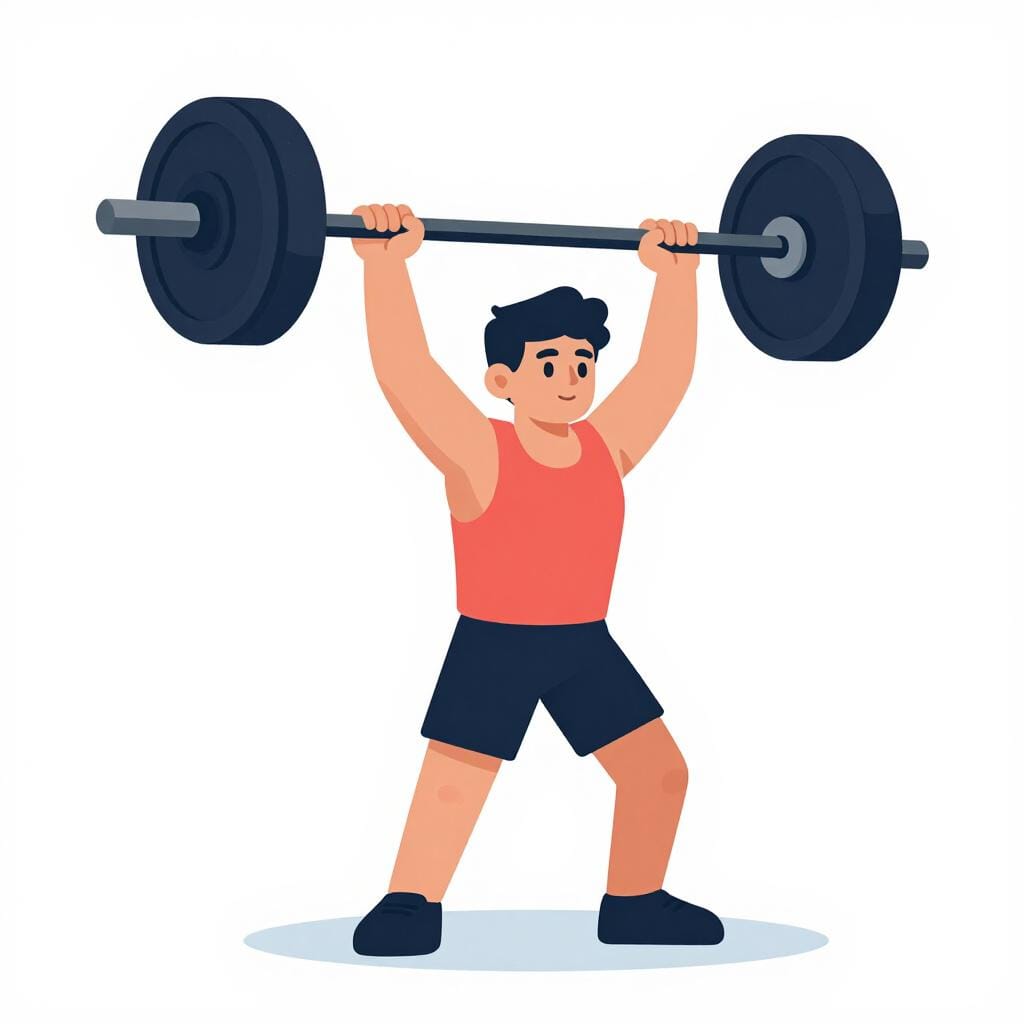
Es importante ejercitar el cuerpo regularmente.
It is important to exercise the body regularly.
Es importante ejercitar los músculos de la espalda.
It is important to exercise the back muscles.
Debes ejercitar la mente leyendo libros difíciles.
You should exercise your mind by reading difficult books.
El atleta ejercita su resistencia corriendo cada mañana.
The athlete trains his endurance by running every morning.
Using 'ejercitar' vs 'ejercitarse'
Use 'ejercitar' when you are working out a specific thing (like 'my legs'). Use 'ejercitarse' when you just want to say 'I am working out' in general.
Always Regular
This verb follows the standard pattern for verbs ending in -ar, so it is easy to conjugate if you know the basic rules!
Direct objects
Mistake: “Yo ejercito cada mañana.”
Correction: Yo me ejercito cada mañana (or) Yo hago ejercicio cada mañana. 'Ejercitar' usually needs to say *what* you are exercising.
educar
eh-doo-KAHReduˈkaɾ

Examples
Los padres educan a sus hijos en el respeto.
Parents educate their children in respect.
Es importante educar a los niños en ciencias.
It is important to educate children in science.
Ella quiere educar a sus estudiantes para ser críticos.
She wants to educate her students to be critical thinkers.
He tenido que educar mi oído para entender este acento.
I've had to train my ear to understand this accent.
Spelling Change Rule
The 'c' changes to 'qu' when followed by an 'e' to keep the hard 'K' sound. This happens in the 'Yo' form of the past (eduqué) and all 'special forms' used for wishes or commands (eduque).
The Personal 'A'
Since you are usually educating a person, you must use 'a' before the person you are educating: 'Educar a mi hijo'.
Wrong spelling in the past
Mistake: “Yo educé a mis hijos.”
Correction: Yo eduqué a mis hijos. (We use 'qu' to keep the sound correct).
General 'Train' vs. Specific Skill Training
Related Translations
Learn Spanish with Inklingo
Interactive stories, personalized learning, and more.