educar
“educar” means “to educate” in Spanish. It has 2 different meanings depending on context:
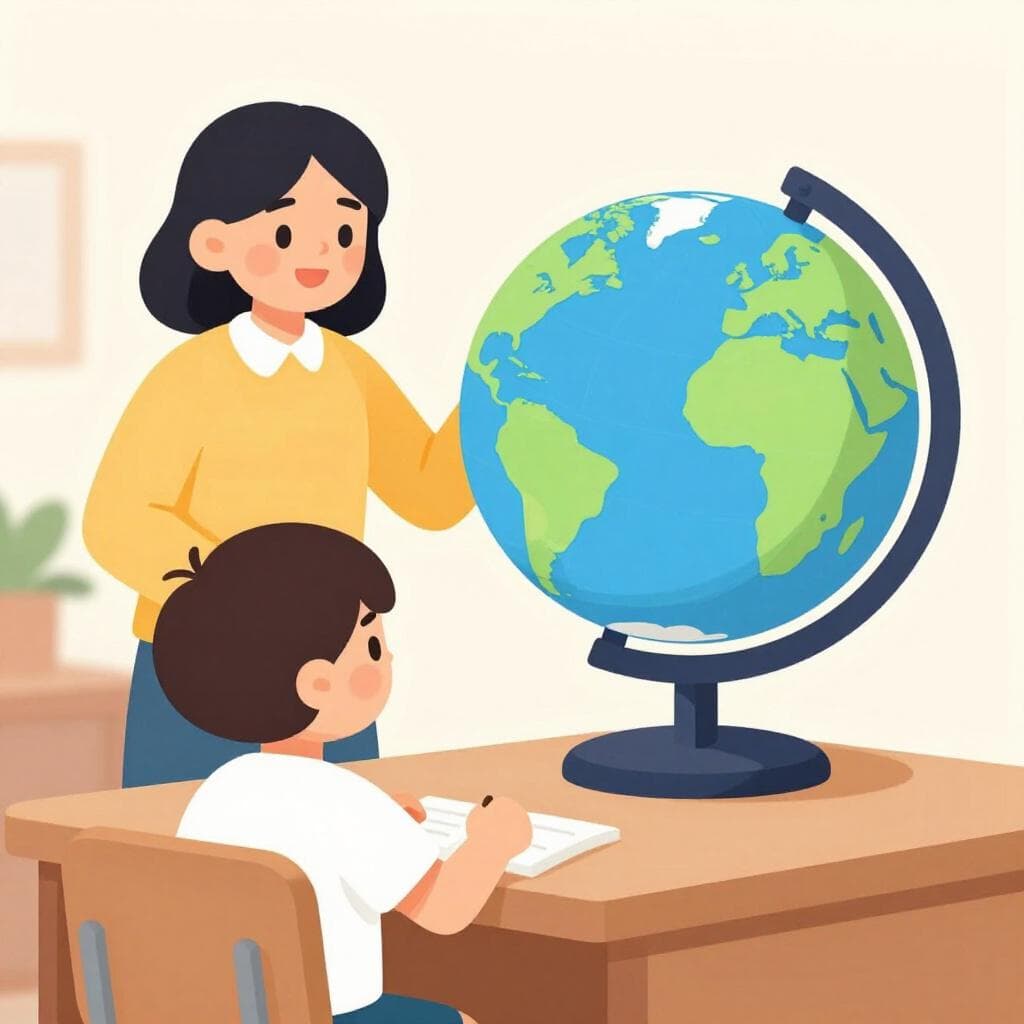

to educate
Also: to train
📝 In Action
Es importante educar a los niños en ciencias.
A2It is important to educate children in science.
Ella quiere educar a sus estudiantes para ser críticos.
B1She wants to educate her students to be critical thinkers.
He tenido que educar mi oído para entender este acento.
C1I've had to train my ear to understand this accent.
to raise
Also: to bring up
📝 In Action
Sus abuelos lo educaron.
B1His grandparents raised him.
Es difícil educar a un niño hoy en día.
B1It is difficult to raise a child nowadays.
Me educaron para ser siempre respetuoso.
B2I was brought up to always be respectful.
Subjunctive
Imperfect Subjunctive
Present Subjunctive
Indicative
Preterite
Imperfect
Present
Translate to Spanish
✏️ Quick Practice
Quick Quiz: educar
Question 1 of 3
Which form is correct for 'I educated' (past)?
📚 More Resources
👥 Word Family▼
📚 Etymology▼
From the Latin word 'educare', which means 'to lead out', 'to bring up', or 'to nourish'. It suggests leading a person out of ignorance into knowledge.
First recorded: 13th century
Cognates (Related words)
💡 Master Spanish
Take your Spanish to the next level. Read 200+ illustrated and narrated Spanish stories tailored to your level with the Inklingo app!
Frequently Asked Questions
Does 'educado' mean 'educated' or 'polite'?
Both! It depends on context, but it very often means 'polite'. To specify someone went to university, you might say 'tiene estudios'.
Is it a regular verb?
Almost. It is regular in its endings, but it has a spelling change from 'c' to 'qu' in some forms to keep the pronunciation consistent.
Can I use 'educar' for training animals?
Yes, it is often used for training pets in obedience and behavior.