Inklingo

criar

/kree-AR/

to raise

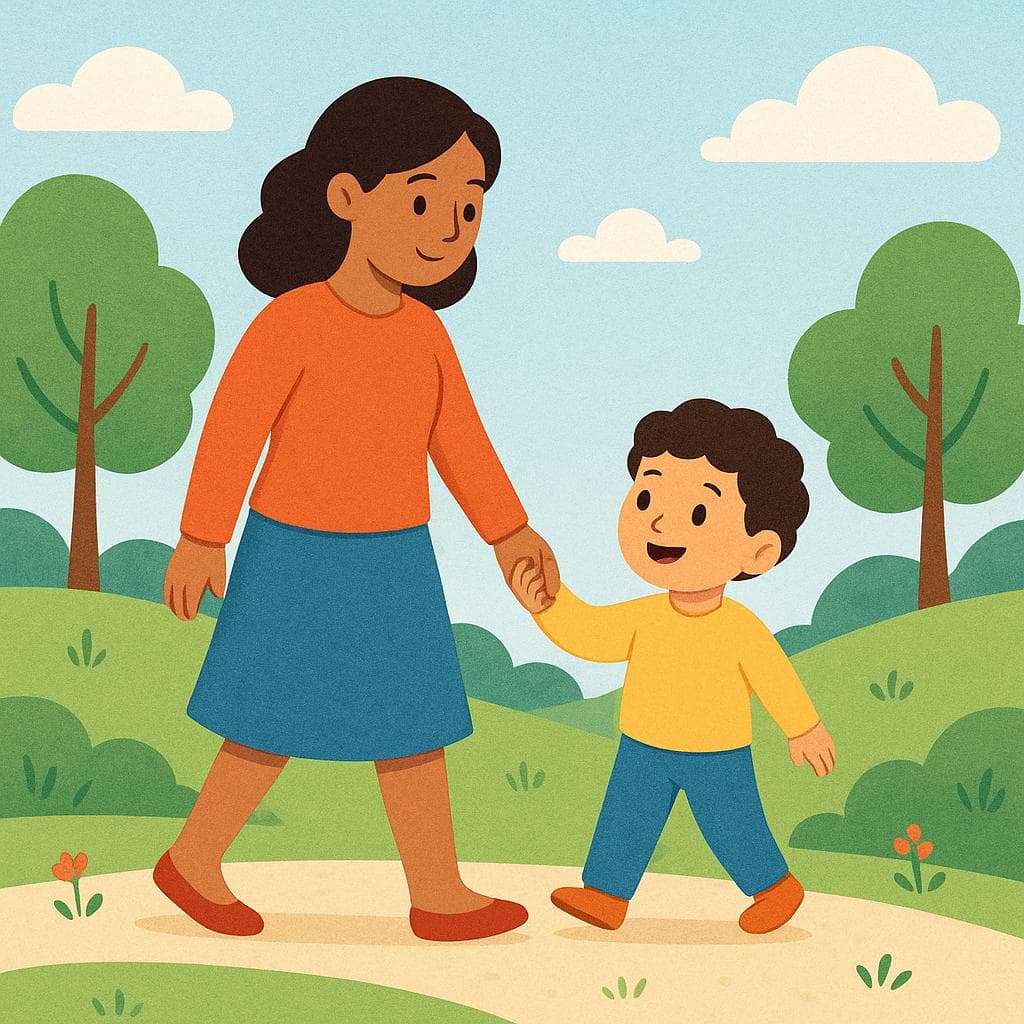
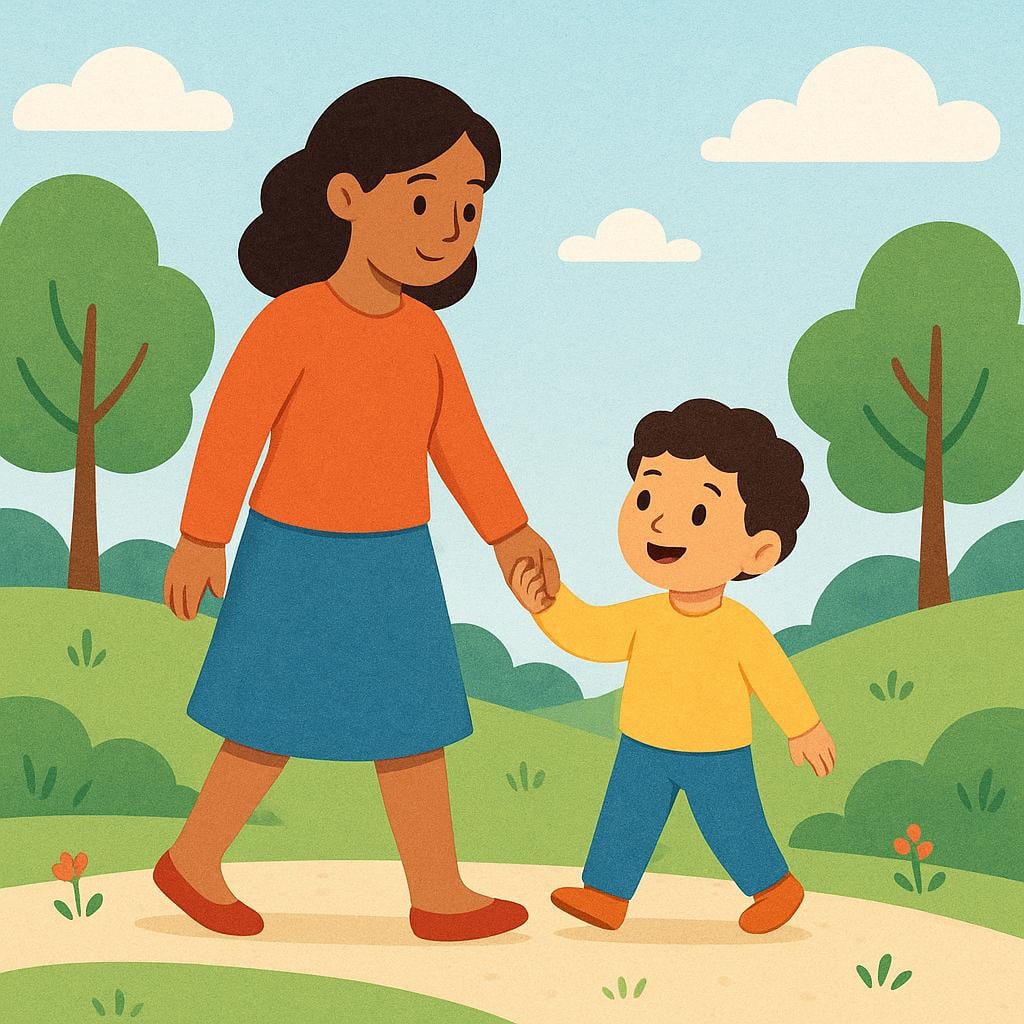
A mother holding the hand of a young child, walking together through a sunny field.

Criar means "to raise" (children or offspring).

criar(verb)

A1regular (with accent in present tense 'yo', 'él', etc., due to hiatus) ar

to raise

?

children, offspring

,

to bring up

?

education, nurturing

Also:

to nurse

?

infant care (less common than 'amamantar')

📝 In Action

Ellos criaron a tres hijos en el campo.

A1

They raised three children in the countryside.

¿Quién te crió? ¿Tu abuela?

A2

Who brought you up? Your grandmother?

Word Connections

Synonyms

  • educar (to educate)
  • mantener (to sustain)

Common Collocations

  • criar hijosto raise children
  • criar mascotasto raise pets

💡 Grammar Points

The Stress on the 'i'

Notice the accent mark over the 'i' in the present tense (crío, crías, cría, crían). This is because the stress falls on the 'i', separating it from the 'a'. This is why it acts like a regular verb but looks a little irregular!

❌ Common Pitfalls

Confusing 'Criar' and 'Crear'

Mistake: "Using 'crear' when you mean 'to raise' ('Yo creo mis hijos')."

Correction: Use 'criar' (Yo crío mis hijos). 'Crear' means 'to create' (like art or a new idea).

⭐ Usage Tips

Focus on Nurturing

Use 'criar' when the action involves feeding, caring for, and guiding someone or something through their early life.

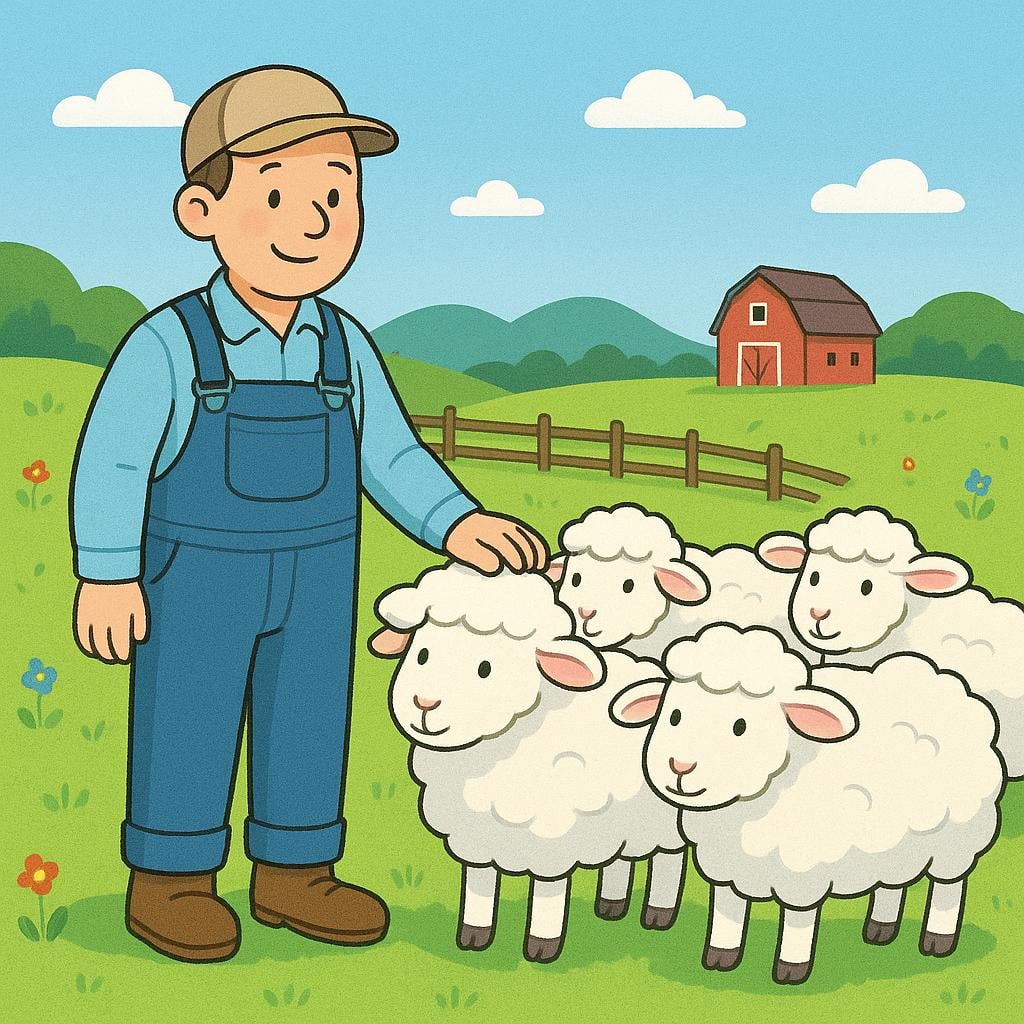
A farmer standing in a green pasture, tending to a small flock of sheep grazing nearby.

Criar means "to breed" (animals for profit).

criar(verb)

B1regular ar

to breed

?

animals for profit

,

to rear

?

livestock

Also:

to farm

?

in the sense of raising animals

📝 In Action

En esta región crían ganado para exportación.

B1

In this region, they breed cattle for export.

Mi tío cría gallinas y patos en su granja.

B1

My uncle rears chickens and ducks on his farm.

Word Connections

Synonyms

  • cultivar (to cultivate (plants))
  • reproducir (to reproduce)

⭐ Usage Tips

Context is Key

When used with animals, 'criar' usually implies commercial or large-scale raising, rather than just keeping a pet.

A small child happily swinging on a tire swing attached to a large tree branch.

Criar refers to the process of "to grow up" or mature during childhood.

criar(verb)

A2reflexive ar

to grow up

?

referring to one's childhood

,

to be raised

?

where development took place

Also:

to form

?

of habits or character (less common)

📝 In Action

Yo me crié en la costa, cerca del mar.

A2

I grew up on the coast, near the sea. (Literally: I raised myself/was raised on the coast.)

¿Dónde se criaron tus padres?

A2

Where did your parents grow up?

Se crían muy mal acostumbrados.

B2

They are being raised with very bad habits.

Word Connections

Synonyms

  • crecer (to grow)
  • desarrollarse (to develop)

Common Collocations

  • criarse en la calleto grow up on the streets

💡 Grammar Points

The Reflexive 'Se'

When you add 'se' (criarse), the focus shifts from who did the raising to where/how the subject developed. It’s like saying 'I was raised' without needing to name the person who did the raising.

⭐ Usage Tips

Talking About Childhood

Use 'me crié' (I grew up) instead of 'yo crecí' when you want to emphasize the place or environment of your upbringing, not just the physical act of getting taller.

A close-up view of an old, simple metal bucket heavily covered in orange rust spots.

Criar can mean "to produce" or "generate" (something undesirable, like rust or trouble).

criar(verb)

C1regular ar

to produce

?

generate something undesirable

,

to generate

?

e.g., mold, dust

Also:

to cause

?

e.g., trouble

📝 In Action

La falta de ventilación cría humedad y malos olores.

C1

Lack of ventilation produces humidity and bad smells.

Ese ambiente cría mucha envidia entre los compañeros.

C2

That environment generates a lot of envy among colleagues.

Word Connections

Synonyms

  • producir (to produce)
  • causar (to cause)

⭐ Usage Tips

Figurative Use

Think of this meaning as 'giving birth' to a situation or problem. It's often used when talking about conditions that naturally lead to an outcome (like mold or bad feelings).

🔄 Conjugations

indicative

present

él/ella/ustedcría
yocrío
crías
ellos/ellas/ustedescrían
nosotroscriamos
vosotroscriáis

imperfect

él/ella/ustedcriaba
yocriaba
criabas
ellos/ellas/ustedescriaban
nosotroscriábamos
vosotroscriabais

preterite

él/ella/ustedcrió
yocrié
criaste
ellos/ellas/ustedescriaron
nosotroscriamos
vosotroscriasteis

subjunctive

present

él/ella/ustedcríe
yocríe
críes
ellos/ellas/ustedescríen
nosotroscriemos
vosotroscriéis

imperfect

él/ella/ustedcriara/criase
yocriara/criase
criaras/criases
ellos/ellas/ustedescriaran/criasen
nosotroscriáramos/criásemos
vosotroscriarais/criaseis

✏️ Quick Practice

💡 Quick Quiz: criar

Question 1 of 2

Which sentence correctly uses the reflexive form of 'criar'?

📚 More Resources

Word Family

Frequently Asked Questions

Is 'criar' an irregular verb?

No, 'criar' is mostly regular. It follows the standard '-ar' verb pattern. However, it requires an accent mark on the 'i' in the singular present tense (crío, cría) and the present subjunctive (críe) to show that the stress falls there, which can make it look a little different than simple regular verbs.

How do I say 'to create' in Spanish if 'criar' means 'to raise'?

If you mean 'to create' something new, like art, a document, or a theory, the correct verb is 'crear' (e.g., Yo creé este dibujo - I created this drawing). 'Criar' is almost always about nurturing life.