How to Say "to relocate" in Spanish
The most common Spanish word for “to relocate” is “mudarse” — use 'mudarse' when referring to the act of moving oneself or one's household to a new residence, often within the same city or to a different one.

Use 'mudarse' when referring to the act of moving oneself or one's household to a new residence, often within the same city or to a different one.
Learn more →
Use 'mudar' when the focus is on the action of moving a house or a business, often implying a more formal or planned event.
Learn more →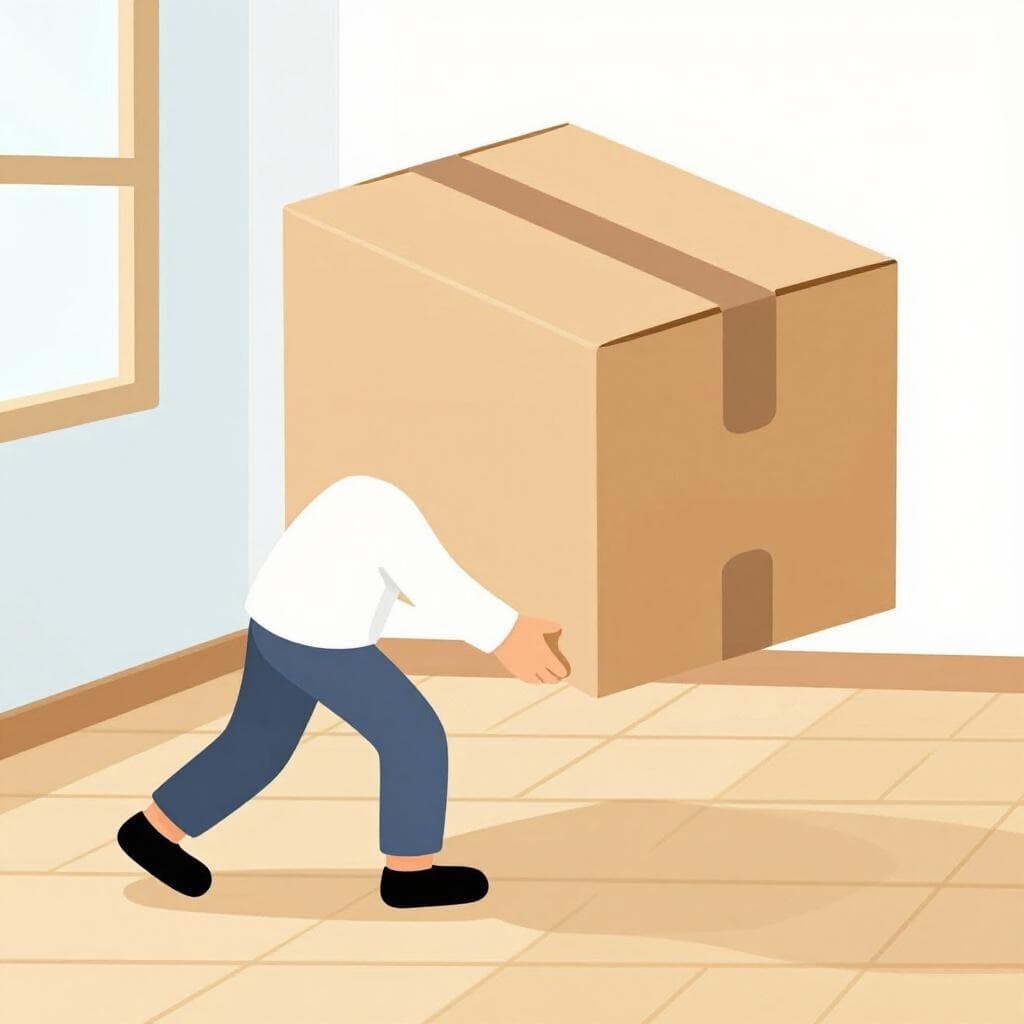
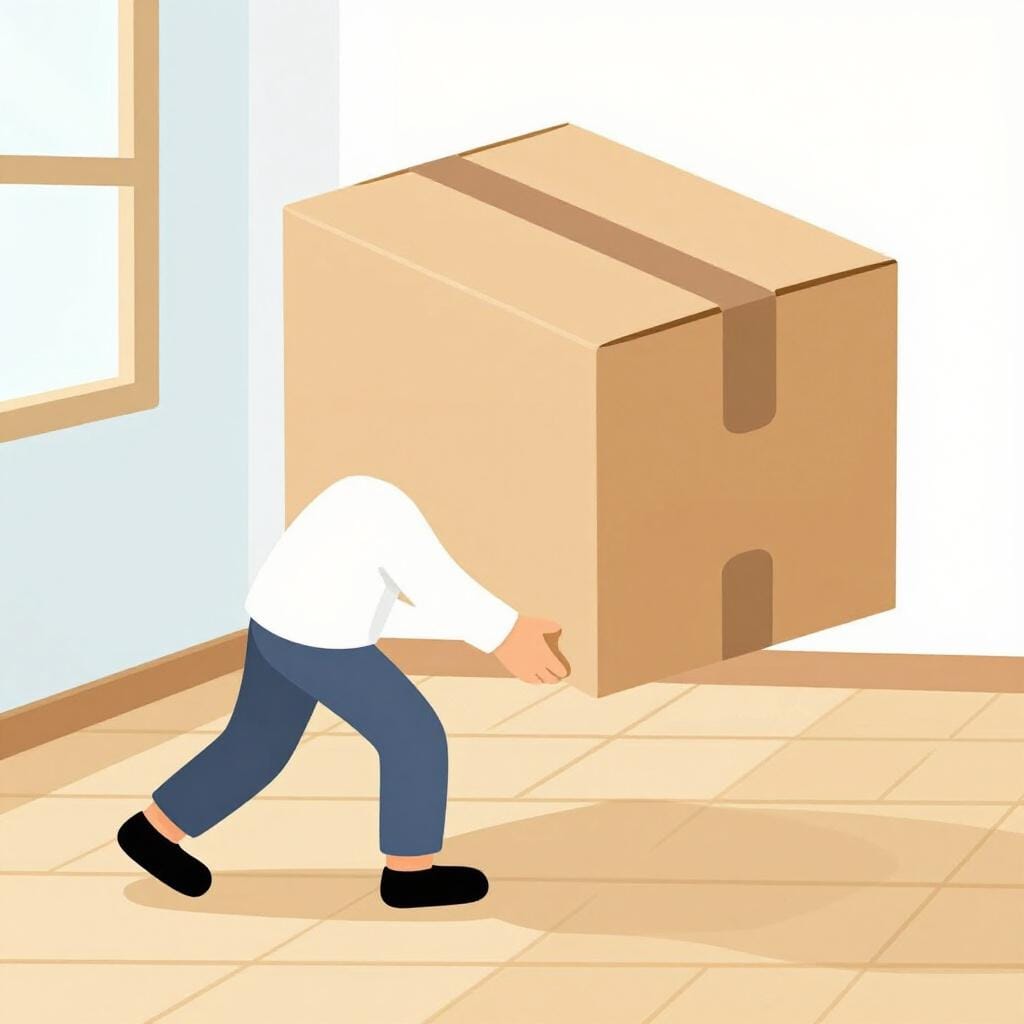
Employ 'trasladar' when discussing the relocation of a business, office, or sometimes a residence, emphasizing the transfer of operations or belongings.
Learn more →moo-DAHR-sehmuˈðarse

Examples
Me voy a mudar a un apartamento nuevo mañana.
I am moving to a new apartment tomorrow.
Me mudo a un apartamento nuevo mañana.
I am moving to a new apartment tomorrow.
¿Por qué decidieron mudarse a España?
Why did they decide to move to Spain?
Using the 'se' part
The 'se' at the end means this verb is reflexive. It shows that you are moving yourself to a new location. You must change the 'me, te, se' part to match the person doing the action.
Mover vs. Mudarse
Mistake: “Using 'mover' to say you are moving to a new house.”
Correction: Use 'mudarse' for changing homes. 'Mover' is for moving a physical object or a part of your body (like your arm).
moo-DAHRmuˈðar

Examples
Me voy a mudar a un apartamento nuevo el próximo mes.
I am going to move to a new apartment next month.
Ellos se mudaron a España para aprender el idioma.
They moved to Spain to learn the language.
Using 'se' for Moving
When talking about moving house, we almost always add 'se' to the end (mudarse). This shows the action is happening to the person who is moving.
Mover vs. Mudar
Mistake: “Using 'mover' to say 'I am moving to a new house'.”
Correction: Use 'mudarse'. 'Mover' is for shifting objects (like a chair), but 'mudar' is for changing your home.
trah-slah-DARtɾaslaˈðar
Examples
La empresa va a trasladar su oficina al centro.
The company is going to move its office downtown.
Trasladaron al paciente a un hospital más grande.
They transferred the patient to a larger hospital.
Es difícil trasladar todos estos muebles en un solo coche.
It is difficult to move all this furniture in just one car.
When to use 'a' with trasladar
When you are moving a person, you must put the word 'a' before them: 'Trasladaron a María' (They moved Maria).
Trasladar vs. Mover
Use 'trasladar' for significant moves, like changing cities, jobs, or official locations. Use 'mover' for small physical actions, like moving your arm or a chair.
Moving house
Mistake: “Yo traslado a una casa nueva.”
Correction: Me traslado a una casa nueva.
Choosing Between 'Mudar' and 'Mudarse'
The most common confusion is between 'mudar' and 'mudarse'. Remember that 'mudarse' is reflexive and focuses on the person moving house, while 'mudar' can focus more on the house itself being moved, or is used in more formal contexts for moving a business.
Related Translations
Learn Spanish with Inklingo
Interactive stories, personalized learning, and more.