convertir
“convertir” means “to convert” in Spanish. It has 2 different meanings depending on context:
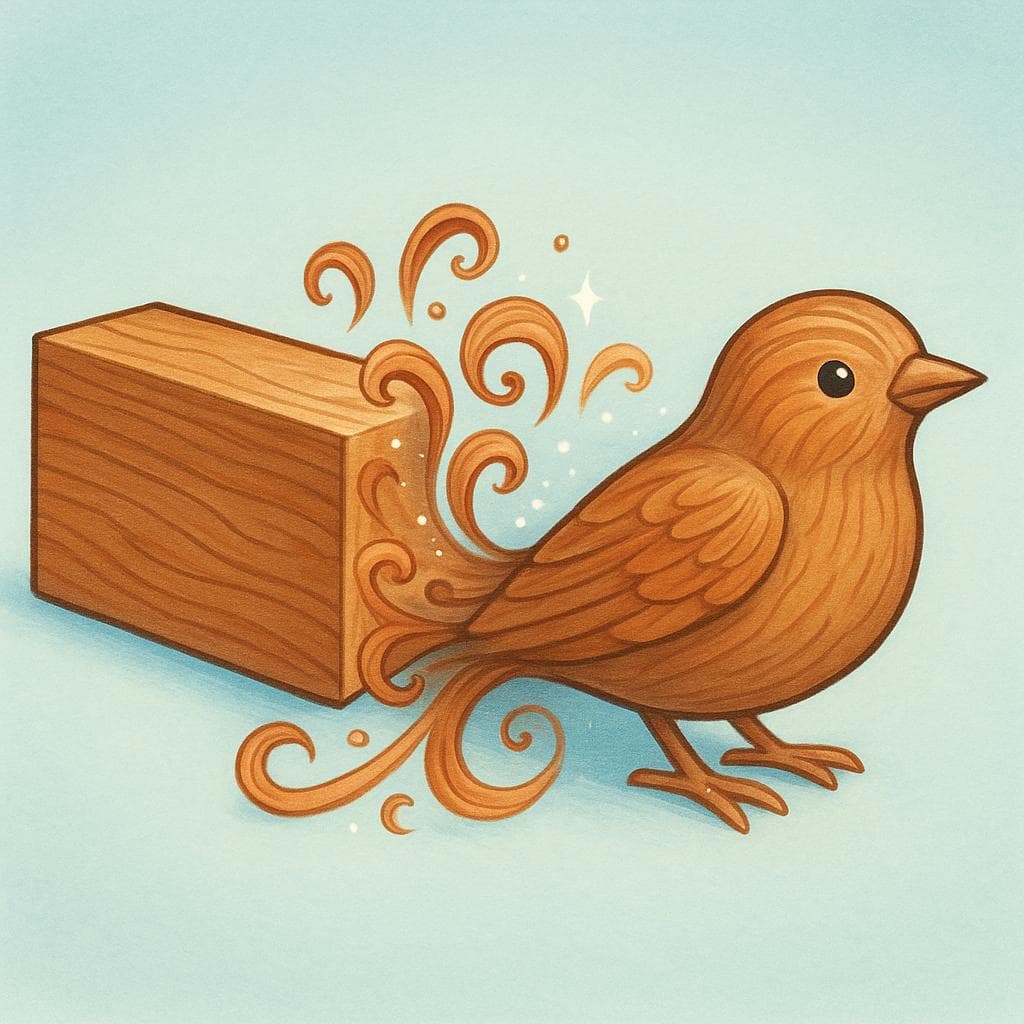

to convert, to changeAlso: to transform
📝 In Action
Necesitas **convertir** los euros a dólares antes del viaje.
A2You need to **convert** the euros to dollars before the trip.
El mago prometió **convertir** el agua en vino.
B1The magician promised to **convert** the water into wine.
Vamos a **convertir** esta habitación vieja en una oficina.
B1We are going to **convert** this old room into an office.
Word Connections
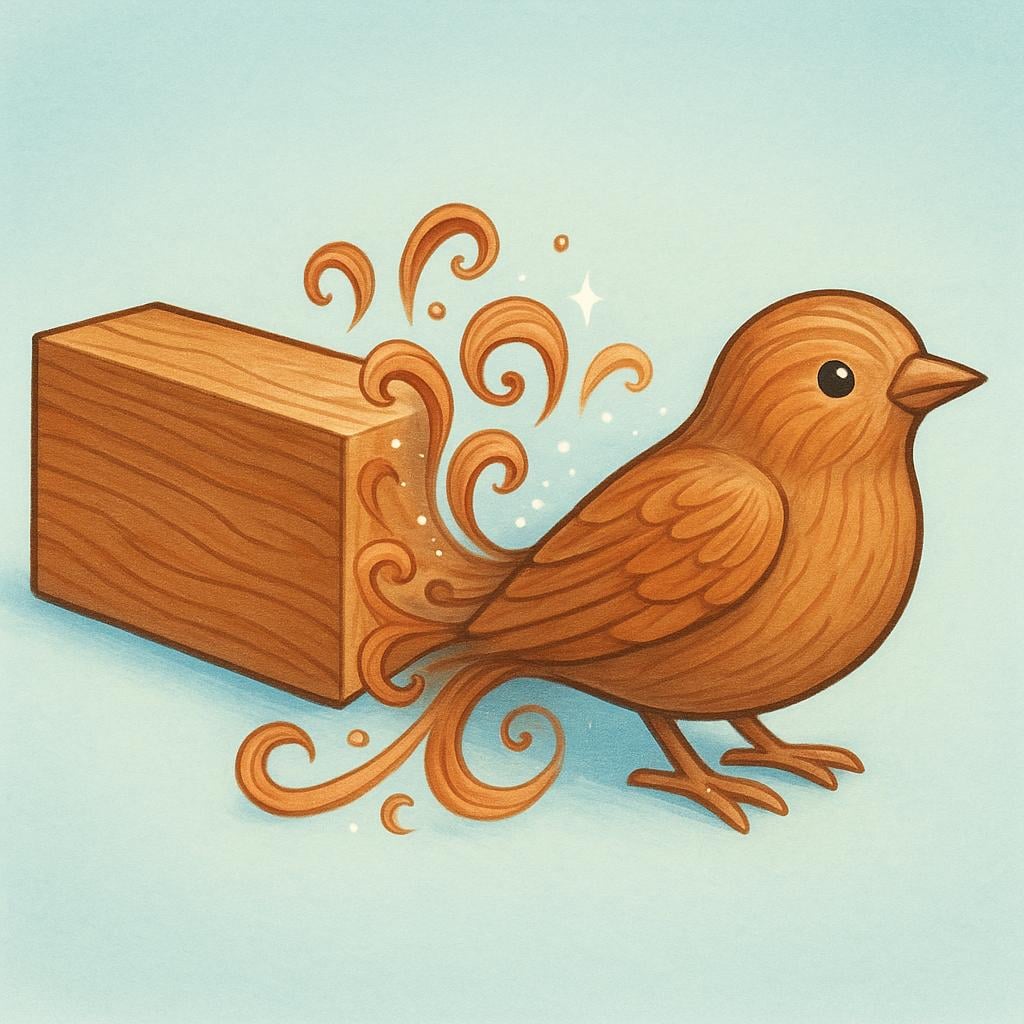
to turn into, to becomeAlso: to be converted

📝 In Action
El pequeño arroyo **se convirtió** en un río caudaloso.
B1The small stream **turned into** a mighty river.
Después de la universidad, **se convirtió** en una escritora famosa.
B2After university, she **became** a famous writer.
Ella **se convirtió** al budismo hace muchos años.
B2She **converted** to Buddhism many years ago.
Word Connections
Indicative
Present
Imperfect
Preterite
Subjunctive
Present Subjunctive
Imperfect Subjunctive
🔀 Commonly Confused With
Translate to Spanish
Words that translate to "convertir" in Spanish:
✏️ Quick Practice
Quick Quiz: convertir
Question 1 of 1
Which sentence correctly uses the active form of 'convertir'?
📚 More Resources
👥 Word Family
📚 Etymology
Comes from the Latin verb *convertere*, meaning 'to turn around' or 'to turn completely'. It combines the prefix *con-* (meaning 'together' or 'completely') and *vertere* (meaning 'to turn').
First recorded: 13th century
Cognates (Related words)
💡 Master Spanish
Take your Spanish to the next level. Read 200+ illustrated and narrated Spanish stories tailored to your level with the Inklingo app!
Frequently Asked Questions
What is the most important rule for conjugating convertir?
The most important rule is the stem change. The 'e' in the middle of the verb changes to 'ie' in the present tense (convierto), and it changes to a simple 'i' in the third-person preterite (convirtió) and throughout the subjunctive forms (convirtamos).
When should I use 'convertir' versus 'hacerse' or 'llegar a ser' to mean 'to become'?
'Convertirse en' often implies a sudden, complete, or dramatic transformation (e.g., turning into a monster or changing religions). 'Hacerse' implies a change achieved through effort or time (e.g., becoming a doctor), and 'llegar a ser' emphasizes the process of achieving a goal (e.g., finally becoming the CEO).