How to Say "hardship" in Spanish
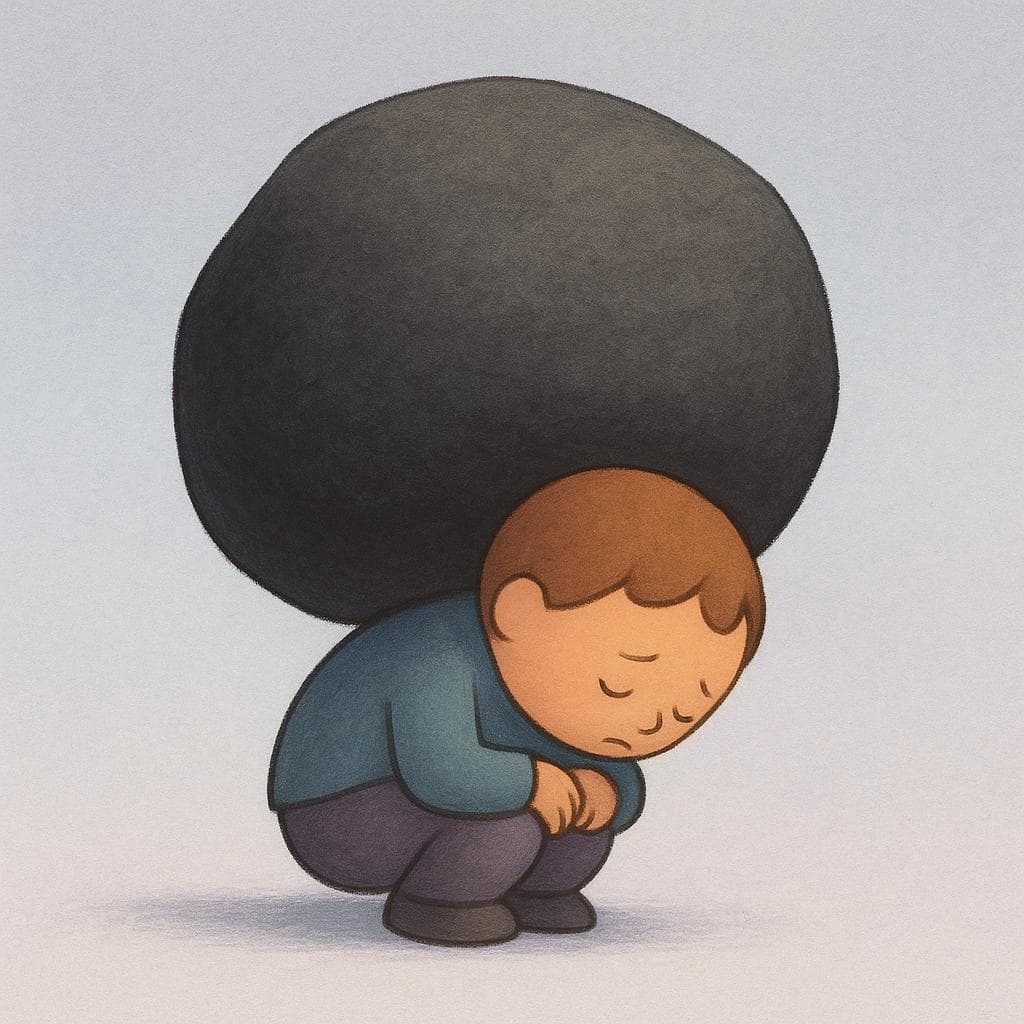
The most common Spanish word for “hardship” is “dureza” — use 'dureza' when referring to the harshness or severity of a situation, an experience, or even words, implying a lack of gentleness or comfort.

dureza
doo-REH-sahduˈɾesa

Examples
Me sorprendió la dureza de sus palabras.
I was surprised by the harshness of her words.
Los soldados soportaron la dureza del invierno.
The soldiers endured the severity of the winter.
La dureza de la vida en la montaña es increíble.
The hardship of mountain life is incredible.
Abstract Meanings
Just like in English, physical words are often used to describe feelings. 'Dureza' works exactly like 'toughness' or 'hardness' in a figurative way.
Avoid 'Severidad' for everything
Mistake: “La severidad del clima.”
Correction: While correct, 'la dureza del clima' sounds more natural when emphasizing how hard it is to survive it.
sufrimiento
soo-free-mee-EN-tohsu.fɾiˈmjen.to
Examples
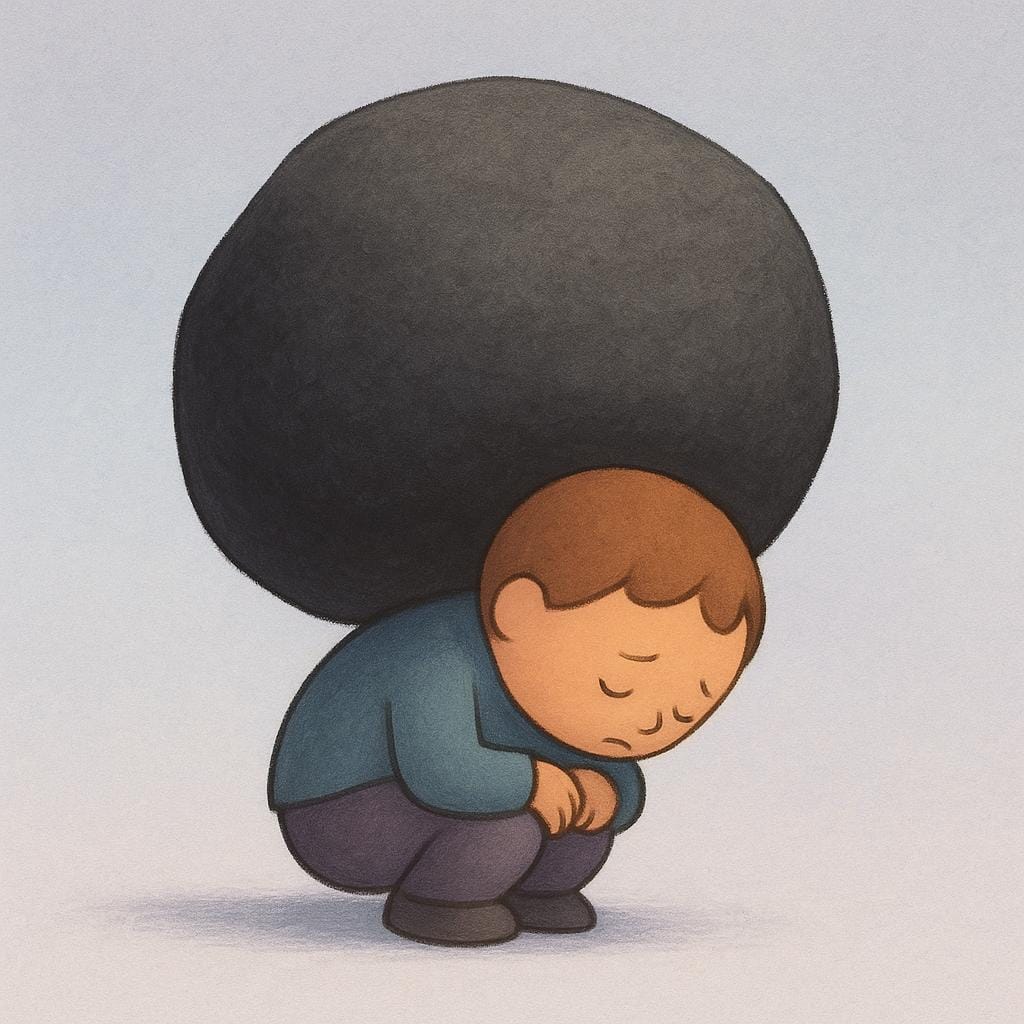
El sufrimiento por la pérdida de su mascota fue inmenso.
The suffering over the loss of his pet was immense.
Dicen que el sufrimiento nos hace más fuertes.
They say that hardship makes us stronger.
Hay que evitar el sufrimiento innecesario en la vida.
One must avoid unnecessary suffering in life.
Always Masculine
Even though it ends in '-o', which is common for masculine nouns, remember to always use the masculine articles and adjectives: el sufrimiento, mucho sufrimiento.
Sufrimiento vs. Dolor
Mistake: “Using *sufrimiento* when referring strictly to a specific physical ache (e.g., 'Tengo sufrimiento en la rodilla').”
Correction: Use *dolor* for specific physical aches ('Tengo dolor en la rodilla'). *Sufrimiento* suggests a deeper, often prolonged emotional or existential distress, though it can include physical pain.
opresión
Examples
Muchos ciudadanos lucharon valientemente contra la opresión.
Many citizens fought bravely against oppression.
Dureza vs. Sufrimiento
Related Translations
Learn Spanish with Inklingo
Interactive stories, personalized learning, and more.