How to Say "firmness" in Spanish
The most common Spanish word for “firmness” is “firmeza” — use this word when referring to physical stability, like the firmness of a mattress or a surface, or a strong, unwavering character.

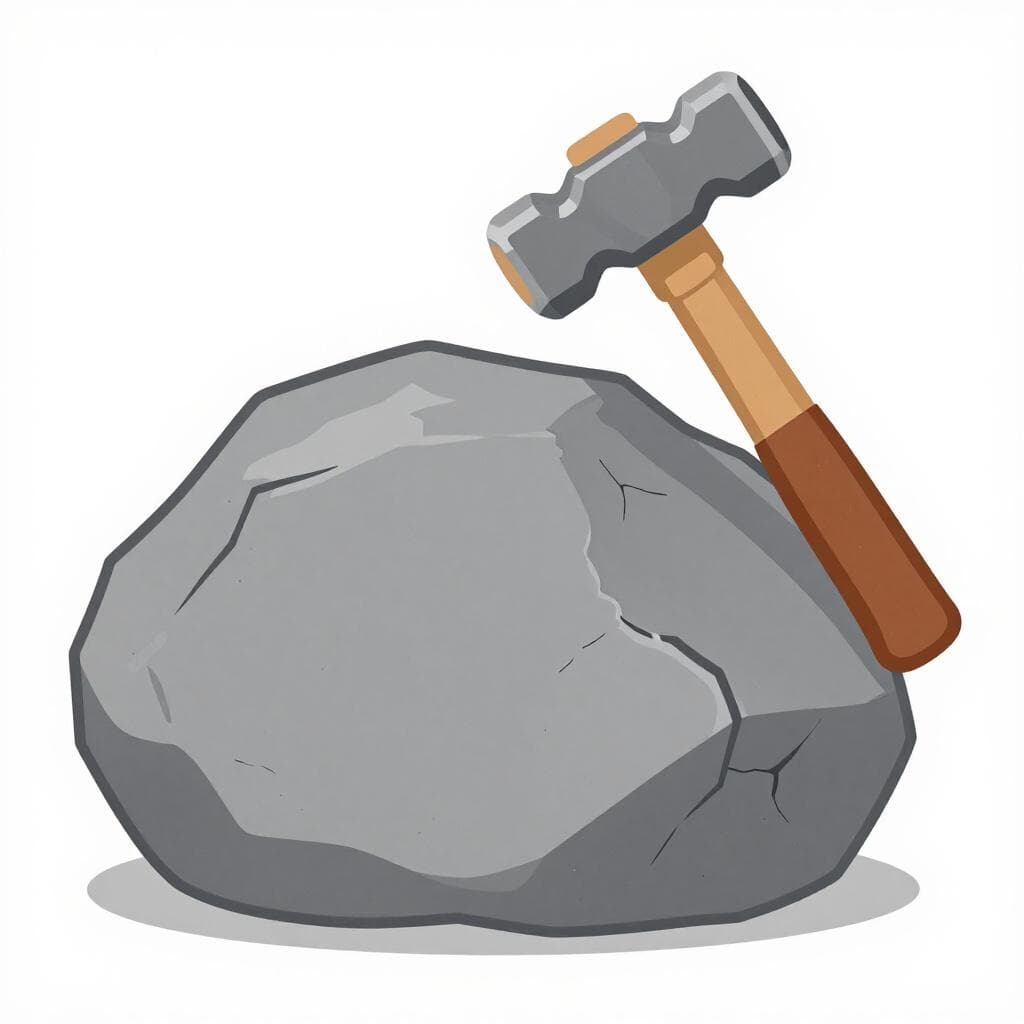

firmeza
feer-MEH-sahfiɾˈmeθa

Examples
Este colchón tiene la firmeza perfecta para mi espalda.
This mattress has the perfect firmness for my back.
Ella respondió con firmeza cuando le preguntaron su opinión.
She answered with firmness when they asked her opinion.
El líder mostró gran firmeza durante la crisis.
The leader showed great determination during the crisis.
The '-eza' Ending
In Spanish, adding '-eza' to an adjective (like 'firme') turns it into a noun that describes that quality. It's similar to adding '-ness' in English.
Always Feminine
Nouns ending in '-eza' are always feminine, so you should always use 'la' or 'una' with them.
Firmeza vs. Firma
Mistake: “Using 'firmeza' when you mean a signature.”
Correction: Use 'firma' for a signature on a document and 'firmeza' for the quality of being firm.
decisión
Examples
Admiro su decisión para superar los obstáculos.
I admire her determination to overcome obstacles.
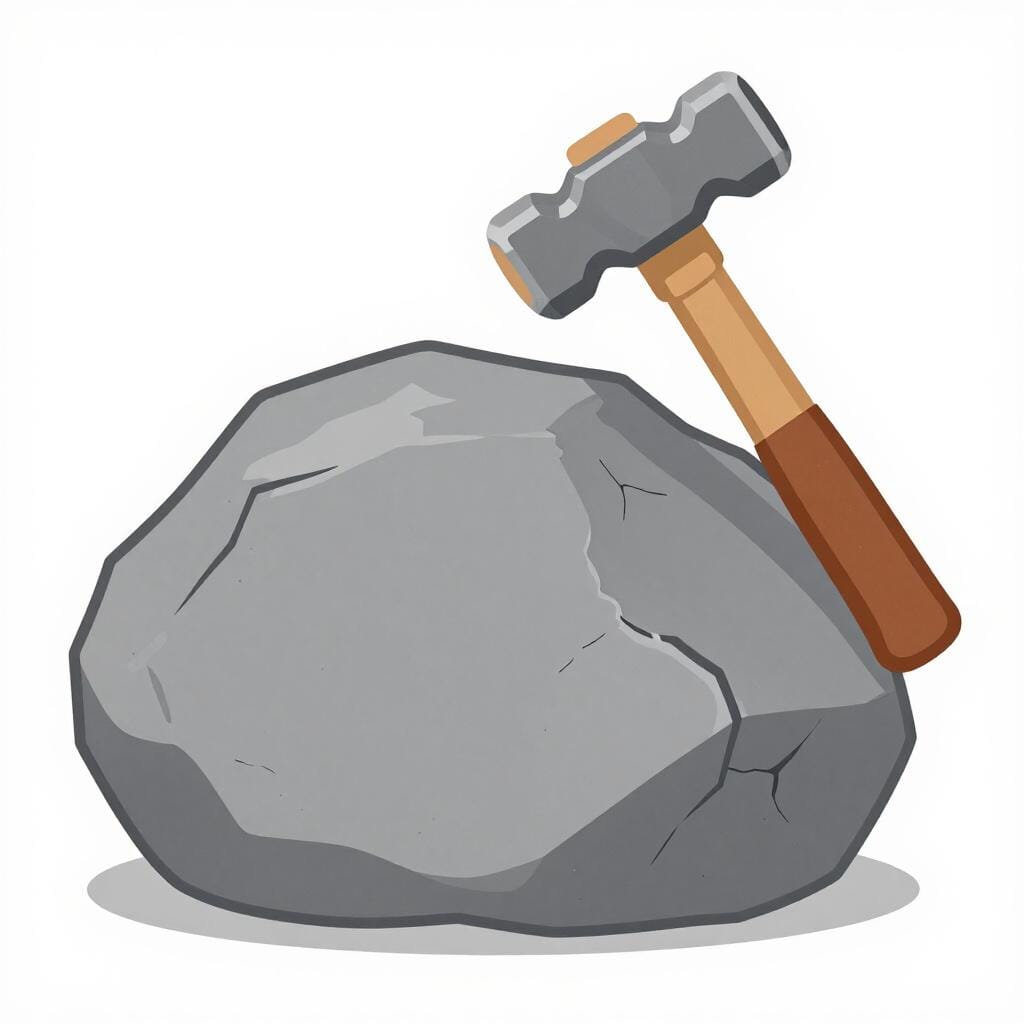
dureza
doo-REH-sahduˈɾesa
Examples
La dureza del diamante lo hace muy valioso.
The hardness of the diamond makes it very valuable.
Comprobó la dureza del colchón antes de comprarlo.
He checked the firmness of the mattress before buying it.
La dureza del agua depende de los minerales que tiene.
Water hardness depends on the minerals it contains.
Nouns ending in -eza
Words that end in '-eza' are almost always feminine (la dureza) and usually describe a quality based on an adjective (duro → dureza).
Noun vs Adjective
Mistake: “La piedra es dureza.”
Correction: La piedra es dura OR La piedra tiene mucha dureza. Use 'duro' to describe the object and 'dureza' to name the quality itself.
pulso
POOL-sohˈpulso

Examples
El gobierno necesita demostrar pulso firme ante la crisis económica.
The government needs to demonstrate firm control in the face of the economic crisis.
El director perdió el pulso de la reunión y todo se desordenó.
The director lost control (the grip) of the meeting and everything became disorganized.
Figurative vs. Literal
Mistake: “Using 'pulso' figuratively when you mean 'muñeca' (wrist), which is the literal body part.”
Correction: When referring to the wrist itself (where you wear a watch), use 'muñeca'. 'Pulso' refers to the steadiness or the beat, not the bone structure.
Firmeza vs. Dureza
Related Translations
Learn Spanish with Inklingo
Interactive stories, personalized learning, and more.