How to Say "inconvenience" in Spanish
The most common Spanish word for “inconvenience” is “molestia” — use 'molestia' when referring to a minor trouble or bother, often something that causes slight discomfort or a small disruption, especially when apologizing for it.

molestia
moh-LEHS-tee-ahmoˈlestja
Examples
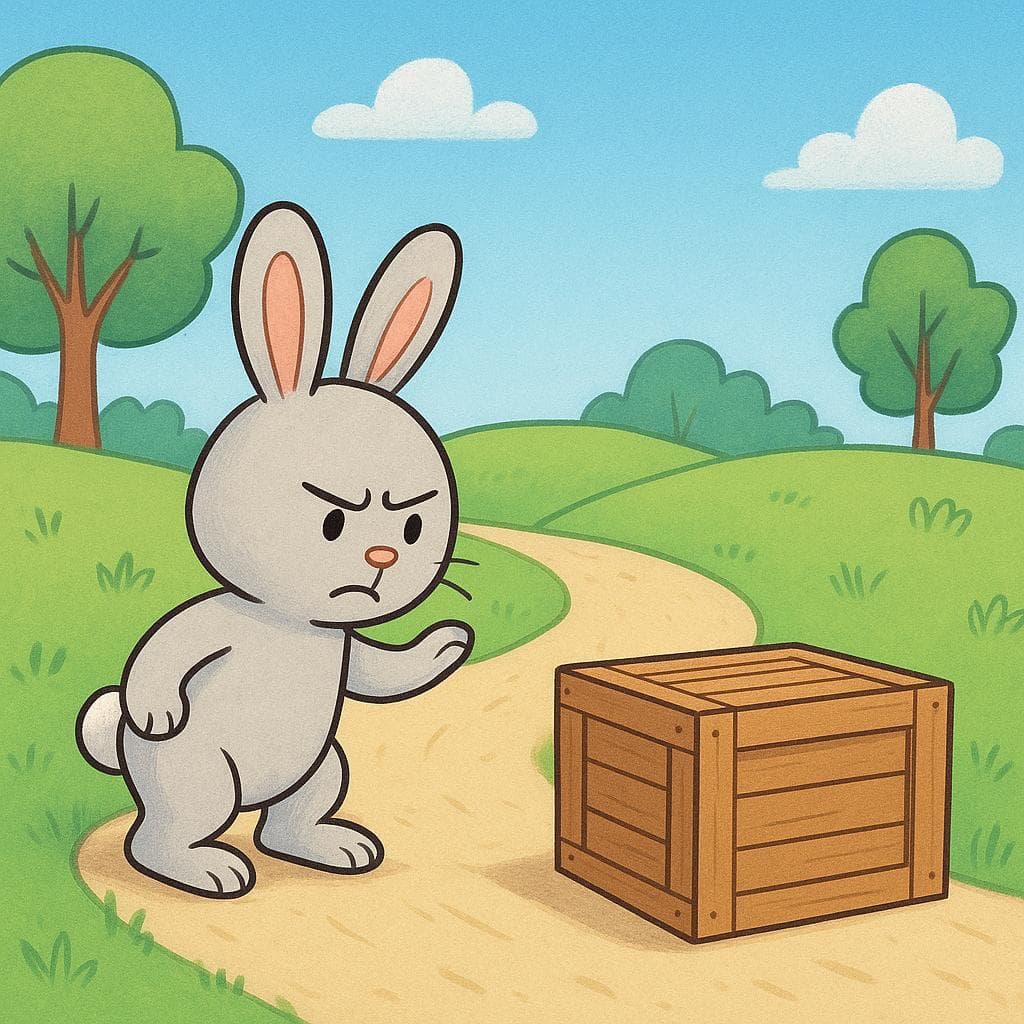
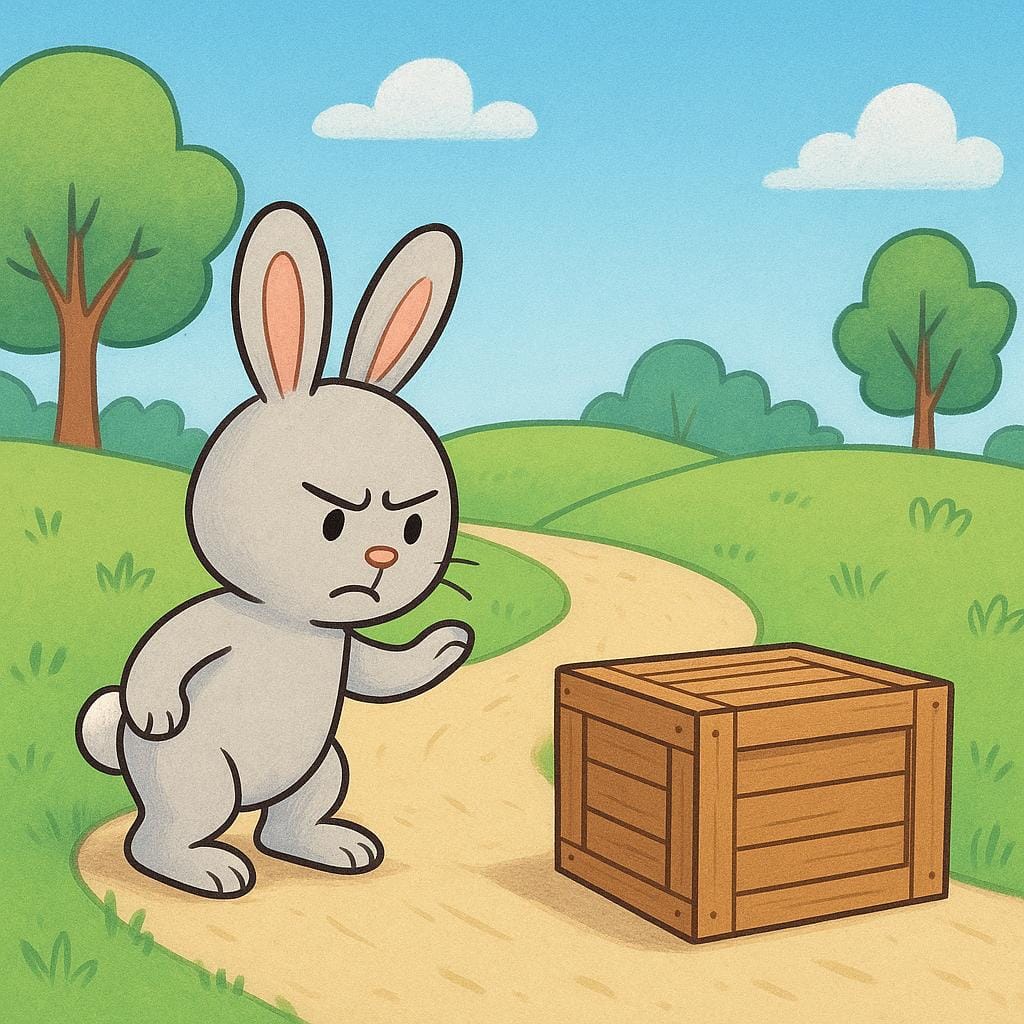
Disculpe la molestia, pero ¿me podría ayudar con esta caja?
Excuse the inconvenience, but could you help me with this box?
La constante música alta de los vecinos es una gran molestia.
The constant loud music from the neighbors is a great annoyance.
Tomarse la molestia de llamarme fue muy amable de tu parte.
Taking the trouble (or bother) to call me was very kind of you.
Using 'Molestia' in Apologies
When apologizing for something you did that caused trouble, use the plural form: 'Siento mucho las molestias' (I am very sorry for the inconveniences/trouble).
Confusing 'Molestia' and 'Molestación'
Mistake: “Using 'molestación' when you mean 'inconvenience'.”
Correction: While 'molestación' exists, it usually refers to sexual harassment or serious badgering. For general trouble or annoyance, always use 'molestia'.
trastorno
tras-TOR-notɾasˈtoɾno

Examples
El retraso del tren causó un gran trastorno en nuestros planes de viaje.
The train delay caused a great inconvenience/disruption to our travel plans.
El psicólogo diagnosticó un trastorno de ansiedad.
The psychologist diagnosed an anxiety disorder.
Perder el tren fue un gran trastorno para nuestro viaje.
Missing the train was a big inconvenience for our trip.
La nueva ley provocó un trastorno en el mercado inmobiliario.
The new law caused an upheaval in the real estate market.
Always Masculine
Even if the person suffering from the disorder is female, the word 'trastorno' always stays masculine: 'Ella tiene un trastorno'.
Verbs to use with it
When talking about life problems, use 'causar' (to cause) or 'suponer' (to involve/mean). Example: 'Esto supone un trastorno' (This is an inconvenience).
Confusing the noun and adjective
Mistake: “Estoy muy trastorno.”
Correction: Estoy muy trastornado (I am very upset/disturbed). Use 'trastorno' for the 'thing' and 'trastornado' for the 'person'.
Molestia vs. Trastorno
Related Translations
Learn Spanish with Inklingo
Interactive stories, personalized learning, and more.