How to Say "cause discomfort" in Spanish
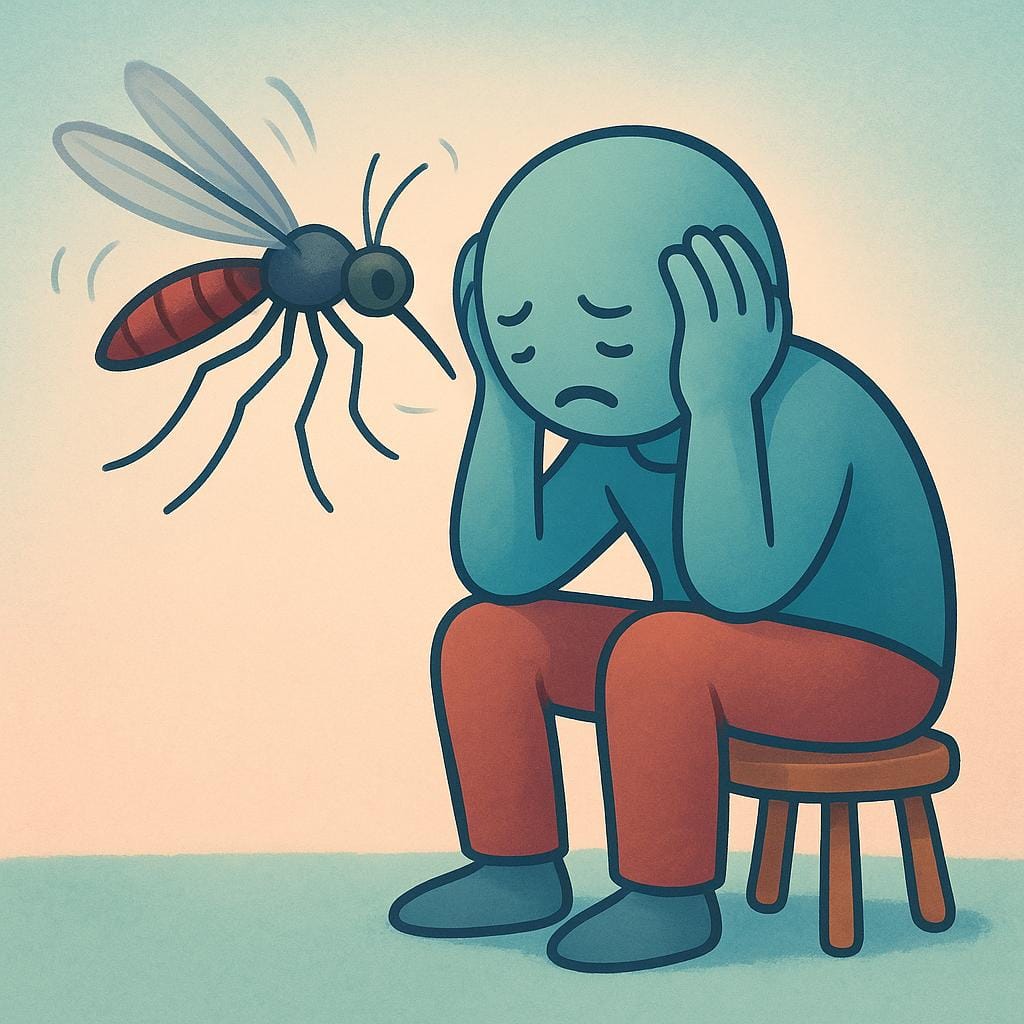
The Spanish word for “cause discomfort” is “moleste” — B1 level. This is a very common word in everyday Spanish.
Examples
No quiero que el ruido te moleste.
I don't want the noise to bother you.
Espero que mi presencia no moleste a nadie.
I hope my presence doesn't annoy anyone. (Yo form of subjunctive)
Dígale que no moleste a los vecinos con esa música.
Tell him not to bother the neighbors with that music. (Él/Ella/Usted form of subjunctive)
The Special Verb Form (Subjunctive)
This form ('moleste') is used when the verb 'molestar' follows expressions of doubt, desire, emotion, or necessity, showing that the action is uncertain or desired, not a simple fact.
Formal Commands
When giving a formal command to 'Usted' (you formal), you use this exact form, especially in the negative: 'No moleste' (Don't bother!).
Mixing Moods
Mistake: “No quiero que me molesta.”
Correction: No quiero que me moleste. (Explanation: After verbs like 'querer' (to want) that express desire, the verb in the second part of the sentence must change to the special form 'moleste'.)
Related Translations
Learn Spanish with Inklingo
Interactive stories, personalized learning, and more.