tire
“tire” means “throw” in Spanish. It has 3 different meanings depending on context:

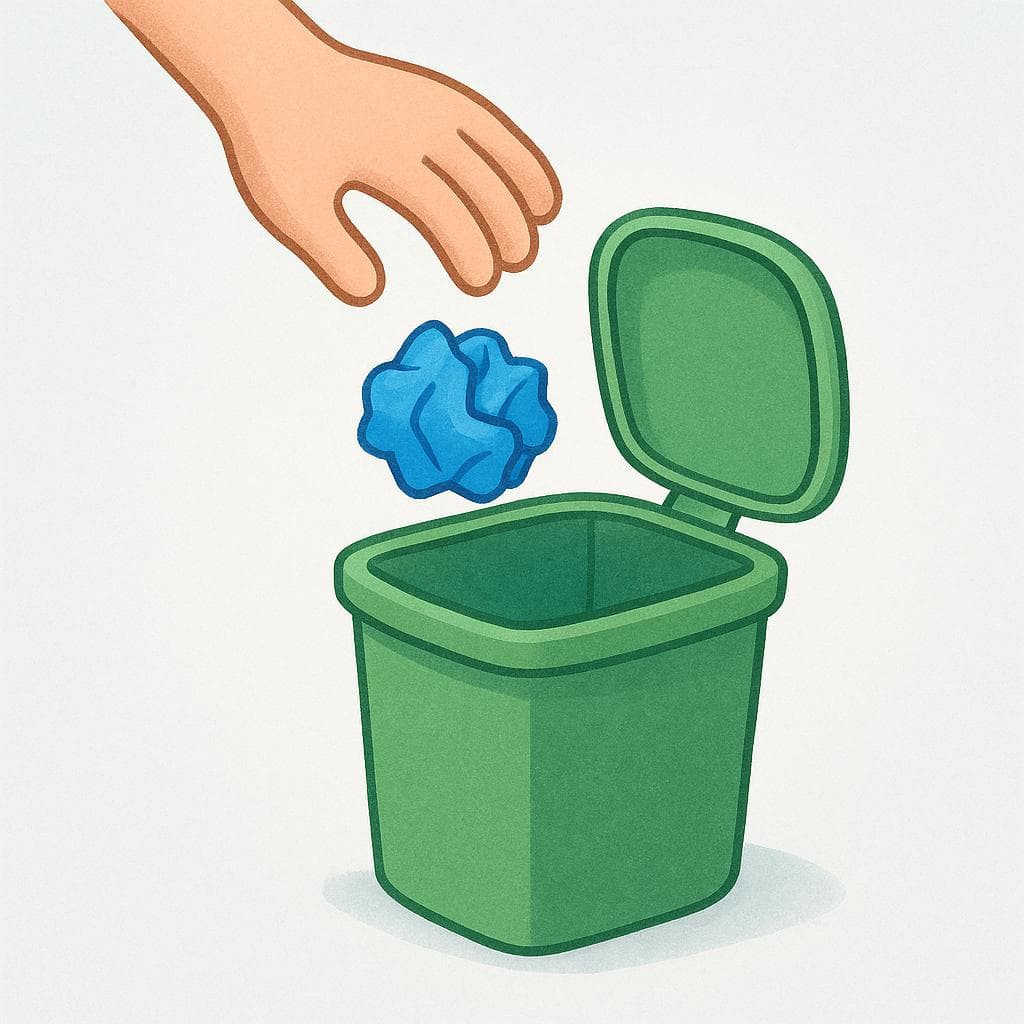
throw, toss
Also: drop, hurl
📝 In Action
Quiero que usted tire la pelota lejos.
A2I want you (formal) to throw the ball far away.
¡Tire la llave aquí, por favor!
A1Throw the key here, please!
Espero que no tire el vaso.
B1I hope I don't drop the glass.
throw away, waste
Also: squander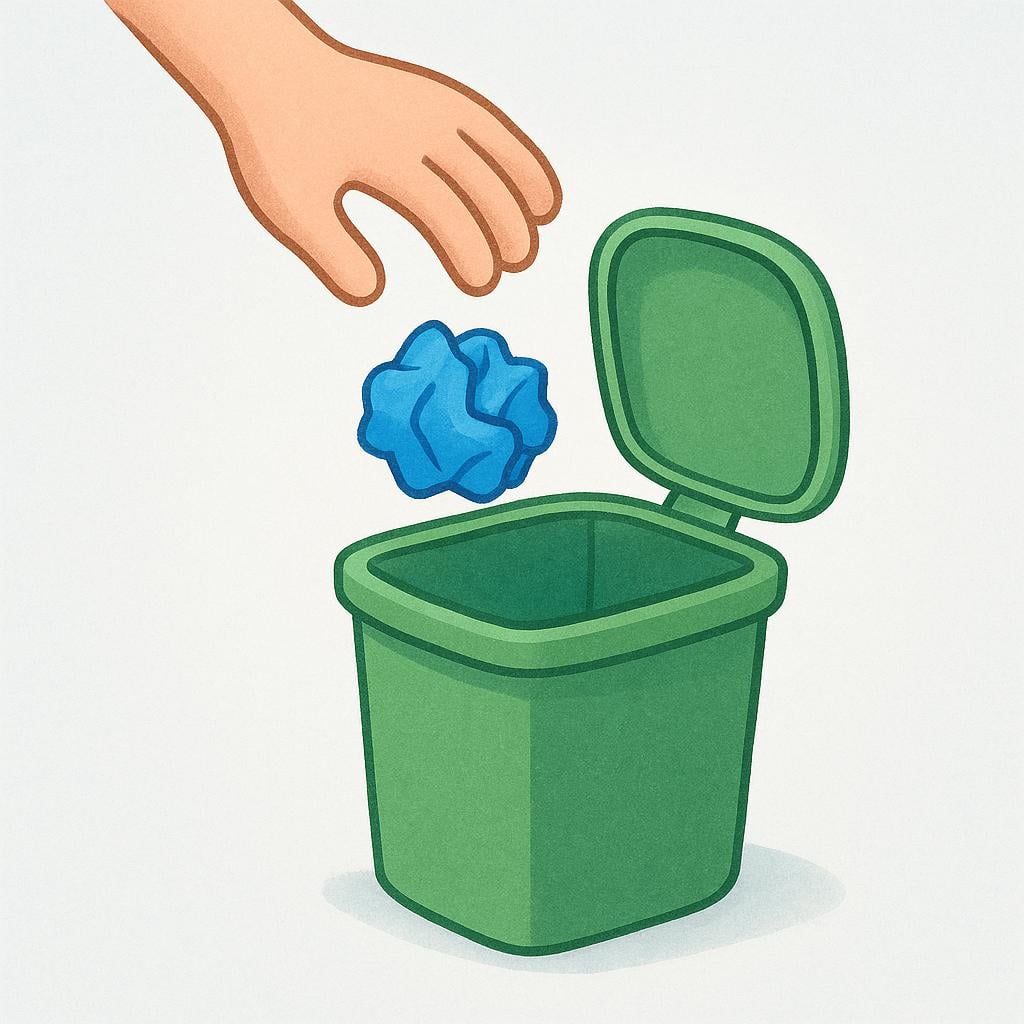
📝 In Action
No quiero que él tire el resto de la comida.
A2I don't want him to throw away the rest of the food.
Espero que no tire dinero en ese coche viejo.
B1I hope he doesn't waste money on that old car.
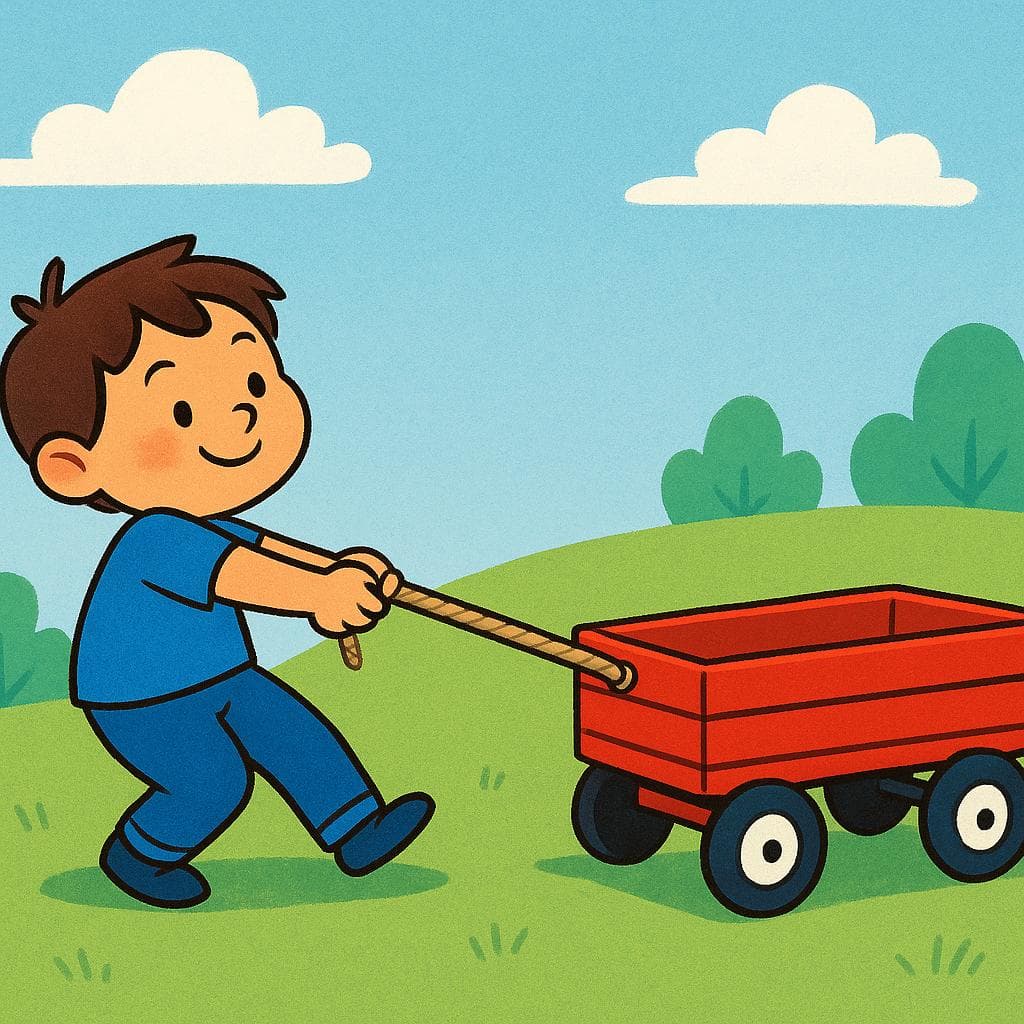
pull
Also: drag, haul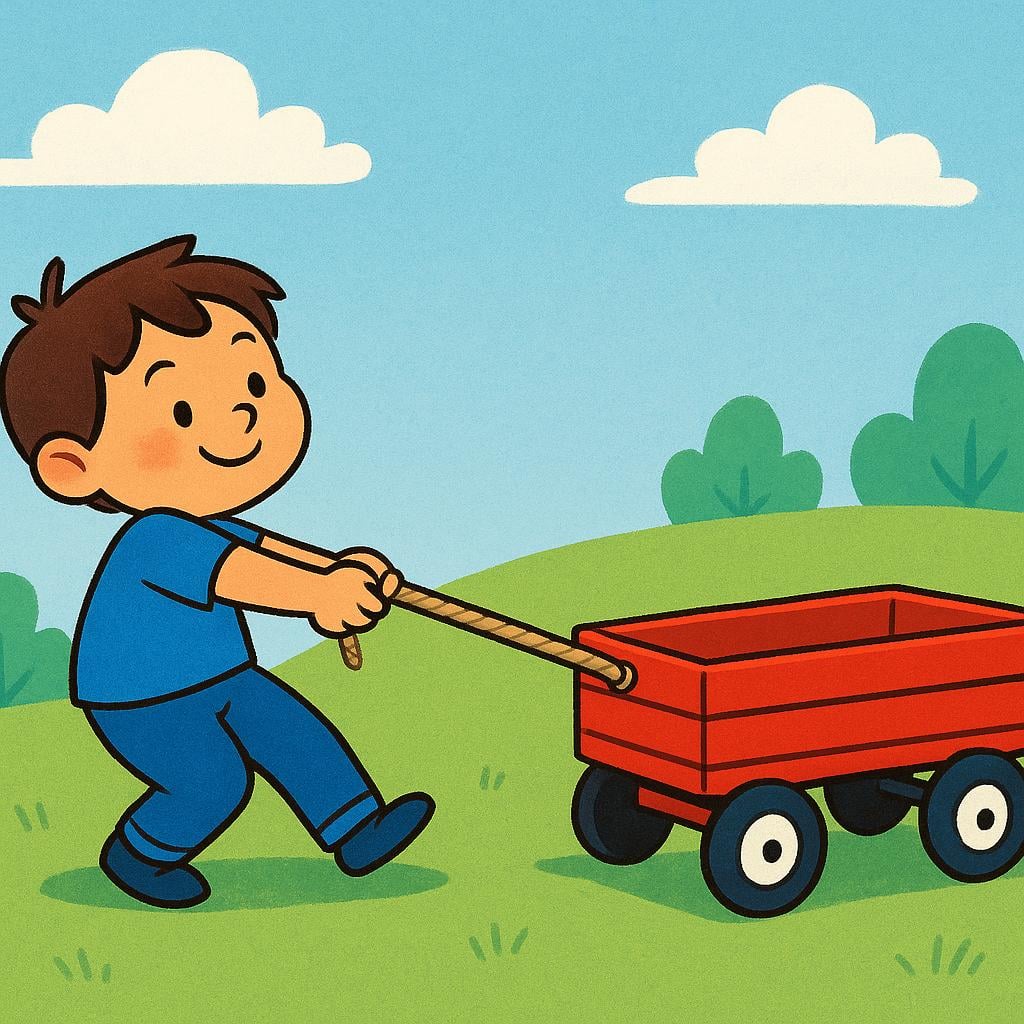
📝 In Action
Le pido que tire la cuerda con fuerza.
B2I ask that you (formal) pull the rope hard.
Si usted no tire de la manija, la puerta no abre.
B1If you don't pull the handle, the door won't open.
Indicative
Present
Imperfect
Preterite
Subjunctive
Present Subjunctive
Imperfect Subjunctive
Translate to Spanish
✏️ Quick Practice
Quick Quiz: tire
Question 1 of 2
Which sentence uses 'tire' as a formal command (telling someone politely to do something)?
📚 More Resources
👥 Word Family▼
🎵 Rhymes▼
📚 Etymology▼
Likely derived from an old, simple sound or root (*tirr-* or *terr-*) used to describe a sudden, quick motion, like a throw or a shot. Its exact origin is debated, but it has been used in Spanish since the Middle Ages.
First recorded: 13th century
Cognates (Related words)
💡 Master Spanish
Take your Spanish to the next level. Read 200+ illustrated and narrated Spanish stories tailored to your level with the Inklingo app!
Frequently Asked Questions
Why does 'tire' have so many different meanings?
The core verb *tirar* is very versatile. It covers any action involving force or quick movement, whether that force is used to push something away ('throw'), to pull something closer ('pull'), or simply to get rid of something ('throw away'). Context is key to figuring out which meaning is intended.
How do I know if 'tire' is a command or a statement?
If 'tire' is used alone or at the start of a sentence, it's usually the polite command ('Usted, throw!'). If it follows a word like *que* (e.g., *que yo tire* or *que él/ella tire*), it's the special form (subjunctive) used to talk about wishes, doubts, or requests.