teatro
“teatro” means “theater” in Spanish. It has 3 different meanings depending on context:


theater, theatre

📝 In Action
Esta noche vamos al teatro a ver una comedia.
A1Tonight we are going to the theater to see a comedy.
El teatro municipal es muy antiguo pero hermoso.
A2The municipal theater is very old but beautiful.
drama, the stage
Also: playwriting
📝 In Action
Estudió historia del teatro en la universidad.
B1He studied the history of drama/theatrical arts at the university.
El teatro clásico español es muy rico en personajes.
B2Classical Spanish drama is very rich in characters.
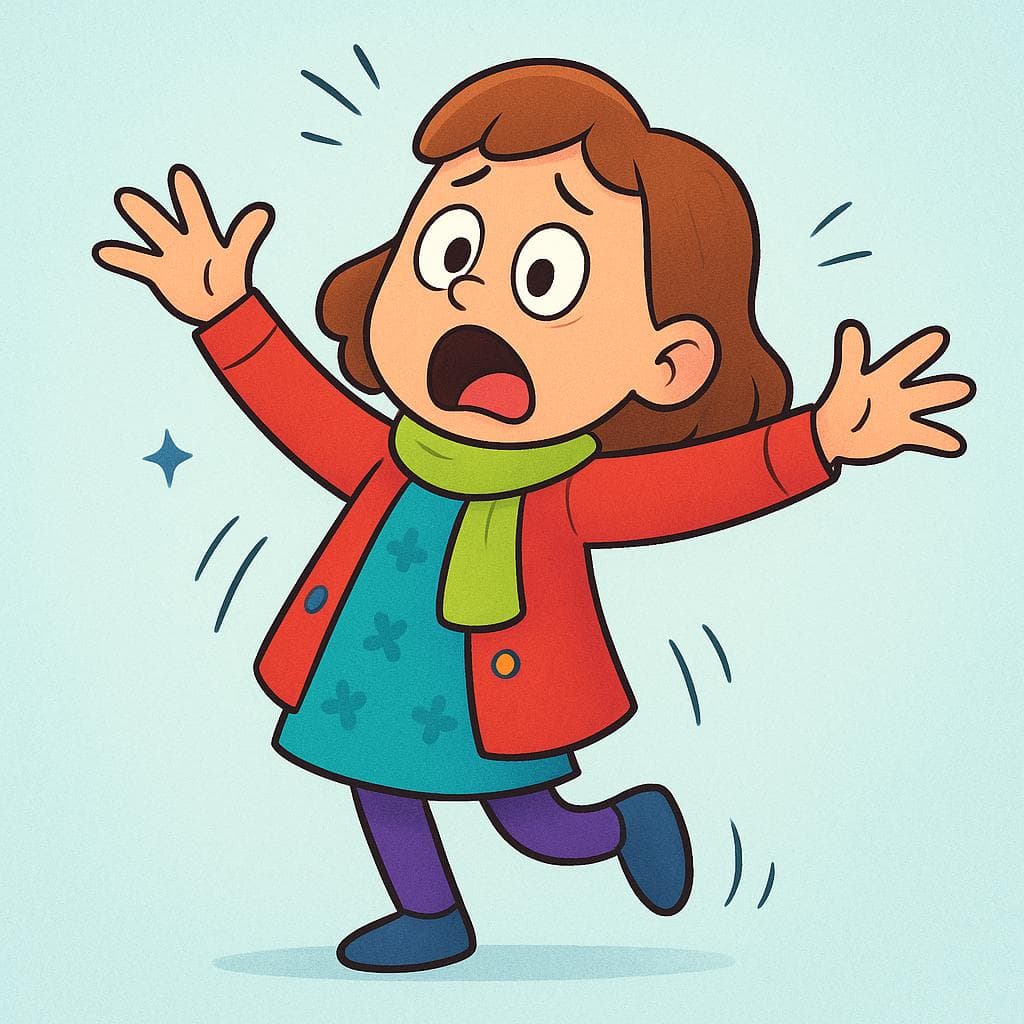
drama, show
Also: fuss
📝 In Action
Deja el teatro y dime qué pasó de verdad.
B2Stop the drama/show and tell me what really happened.
Su reacción fue puro teatro, no estaba realmente enfadada.
C1Her reaction was pure theater/acting; she wasn't actually angry.
Translate to Spanish
✏️ Quick Practice
Quick Quiz: teatro
Question 1 of 2
¿Cuál es el mejor significado para 'Deja el teatro y sé honesto'?
📚 More Resources
👥 Word Family▼
📚 Etymology▼
This word comes from the Latin term *theatrum*, which itself came from the ancient Greek word *theatron*. The original Greek meaning was 'a place for viewing,' specifically referring to the semicircular seating area where spectators watched performances.
First recorded: 13th century (in Spanish)
Cognates (Related words)
💡 Master Spanish
Take your Spanish to the next level. Read 200+ illustrated and narrated Spanish stories tailored to your level with the Inklingo app!
Frequently Asked Questions
What is the difference between 'teatro' and 'obra de teatro'?
'Teatro' is the building (the physical place) or the art form (the general idea of drama). 'Obra de teatro' specifically means 'a play'—the individual performance or script you go to see.
How do I say 'movie theater'?
While 'teatro' strictly means live performance theater, the word for a movie theater is usually 'cine' (cinema) or 'sala de cine.'