How to Say "show" in Spanish
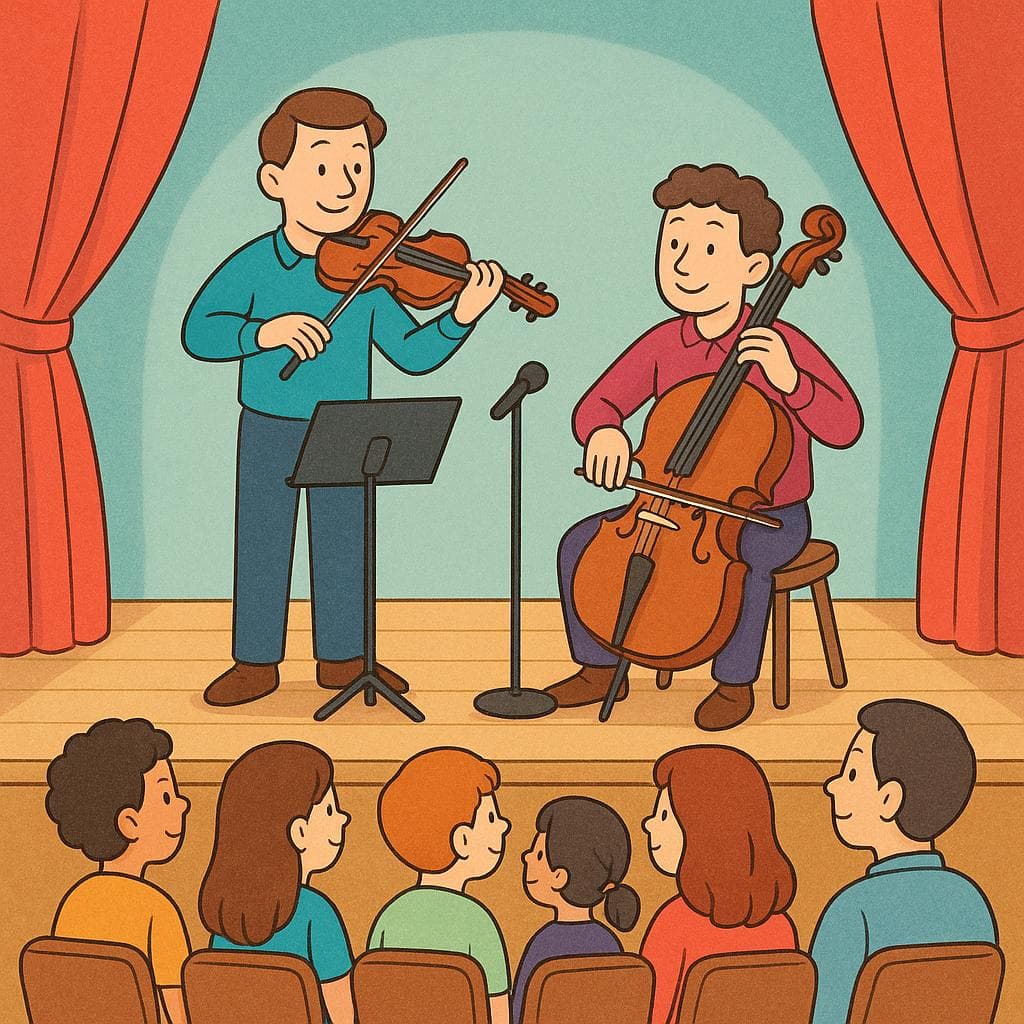
The most common Spanish word for “show” is “show” — use this word for a performance or exhibition, especially in informal contexts or when directly borrowing the English term.






show
shouʃoʊ

Examples
El show de magia fue increíble.
The magic show was incredible.
Vimos un show de luces en la plaza.
We saw a light show in the square.
Ese show de televisión es mi favorito.
That TV show is my favorite.
A Borrowed Word
This word is taken directly from English. Even though Spanish has its own words like 'espectáculo,' people use 'show' because it sounds modern and casual.
It's Masculine
Since it ends in a consonant and comes from English, it almost always uses 'el' (the) or 'un' (a).
Pluralizing 'show'
Mistake: “los showes”
Correction: los shows. Just add an 's' like in English, rather than follow the usual Spanish rule of adding 'es' to words ending in consonants.
concierto
kon-syér-tokonˈsjeɾto
Examples
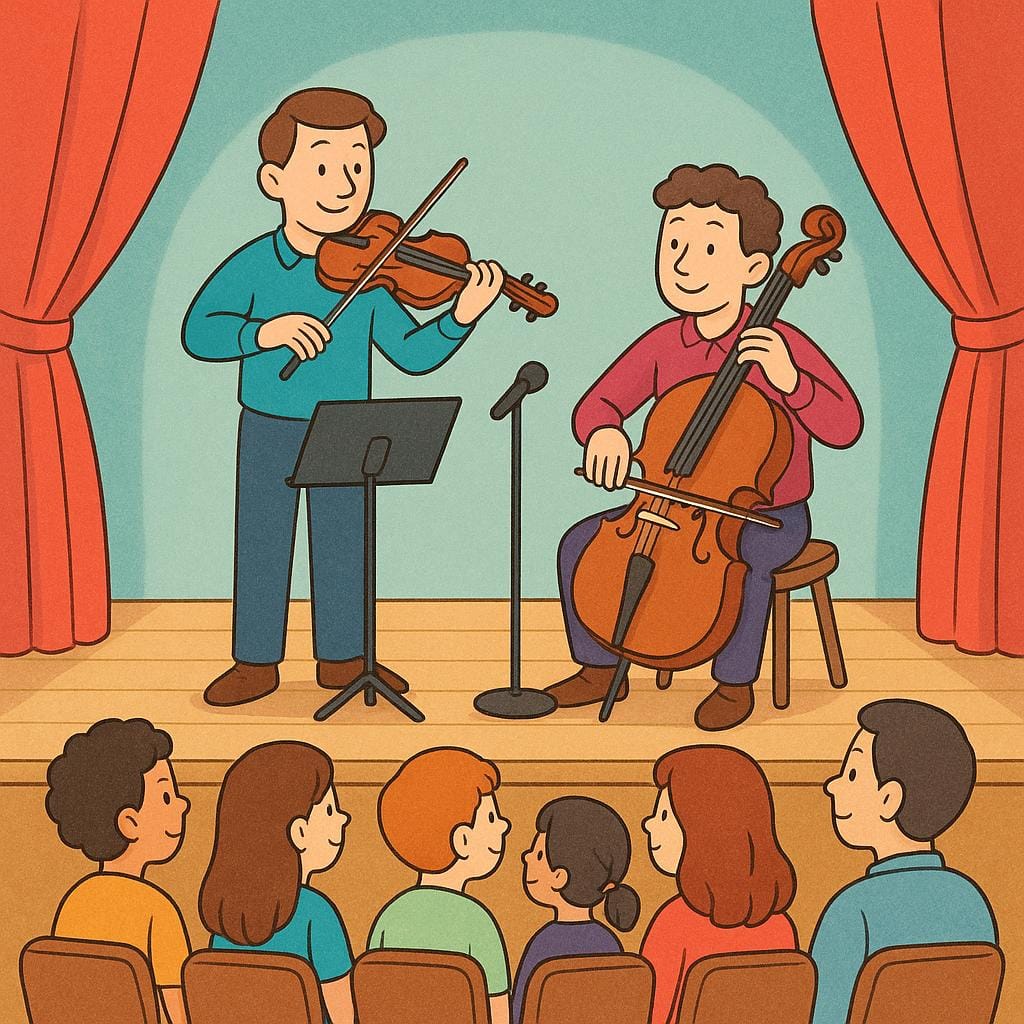
Fui a un concierto de rock anoche, fue increíble.
I went to a rock concert last night, it was incredible.
¿A qué hora empieza el concierto de la orquesta sinfónica?
What time does the symphony orchestra concert start?
Compramos entradas para el concierto benéfico del sábado.
We bought tickets for the benefit concert on Saturday.
Gender Check
Remember that 'concierto' is always a masculine word, so you must use 'el concierto' or 'un concierto' when talking about it.
espectáculo
Examples
El espectáculo de circo fue increíble, especialmente los acróbatas.
The circus show was incredible, especially the acrobats.
exhibición
Examples
La exhibición de arte comienza a las ocho.
The art exhibition starts at eight.
exposición
Examples
La nueva exposición de arte moderno es espectacular.
The new modern art exhibition is spectacular.
enseñe
Examples
Por favor, enseñe su pasaporte al oficial.
Please, show your passport to the officer.
muestre
MWES-trehˈmwestɾe

Examples
Por favor, muestre su identificación.
Please, show your identification.
Espero que la empresa muestre mejores resultados.
I hope the company shows better results.
No creo que él me muestre la verdad.
I don't believe he will show me the truth.
The 'O' to 'UE' Change
This word comes from 'mostrar'. In many forms, the 'o' changes to 'ue' when it is the part of the word we emphasize most while speaking.
Using 'Muestre' for Commands
Use 'muestre' when you are politely telling someone (using 'usted') to show you something, like a ticket or a passport.
Don't Forget the 'UE'
Mistake: “Espero que él mostre el camino.”
Correction: Say 'muestre' instead. Many people forget that the 'o' in 'mostrar' must change to 'ue' in this form.
transmisión
Examples
La transmisión del partido de fútbol duró dos horas.
The broadcast of the soccer game lasted two hours.
serie
SEH-ree-ehˈse.ɾje

Examples
¿Viste la nueva serie de ciencia ficción?
Did you see the new science fiction series?
Mi serie favorita tiene diez episodios por temporada.
My favorite show has ten episodes per season.
Queremos hacer un maratón de la serie este fin de semana.
We want to binge-watch the show this weekend.
Always Feminine
Remember that 'serie' is always feminine, so you must use 'la serie' or 'una serie' even though it ends in '-e'.
Gender confusion
Mistake: “El serie es muy larga.”
Correction: La serie es muy larga. (Always use the feminine article 'la'.)
actuación
Examples
La actuación de la bailarina fue la mejor parte del festival.
The dancer's performance was the best part of the festival.
evidencia
eh-vee-DEHN-seeaheβiˈðenθja

Examples
Su comportamiento evidencia que está nervioso.
His behavior shows (evidences) that he is nervous.
El informe evidencia la necesidad de un cambio.
The report highlights the need for a change.
¡Evidencia tu conocimiento en el examen!
Show your knowledge on the exam! (Tú imperative)
Regular -AR Verb
'Evidenciar' is a very straightforward verb. It follows the standard pattern for all -AR verbs, which makes its conjugations easy to learn once you know the basic endings.
The Entry Word as a Verb
The word 'evidencia' is the form used for 'he/she/it does' or for the affirmative command 'you (tú) do,' meaning 'show' or 'make clear.'
función
Examples
Fuimos a la última función del cine a las diez de la noche.
We went to the last movie screening at ten o'clock at night.
producción
Examples
Vimos una producción teatral moderna en el centro.
We saw a modern theatrical production downtown.
aparato
ah-pah-RAH-toha.paˈɾa.to

Examples
Montaron un gran aparato para la visita del presidente.
They put on a big show (or display of resources) for the president's visit.
No me gusta el aparato que hace cuando tiene que hablar en público.
I don't like the fuss/show he makes when he has to speak in public.
Figurative Use
This meaning usually implies that the effort or complexity involved is unnecessary or overly theatrical. It's often used with verbs like 'montar' (to set up/mount).
teatro
teh-AH-trohteˈatɾo

Examples
Deja el teatro y dime qué pasó de verdad.
Stop the drama/show and tell me what really happened.
Su reacción fue puro teatro, no estaba realmente enfadada.
Her reaction was pure theater/acting; she wasn't actually angry.
Show vs. Performance vs. Display
Related Translations
Learn Spanish with Inklingo
Interactive stories, personalized learning, and more.